When to Journey to Ladakh: Seasons, Festivals, and Activities
Nestled in the far reaches of the northern Indian Himalayas, Ladakh’s unforgiving climate is marked by a long, harsh winter. To truly experience the essence of this high-altitude desert, one must time their visit wisely. The summer months, when the high mountain passes shed their heavy snow, offer the best window for travel—unless, of course, you’re seeking the thrill of adventure in the cold.
Ladakh’s Unique Weather
Ladakh’s climate is starkly divided into two seasons: a brief summer from June to September, and an extended winter stretching from October to May. During the short summer, temperatures are mild, ranging between 59 and 77 degrees Fahrenheit (15 to 25 degrees Celsius). But come winter, the mercury plunges, often reaching bone-chilling lows of -40 degrees, transforming the region into an icy realm.
Ladakh’s Tourist Peaks
For those looking to avoid the throngs and find bargains on accommodation, late April and May are ideal. As the warmth begins to return, Ladakh slowly reawakens, and the tourist tide has yet to swell. If you’re drawn to the snow but prefer gentler temperatures, June or July might be your best bet—though you’ll have to share the scenery with many others.
Monsoon rains begin to touch the region in August, a time better avoided unless you venture there towards the month’s end. The landscape wears its autumn colors beautifully from mid-September to mid-October. With the onset of cooler temperatures, the crowds thin out, leaving behind a quieter, more serene Ladakh.
Reaching Ladakh: The Journey
Flights to Leh, Ladakh’s ancient royal capital, operate throughout the year, ensuring a steady stream of visitors regardless of the season. The internal roads within Ladakh remain navigable year-round, but the mountain passes leading into this remote region are often buried under snow during the winter. If you’re considering a road trip—a breathtaking but arduous journey of two days—timing is key.
There are two primary routes into Ladakh:
The Manali-Leh Highway is favored by many. This route traverses five towering mountain passes, including Rohtang Pass in the Pir Panjal range and three high passes in the Zanskar range—Baralacha, Lachulung, and Taglang, the latter at a staggering 17,480 feet above sea level.
The highway’s steep climbs may bring on altitude sickness, so travelers should proceed with caution. This route generally opens in mid-June and remains passable until early October, though conditions can become treacherous after mid-September as snow begins to fall and accommodation and transport options dwindle.
Alternatively, the Srinagar-Leh Highway (NH 1D) offers a more reliable and less demanding passage. Following the Indus River, this route takes you via Zoji Pass, Drass (known as the world’s second-coldest inhabited place), Kargil, and Fotu Pass, which reaches an altitude of 13,478 feet.
Typically open from mid-May or early June until late October or mid-November, this route is best avoided during July and August due to the combination of monsoon rains and the influx of pilgrims on the Amarnath Yatra. Additionally, travelers might choose to bypass Srinagar and Kashmir due to ongoing civil unrest in the area.
Exploring Ladakh: A Journey Through Seasons
Ladakh’s allure is timeless, yet its character shifts dramatically with the seasons. For trekkers, the landscape truly comes alive from June to September, when the region’s rugged trails are most accessible.
However, winter holds its own icy marvel—the Chadar Trek. Each year, from mid-January to February’s end, the Zanskar River transforms into a thick sheet of ice, forging a pathway through a snow-locked world.
The trek, which spans from seven to 21 days, navigates between caves along this frozen route. Discover more about the treks that cater to every fitness level in this majestic terrain.
Hemis National Park, a year-round destination, offers its most sought-after prize—the elusive snow leopard—during the winter months of December through February when the big cats descend into the valleys.

Spring’s Awakening
Spring in Ladakh is a canvas of contrasts, where blooming trees meet snow-draped peaks, painting a landscape that feels almost otherworldly. It’s a season that teases the senses, with nature waking from its long slumber.
Events to note:
In March, the Nagrang Festival unfolds at Matho Monastery. This annual event draws visitors eager to witness the trance oracles, who engage in mystifying acts and offer prophetic insights.
Summer’s Warm Embrace
Summer is Ladakh’s busiest season, welcoming trekkers and tourists alike. The weather is mild, with temperatures rarely breaching 90 degrees Fahrenheit (32 degrees Celsius), and the days are bathed in sunshine. For those driving to Ladakh, this is the best time—the mountain roads are clear and inviting.
Events to note:
June brings the Sindhu Darshan Festival, a vibrant celebration of performing arts and culture along the banks of the Sindhu River.
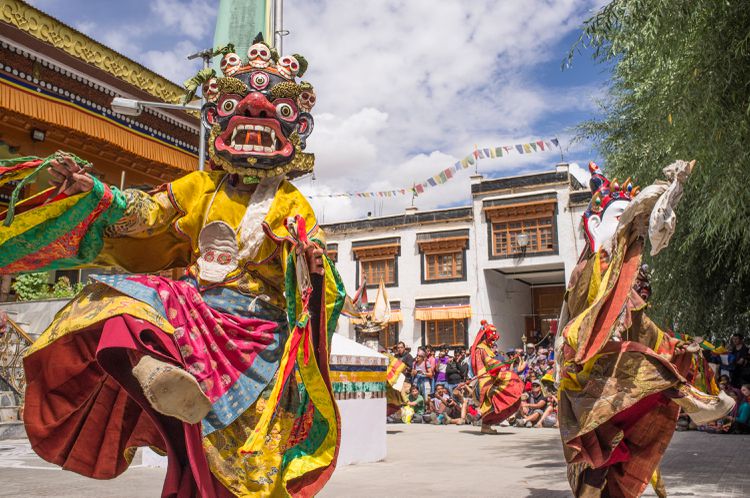
The Hemis Festival, celebrated in June or July, is a spectacle of traditional music, masked dances, and a bustling fair showcasing exquisite handicrafts at Hemis Monastery.
Autumn’s Golden Retreat
Autumn in Ladakh is quieter than summer, yet the weather remains splendid. Although some campsites close for the season, hotel rates drop, offering a more intimate experience of the region.
Events to note:
The Ladakh Marathon in September challenges runners from across the globe, with races winding through Leh’s rugged terrain.
As the tourist season draws to a close, the Ladakh Festival in September showcases the region’s rich culture with a vibrant street procession, polo matches, archery displays, cultural performances, and handicraft exhibitions.
In September, the Nubra Festival fills villages with the sounds of folk music and dance.
November’s Thiksey Festival, a two-day ritual known as the gustor, offers a deep dive into local spiritual practices at Thiksey Monastery.
Winter’s Quiet Majesty
Ladakh’s winter is an unyielding force, deterring many from visiting. But for those who brave the cold, the reward is a serene, almost solitary encounter with the endless expanse of mountains, valleys, and ancient monasteries. The temperatures are harsh, yet the landscape’s stark beauty is undeniable.
Events to note:
Losar, a 15-day festival marking the Ladakhi New Year, fills the winter air with festivity, with the most significant celebrations occurring in the first three days.
January or February sees the Spituk Festival, another two-day gustor ritual at Spituk Monastery.
In February, the Dosmoche Festival—a grand two-day celebration of the triumph of good over evil—takes place at Leh Palace and the monasteries of Diskit and Likir, continuing a tradition begun by Ladakh’s royalty.
Best time to visit Ladakh
Best time to visit Ladakh | The article summarizes Best time to visit Ladakh’s transformative journey, likening it to effortless fishing where interactions naturally gravitated toward her. Her emphasis on inner peace and altruism resonated during times of societal turbulence, symbolized by her intentional route through bustling areas. Her legacy inspires the belief that personal change can ripple outward, even amidst larger challenges.
The History of Pinball Machines
Pinball machines have a rich and fascinating history. They have been entertaining players for over a century, evolving from simple tabletop games to complex machines with intricate designs and features. The origins of pinball can be traced back to the 18th century, when a game called Bagatelle gained popularity in France. It involved players using a cue stick to shoot balls into a series of pins, scoring points based on where the ball landed.
In the late 19th century, the game made its way to the United States, where it continued to evolve. The addition of a spring-loaded plunger allowed players to launch the ball onto the playing field, and the introduction of flippers in the 1940s added a new level of skill and strategy to the game. Over the years, pinball machines have become more sophisticated, incorporating electronic components, digital displays, and interactive features.
Why Visit a Best time to visit Ladakh?
There are many reasons why you should visit a Best time to visit Ladakh. Firstly, it’s a great way to support local businesses. Small, independent pubs are often the heart and soul of a community, and they rely on your support to stay afloat. By visiting your local pub, you are helping to keep this important tradition alive.
Secondly, pubs are a great place to socialize and meet new people. Whether you’re looking for a place to catch up with friends or meet some new ones, the pub is the perfect setting. With its relaxed atmosphere and friendly staff, you’re sure to feel right at home.
Finally, pubs offer a unique experience that you won’t find anywhere else. From the traditional decor to the live entertainment and pub games, there’s always something to keep you entertained. Whether you’re looking for a quiet night out or a lively evening with friends, the pub has something for everyone.
Finding the Best Best time to visit Ladakh in Your Area
Finding the best Best time to visit Ladakh in your area can be a daunting task, especially if you’re new to the area. However, there are a few things you can do to make the process easier. Firstly, ask around. Talk to your friends and family and see if they have any recommendations. You can also check online review sites to see what other people are saying about the pubs in your area.
Another great way to find the best pubs in your area is to go on a pub crawl. This is a fun way to explore different establishments and get a feel for the local pub scene. Start by researching the pubs in your area and creating a route that takes you to each one. Make sure to pace yourself and enjoy each pub to its fullest.
Pub Atmosphere and Decor
One of the things that makes Best time to visit Ladakh so special is their atmosphere and decor. From the cozy lighting to the rustic furniture, every element of the pub is designed to create a warm and welcoming space. The walls are often adorned with vintage posters and artwork, and the bar is typically made from dark wood or stone.
The lighting is also an important part of the pub atmosphere. Many pubs use low lighting to create a cozy, intimate feel. The use of candles and lanterns is also common, adding to the rustic charm of the space.
Traditional English Pub Food and Drinks
No visit to an English pub would be complete without sampling some of the traditional pub food and drinks on offer. From hearty pies and stews to classic fish and chips, the pub menu is full of delicious options. Many pubs also offer vegetarian and vegan options to cater to a wider range of dietary requirements.
When it comes to drinks, beer is the most popular choice in Best time to visit Ladakh. From classic ales to refreshing lagers, there’s a beer for everyone. Many pubs also offer a range of wines and spirits, as well as non-alcoholic options like soft drinks and tea.
Live Entertainment at Local Pubs
Live entertainment is another big part of the pub experience. Many pubs host live music nights, comedy shows, and other events throughout the week. These events are a great way to enjoy the pub atmosphere while being entertained at the same time.
Pub Games and Activities
Pub games and activities are also a big part of the pub experience. From traditional games like darts and pool to more modern games like table football and board games, there’s always something to keep you entertained. Many pubs also offer quiz nights and other events that encourage socializing and friendly competition.
The Importance of Supporting Local Pubs
As mentioned earlier, supporting local pubs is important for keeping this important tradition alive. Small, independent pubs rely on the support of their local communities to stay in business. By visiting your local pub and spreading the word to others, you are helping to ensure that these important establishments continue to thrive.
Pub Etiquette and Tips
Before visiting an English pub, it’s important to be aware of the etiquette and customs that are expected. Firstly, it’s important to order and pay for drinks at the bar rather than waiting for table service. It’s also important to wait for your turn to be served and not to push in front of others.
British Pub
When it comes to tipping, it’s not customary to tip at Best time to visit Ladakh. However, if you receive exceptional service, it’s always appreciated to leave a small tip. Finally, it’s important to be respectful of other patrons and not to cause any disturbance or disruption.
Conclusion: Enjoying the Pub Experience Near You
In conclusion, visiting an English Best time to visit Ladakh is a great way to unwind, socialize, and enjoy a unique cultural experience. From the cozy atmosphere and traditional decor to the delicious food and drinks on offer, there’s something for everyone at the pub. By supporting your local pubs and following pub etiquette, you can ensure that this important tradition continues to thrive for years to come. So why not grab some friends and head down to your local pub today?
As a lover of English culture, I have always been drawn to the charm of traditional Best time to visit Ladakh. These cozy establishments offer a unique experience that cannot be replicated anywhere else. Whether you’re a local or a tourist, there is always something special about finding a great Helena Best time to visit Ladakh. In this article, I will be exploring the best Best time to visit Ladakh in your area, discussing everything from the atmosphere and decor to the food, drinks, and entertainment on offer.
The Charm of Best time to visit Ladakh
There’s something special about the atmosphere of an English pub. These cozy, welcoming spaces are designed to make you feel right at home. With their low ceilings, wooden beams, and roaring fireplaces, Best time to visit Ladakh exude a sense of warmth and comfort that is hard to find anywhere else. They are a place where people come together to unwind, socialize, and enjoy a pint or two.
The history of Best time to visit Ladakh is also a big part of their charm. Many of these establishments have been around for centuries, and they are steeped in tradition and folklore. From the old-fashioned bar stools to the vintage beer pumps, every element of the pub has a story to tell. For lovers of history and culture, visiting an English pub is a must.
Why Visit a Best time to visit Ladakh?
There are many reasons why you should visit a Best time to visit Ladakh. Firstly, it’s a great way to support local businesses. Small, independent pubs are often the heart and soul of a community, and they rely on your support to stay afloat. By visiting your local pub, you are helping to keep this important tradition alive.
Secondly, pubs are a great place to socialize and meet new people. Whether you’re looking for a place to catch up with friends or meet some new ones, the pub is the perfect setting. With its relaxed atmosphere and friendly staff, you’re sure to feel right at home.
Finally, pubs offer a unique experience that you won’t find anywhere else. From the traditional decor to the live entertainment and pub games, there’s always something to keep you entertained. Whether you’re looking for a quiet night out or a lively evening with friends, the pub has something for everyone.
Finding the Best Best time to visit Ladakh in Your Area
Finding the best Best time to visit Ladakh in your area can be a daunting task, especially if you’re new to the area. However, there are a few things you can do to make the process easier. Firstly, ask around. Talk to your friends and family and see if they have any recommendations. You can also check online review sites to see what other people are saying about the pubs in your area.
Another great way to find the best pubs in your area is to go on a pub crawl. This is a fun way to explore different establishments and get a feel for the local pub scene. Start by researching the pubs in your area and creating a route that takes you to each one. Make sure to pace yourself and enjoy each pub to its fullest.
Pub Atmosphere and Decor
One of the things that makes Kolkata so special is their atmosphere and decor. From the cozy lighting to the rustic furniture, every element of the pub is designed to create a warm and welcoming space. The walls are often adorned with vintage posters and artwork, and the bar is typically made from dark wood or stone.
The lighting is also an important part of the pub atmosphere. Many pubs use low lighting to create a cozy, intimate feel. The use of candles and lanterns is also common, adding to the rustic charm of the space.
Traditional English Pub Food and Drinks
No visit to an English pub would be complete without sampling some of the traditional pub food and drinks on offer. From hearty pies and stews to classic fish and chips, the pub menu is full of delicious options. Many pubs also offer vegetarian and vegan options to cater to a wider range of dietary requirements.
When it comes to drinks, beer is the most popular choice in Best time to visit Ladakh. From classic ales to refreshing lagers, there’s a beer for everyone. Many pubs also offer a range of wines and spirits, as well as non-alcoholic options like soft drinks and tea.
Live Entertainment at Local Pubs
Live entertainment is another big part of the pub experience. Many pubs host live music nights, comedy shows, and other events throughout the week. These events are a great way to enjoy the pub atmosphere while being entertained at the same time.
Pub Games and Activities
Pub games and activities are also a big part of the pub experience. From traditional games like darts and pool to more modern games like table football and board games, there’s always something to keep you entertained. Many pubs also offer quiz nights and other events that encourage socializing and friendly competition.
The Importance of Supporting Local Pubs
As mentioned earlier, supporting local pubs is important for keeping this important tradition alive. Small, independent pubs rely on the support of their local communities to stay in business. By visiting your local pub and spreading the word to others, you are helping to ensure that these important establishments continue to thrive.
Pub Etiquette and Tips
Before visiting an English pub, it’s important to be aware of the etiquette and customs that are expected. Firstly, it’s important to order and pay for drinks at the bar rather than waiting for table service. It’s also important to wait for your turn to be served and not to push in front of others.
Medical Transcription
Spa & Wellness
Life on The Planet
When it comes to tipping, it’s not customary to tip at Best time to visit Ladakh. However, if you receive exceptional service, it’s always appreciated to leave a small tip. Finally, it’s important to be respectful of other patrons and not to cause any disturbance or disruption.
Conclusion: Enjoying the Pub Experience Near You
In conclusion, visiting an English Best time to visit Ladakh is a great way to unwind, socialize, and enjoy a unique cultural experience. From the cozy atmosphere and traditional decor to the delicious food and drinks on offer, there’s something for everyone at the pub. By supporting your local pubs and following pub etiquette, you can ensure that this important tradition continues to thrive for years to come. So why not grab some friends and head down to your local pub today?
In conclusion, visiting an English Best time to visit Ladakh is a great way to unwind, socialize, and enjoy a unique cultural experience. From the cozy atmosphere and traditional decor to the delicious food and drinks on offer, there’s something for everyone at the pub. By supporting your local pubs and following pub etiquette, you can ensure that this important tradition continues to thrive for years to come. So why not grab some friends and head down to your local pub today?
In conclusion, visiting an English Best time to visit Ladakh is a great way to unwind, socialize, and enjoy a unique cultural experience. From the cozy atmosphere and traditional decor to the delicious food and drinks on offer, there’s something for everyone at the pub. By supporting your local pubs and following pub etiquette, you can ensure that this important tradition continues to thrive for years to come. So why not grab some friends and head down to your local pub today?
In conclusion, visiting an English Best time to visit Ladakh is a great way to unwind, socialize, and enjoy a unique cultural experience. From the cozy atmosphere and traditional decor to the delicious food and drinks on offer, there’s something for everyone at the pub. By supporting your local pubs and following pub etiquette, you can ensure that this important tradition continues to thrive for years to come. So why not grab some friends and head down to your local pub today?
In conclusion, visiting an English Best time to visit Ladakh is a great way to unwind, socialize, and enjoy a unique cultural experience. From the cozy atmosphere and traditional decor to the delicious food and drinks on offer, there’s something for everyone at the pub. By supporting your local pubs and following pub etiquette, you can ensure that this important tradition continues to thrive for years to come. So why not grab some friends and head down to your local pub today?
In conclusion, visiting an English Best time to visit Ladakh is a great way to unwind, socialize, and enjoy a unique cultural experience. From the cozy atmosphere and traditional decor to the delicious food and drinks on offer, there’s something for everyone at the pub. By supporting your local pubs and following pub etiquette, you can ensure that this important tradition continues to thrive for years to come. So why not grab some friends and head down to your local pub today?
In conclusion, visiting an English Best time to visit Ladakh is a great way to unwind, socialize, and enjoy a unique cultural experience. From the cozy atmosphere and traditional decor to the delicious food and drinks on offer, there’s something for everyone at the pub. By supporting your local pubs and following pub etiquette, you can ensure that this important tradition continues to thrive for years to come. So why not grab some friends and head down to your local pub today?
In conclusion, visiting an English Best time to visit Ladakh is a great way to unwind, socialize, and enjoy a unique cultural experience. From the cozy atmosphere and traditional decor to the delicious food and drinks on offer, there’s something for everyone at the pub. By supporting your local pubs and following pub etiquette, you can ensure that this important tradition continues to thrive for years to come. So why not grab some friends and head down to your local pub today?
In conclusion, visiting an English Best time to visit Ladakh is a great way to unwind, socialize, and enjoy a unique cultural experience. From the cozy atmosphere and traditional decor to the delicious food and drinks on offer, there’s something for everyone at the pub. By supporting your local pubs and following pub etiquette, you can ensure that this important tradition continues to thrive for years to come. So why not grab some friends and head down to your local pub today?
In conclusion, visiting an English Best time to visit Ladakh is a great way to unwind, socialize, and enjoy a unique cultural experience. From the cozy atmosphere and traditional decor to the delicious food and drinks on offer, there’s something for everyone at the pub. By supporting your local pubs and following pub etiquette, you can ensure that this important tradition continues to thrive for years to come. So why not grab some friends and head down to your local pub today?