
- Introduction
- History and Significance of Buddha Purnima
- Celebration of Buddha Purnima in Ladakh
- Cultural Highlights of Ladakh Celebrations
- Teachings of Lord Buddha
- Saka Dawa: A Global Celebration
- Environmental and Social Initiatives
- Testimonials from Visitors
- Q&A Section
Buddha Purnima Festival Ladakh: A Celebration of Enlightenment
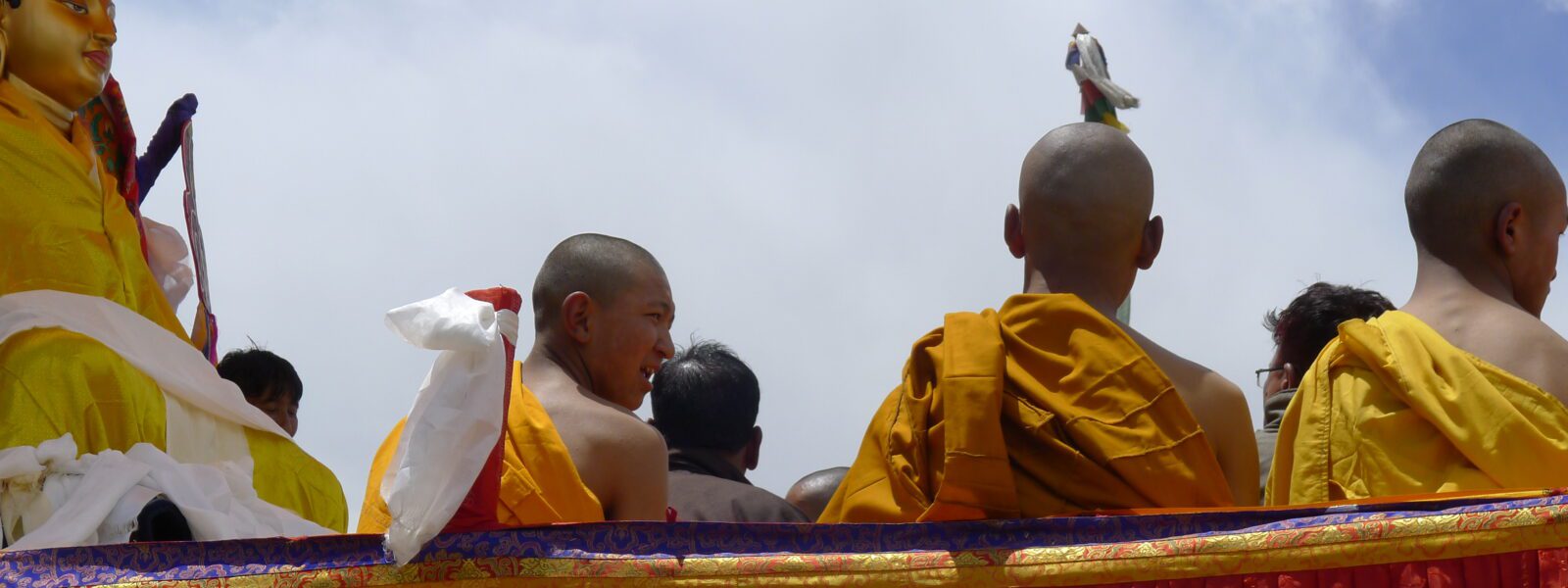
The Buddha Purnima Festival is one of the most revered and widely celebrated occasions in Ladakh, marking the birth, enlightenment, and Mahaparinirvana of Lord Gautama Buddha. Held annually in May, this festival brings together locals, monks, and tourists in a grand celebration of peace, spirituality, and devotion. Ladakh transforms into a vibrant hub of cultural and religious activities during this auspicious period, attracting spiritual seekers and cultural enthusiasts alike.
History and Significance of Buddha Purnima
Buddha Purnima, also known as Vesak Day or Saka Dawa, commemorates three major milestones in Lord Buddha’s life: his birth in Lumbini, enlightenment under the Bodhi tree, and attainment of Mahaparinirvana. This festival, deeply rooted in Buddhist tradition, is a symbol of Lord Buddha’s teachings on compassion, wisdom, and non-violence. It serves as a reminder of the timeless principles that guide millions of Buddhists worldwide.
The Legacy of Lord Buddha
Lord Buddha, born as Siddhartha Gautama in Lumbini (present-day Nepal), was a spiritual teacher whose teachings formed the foundation of Buddhism. His life’s journey—from a prince shielded from suffering to a seeker of truth—is a testament to his dedication to understanding and overcoming human suffering. His insights, encapsulated in the Four Noble Truths and the Noble Eightfold Path, remain a source of inspiration and guidance for individuals striving for inner peace and harmony.
Celebration of Buddha Purnima in Ladakh
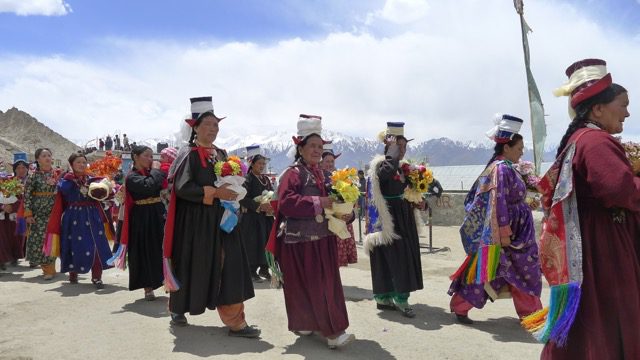
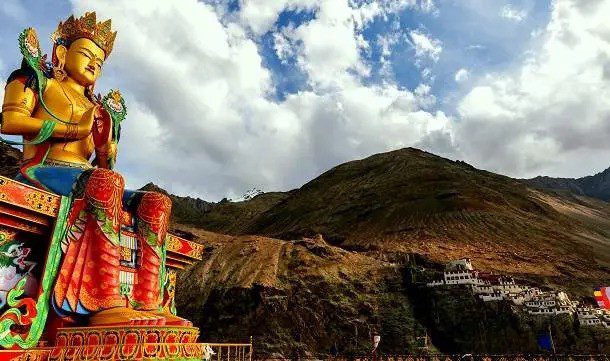
Ladakh’s unique cultural and spiritual heritage shines brightly during the Buddha Purnima Festival. Various monasteries, associations, and communities organize grand events that attract participants from across the globe. The serene landscape of Ladakh provides a perfect backdrop for this deeply spiritual festival.
Religious Processions and Community Participation
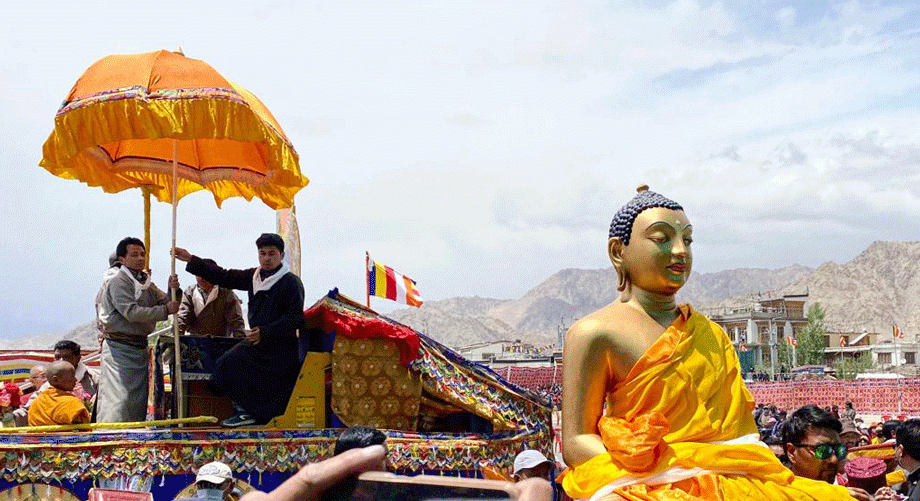
The festivities commence with a large religious procession, starting from the Ladakh Buddhist Association Secretariat and culminating at the historic Polo Ground in Leh. Devotees carry sacred texts, vibrant thangkas, and statues of Lord Buddha, creating a mesmerizing sight that reflects the unity and devotion of the people.
Monastic Performances and Cultural Programs
Monks perform sacred mask dances (Chhams) and school children present cultural performances that showcase the rich traditions of Ladakh. These performances are not only visually stunning but also carry profound spiritual significance, offering glimpses into the region’s deep-rooted Buddhist culture.
Temple Visits and Offerings
Temples are adorned with flowers and flags, drawing devotees to offer alms, meditate, and recite prayers. The teachings of Lord Buddha are shared widely, emphasizing the values of compassion, kindness, and selflessness. Many attendees partake in collective meditation sessions, finding solace in the serene atmosphere.
Cultural Highlights of Ladakh Celebrations
The Buddha Purnima celebrations in Ladakh are marked by vibrant cultural and artistic expressions that reflect the region’s unique heritage. These include:
- Chhams Performances: Traditional masked dances performed by monks symbolize the triumph of good over evil.
- Tableaus: Artistic depictions of Buddha’s life events, including his birth and first sermon, bring his teachings to life.
- Community Feasts: Locals and visitors come together to share meals, fostering a sense of unity and goodwill.
Teachings of Lord Buddha
Lord Buddha’s teachings hold immense relevance in today’s world, offering guidance for leading a life of peace and harmony. His principles are rooted in understanding the causes of suffering and overcoming them.
The Noble Eightfold Path
- Right Belief
- Right Intention
- Right Speech
- Right Action
- Right Livelihood
- Right Effort
- Right Mindfulness
- Right Concentration
Compassion and Non-Violence
One of the key teachings of Lord Buddha is the practice of Ahimsa (non-violence) and compassion towards all living beings. These teachings inspire individuals and communities to work towards global harmony and mutual respect.
Saka Dawa: A Global Celebration
While Buddha Purnima is celebrated globally, it takes on unique forms in different countries. For example:
- In Burma, devotees water Bodhi trees as a mark of respect for Buddha’s enlightenment.
- Sri Lankan Buddhists light oil lamps and decorate their homes with bamboo stars.
- In Gangtok, monks carry sacred scriptures in grand processions, creating a spiritual ambiance.
Environmental and Social Initiatives
Buddha Purnima in Ladakh is not only a spiritual celebration but also an occasion for promoting environmental and social awareness. Activities include:
- Freeing Birds: Symbolizing liberation and compassion.
- Community Service: Offering food, clothing, and other essentials to those in need.
- Environmental Cleanup Drives: Volunteers work to keep the surroundings pristine, reflecting Buddhist values of respect for nature.
Testimonials from Visitors
“Visiting Ladakh during Buddha Purnima was a transformative experience. The serene atmosphere, vibrant celebrations, and the warmth of the locals left an indelible mark on my heart.” – Emily Johnson, Teacher from Canada
Q&A Section
Q: What is the significance of Buddha Purnima?
A: Buddha Purnima commemorates the birth, enlightenment, and Mahaparinirvana of Lord Buddha. It is a time to reflect on his teachings and practice compassion and kindness.
Q: How is Buddha Purnima celebrated in Ladakh?
A: Ladakh celebrates Buddha Purnima with religious processions, cultural performances, temple visits, and community prayers, making it a vibrant and spiritual event.
Q: What are the key teachings of Lord Buddha?
A: Lord Buddha’s key teachings include the Four Noble Truths and the Noble Eightfold Path, emphasizing wisdom, compassion, and non-violence.
Q: When is Buddha Purnima celebrated?
A: Buddha Purnima is celebrated annually in May, depending on the lunar calendar.
Q: Can tourists participate in the celebrations?
A: Yes, tourists are welcome to participate in the celebrations, making it a unique cultural experience.