
Trans-Himalaya Adventure: The Astonishing Bicycle and Ski Traverse by Swiss Adventurers – An Epic Journey Through the Winter Himalayas
Trans-Himalaya
Companions of the Cold
Two Swiss adventurers are attempting to cross the Himalayas by bicycle, on foot, and on skis. The challenges begin once the cycling part is over.
To the Horizon and Beyond
All efforts are rewarded for such dreamlike scenery.
“The winter in the Himalayas is a completely different caliber,” says Claude Balsiger as he burrows deeper into his sleeping bag. He is a Swiss bike adventurer who knows the highest mountain range in the world in summer. He spends one to several months there every year. Once, he pedaled up to an altitude of 6175 meters, setting a world record. But that was all in summer.
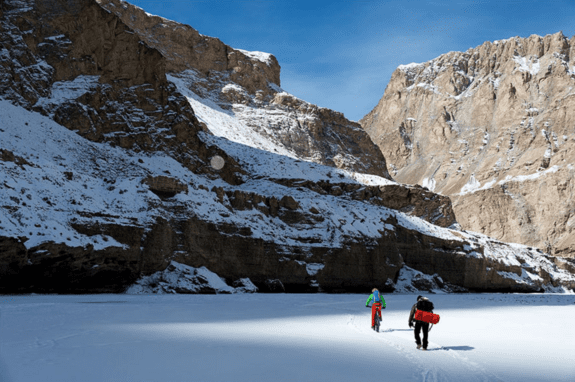
Now, he groans in the cold. The night temperatures drop to minus 20 degrees. In the morning, he gets on his bike and sets off. His path is the frozen Zanskar River. He is accompanied by local guide Tundup, porters, a cook, and his fellow Swiss, Thomas Wesp (a mountain guide trainee) and photographer Martin Bissig. Tundup checks the ice with a wooden stick and gives Claude the OK. The ice is often more than a meter thick but sometimes only a few centimeters. Water sometimes bursts through the ice.
Excitement arrives with the first sunlight piercing the narrow valley. “This is the best bike tour of my life,” Claude exclaims. Five days later, he and his companions arrive in Padum. The sub-district head of Zanskar issues him a certificate as the first cyclist to conquer Zanskar. However, the difficulties begin here.
Claude, who is not interested in returning the same way, plans to cross the Himalayas on skis with Thomas, descending into Manali in northern India. They walk for ten days towards the main ridge, staying in monasteries, at Tundup’s relatives’ houses, and finally at his home. Thomas suffers from stomach problems and has to take several rest days, gradually losing weight. Nonetheless, Claude and he head towards Shingo La at 5100 meters, the highest point of the Himalayan crossing.
A Critical Decision
Temperatures rise, and with them, the frequency of avalanches. Claude and Thomas decide to cross the steep slopes of Shingo La at night, finding daytime too dangerous. However, they get caught in a blizzard and set up a tent on the ridge, waiting for the weather to improve, but it does not. “This is the point where some turn back and others die,” Claude tells his companions. Four hundred meters below the pass and four days from their goal, they turn back.
The return journey is a race against time. The Zanskar River begins to melt completely. If it becomes impassable, Claude and Thomas will be trapped in the valley – they would have to wait one to two months for the snow to melt. They walk more than 12 hours daily through snow and water. Tundup accompanies them to central Zanskar and hands them over to a guide coming from the opposite direction. He has to return to his family.
Four weeks after their first encounter with ice, Claude and Thomas return to where it all started. “We didn’t plan for it to end like this,” Claude reflects, “and it was painful to turn back so close to our goal. But this expedition was still an incredible experience and a highlight of my life.” The winter has captivated the Swiss adventurer. He is already dreaming of a new Himalayan adventure in the cold season.

In the Zanskar Valley
A sense of departure: Claude Balsiger and Thomas Wesp walking through the magnificent Zanskar Valley.
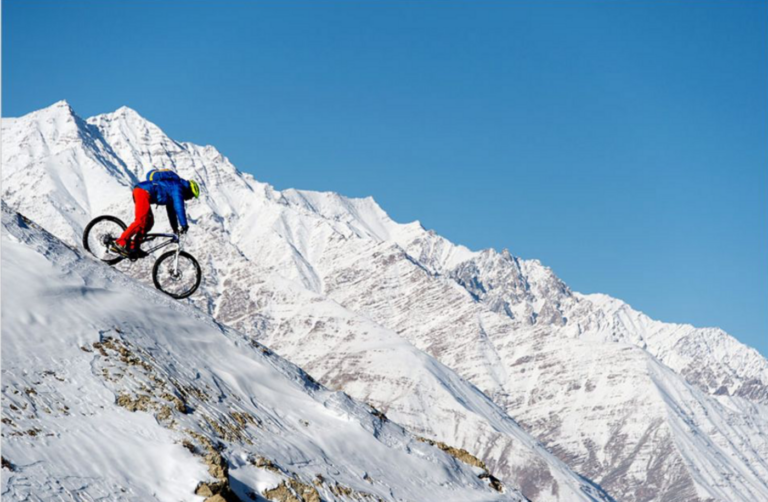
Cycling Through the Himalayas
For the first time, the team attempts to cross the Himalayas by bicycle.
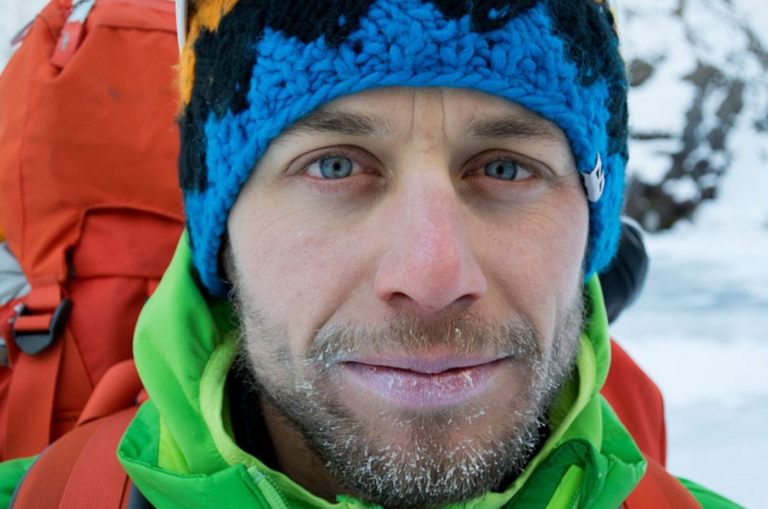
Thomas Wesp
“Getting out of the sleeping bag at minus 20 degrees in the morning and putting my feet into frozen shoes is tough, but you get used to anything.”
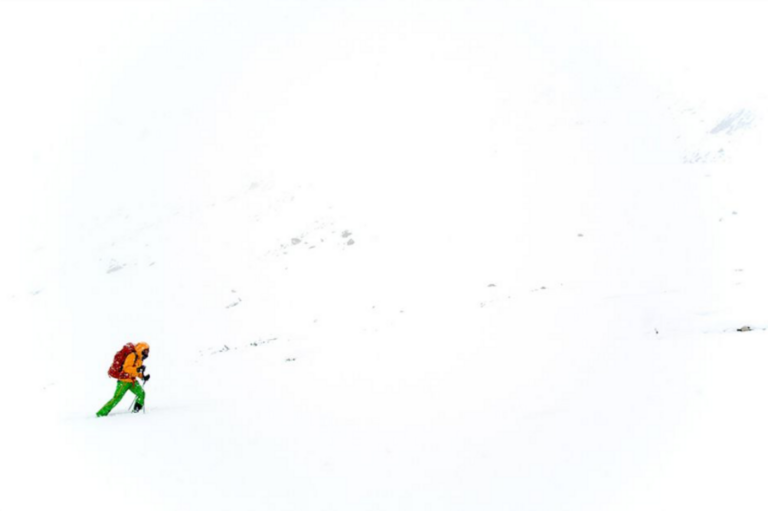
Snowstorm
Snowstorms and melting snow turn the final leg of the journey into a grueling trek.
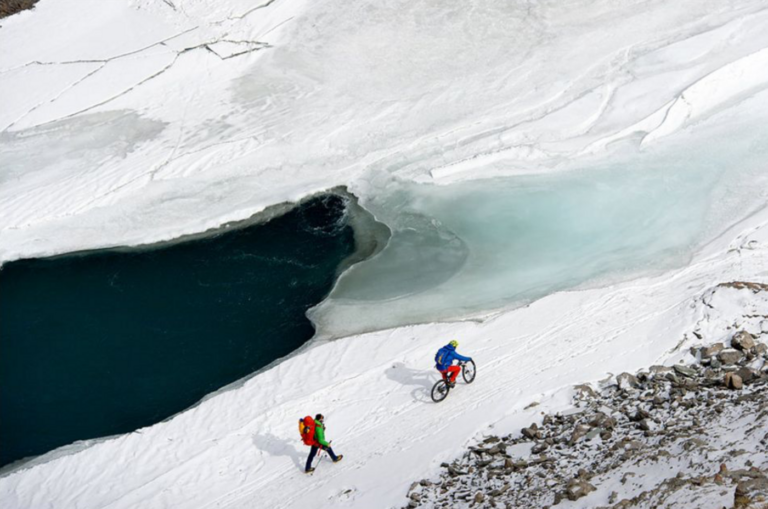
Zanskar River
The Zanskar River begins to freeze in November and becomes passable from mid-January to mid-February. During winter, it is the only way the Zanskar Valley connects to civilization.
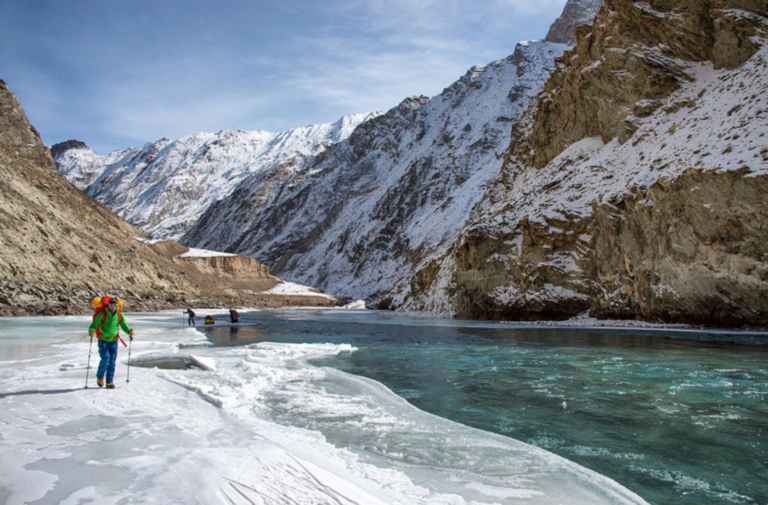
Always Near Water
Thomas Wesp’s trekking experience is invaluable during this expedition.
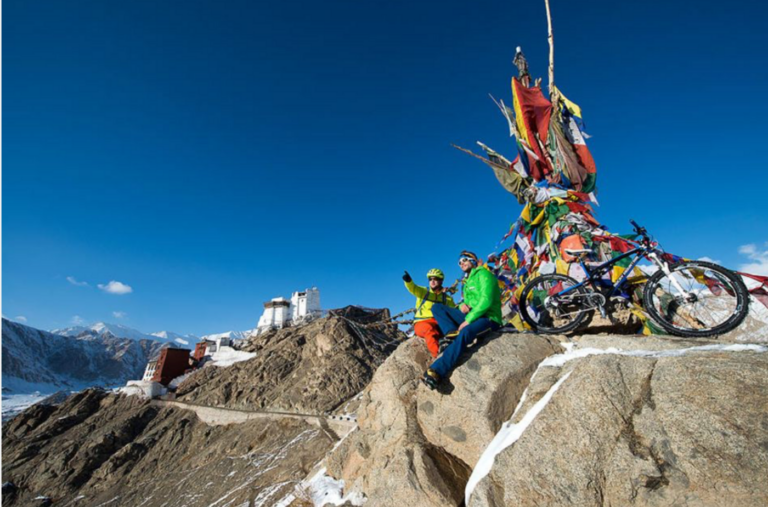
To the Horizon and Beyond
All efforts are rewarded for such dreamlike scenery.
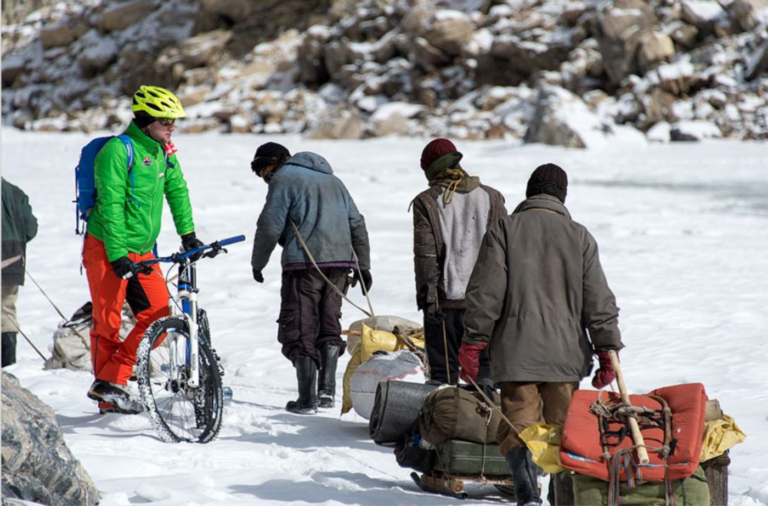
Support Crew
The expedition succeeds only with the help of porters and guides.
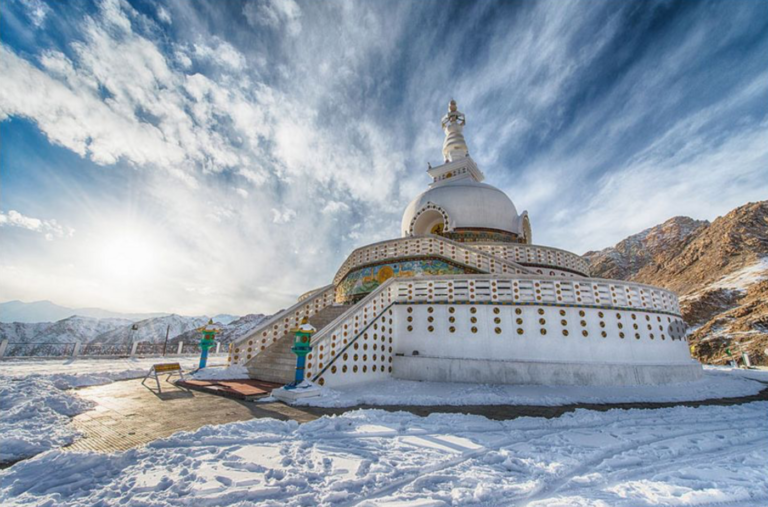
Monastery in Leh
The team started from the monastery in Leh.
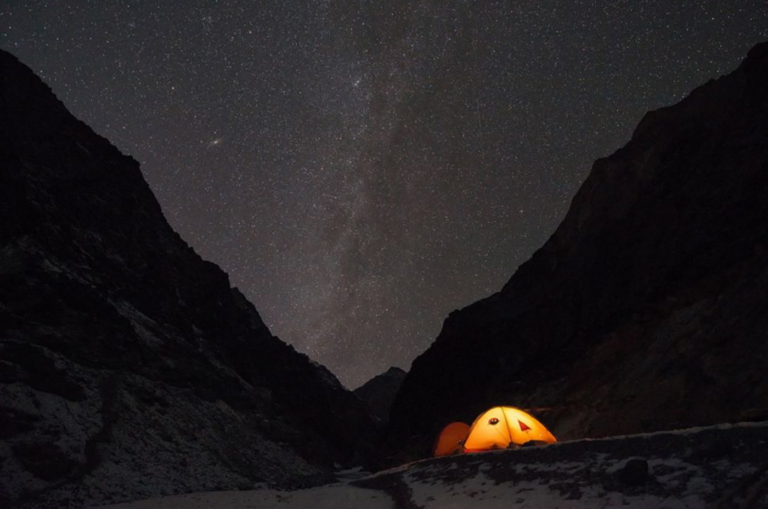
Himalayan Nights
Adventurers spend their nights under a magnificent starry sky.
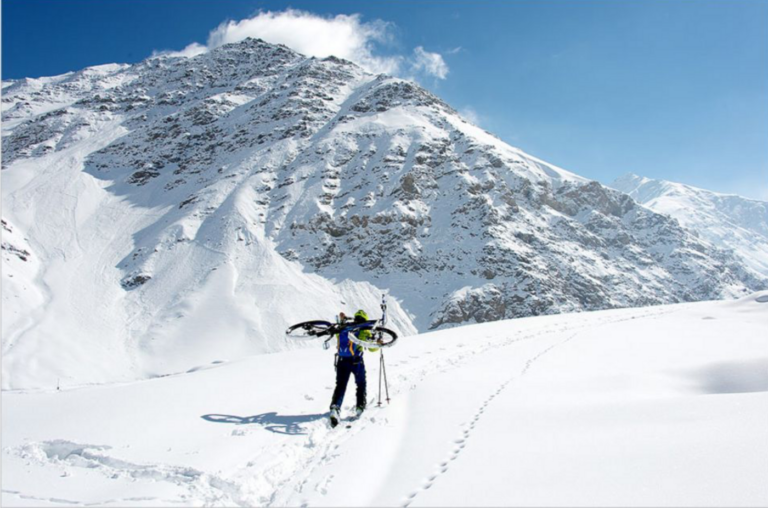
Skiing to the Summit
When the snow surface became slippery, Claude put on his skis and headed for the summit.
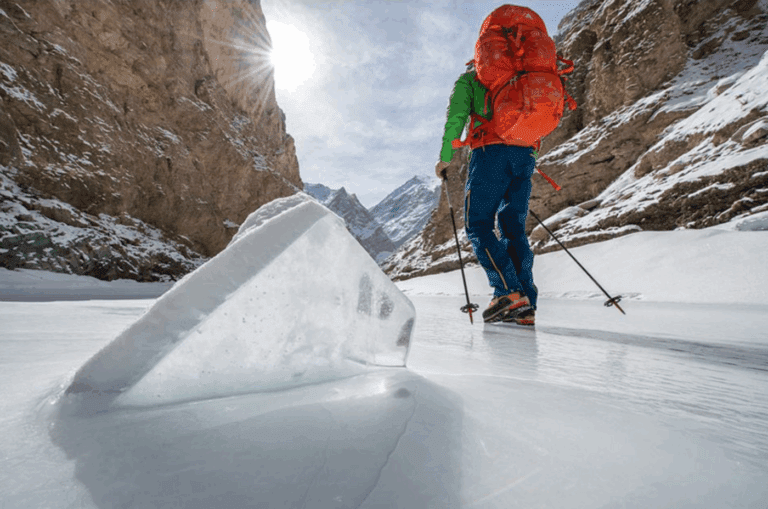
The Creaking Ice
Thomas Wesp: “The sound of one-meter-thick ice creaking underfoot, the icefall dropping 30 meters below, it’s simply amazing!”
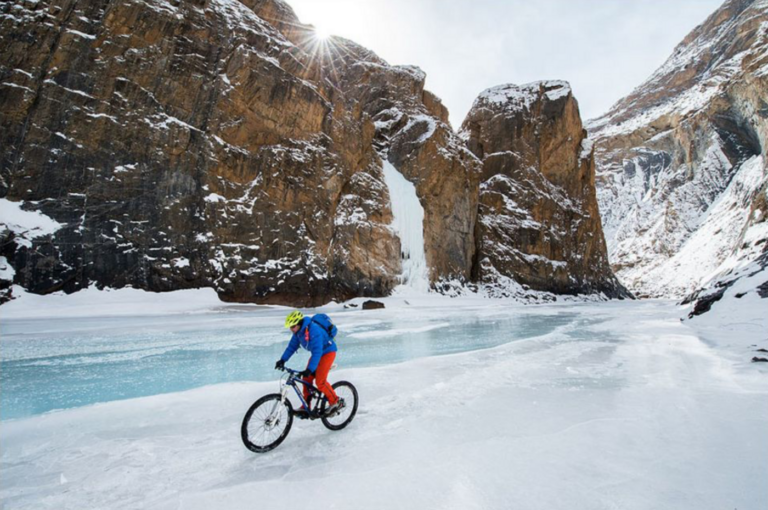
Mission Accomplished
Claude Balsiger successfully became the first to cycle across Zanskar in February 2013.
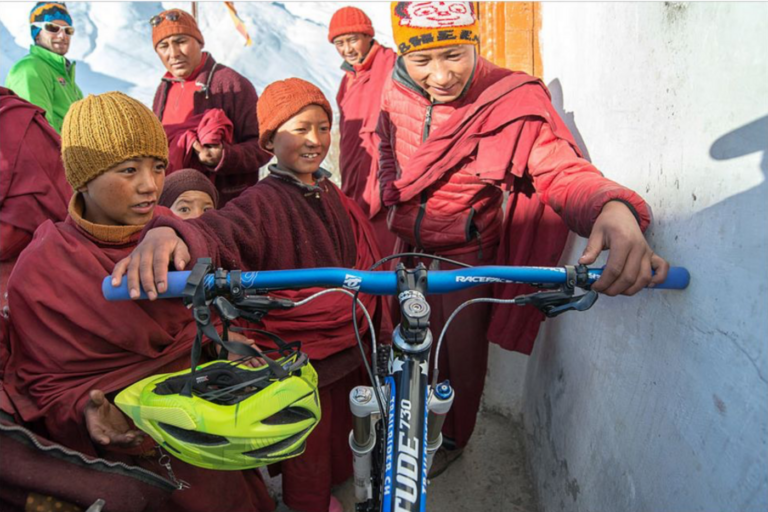
Encounters
Meeting the local people was one of the most wonderful elements of the entire expedition.
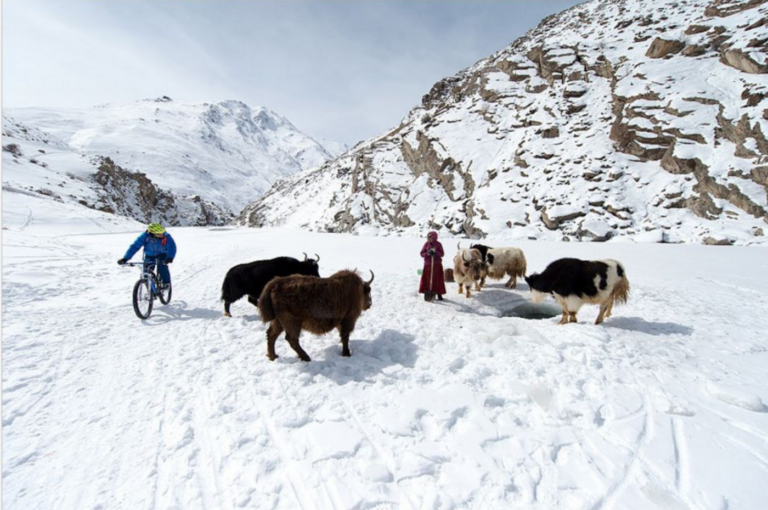
Martin Bissig
“This is more than just a sports achievement. Culture, encounters, friendships, and exchanges are what matter.”
The Reference Article Freunde der Kälte