
- Introduction
- Description
- Distribution and Habitat
- Behavior and Ecology
- Reproduction
- Conservation Status
- IUCN Status and Threats
- Customer Testimonials
- FAQs
Introduction
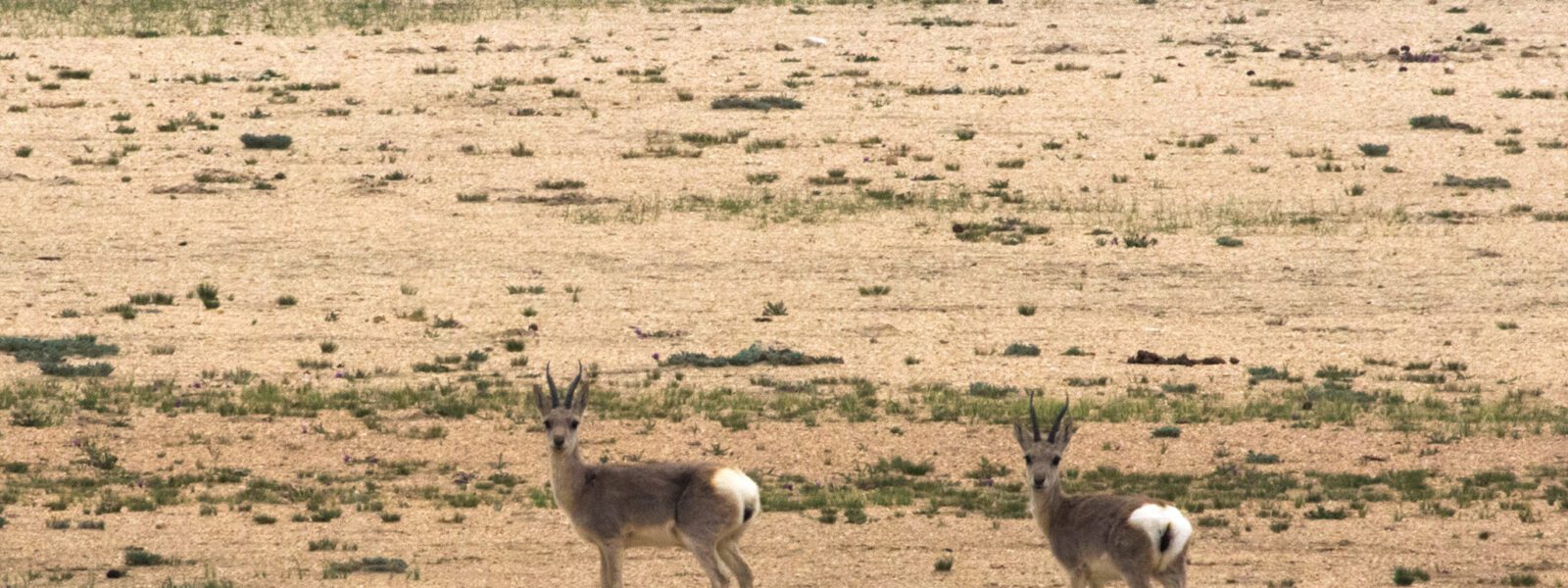
The Tibetan Gazelle (Procapra picticaudata), also known as the Goa, is one of the most remarkable creatures native to the high-altitude regions of the Tibetan Plateau. This delicate and graceful species, classified as “Near Threatened” by the IUCN, has become a symbol of the fragile beauty of alpine ecosystems. Through this guide, we explore every aspect of the Tibetan Gazelle, including its physical characteristics, habitat, behavior, and ongoing conservation efforts.
Description
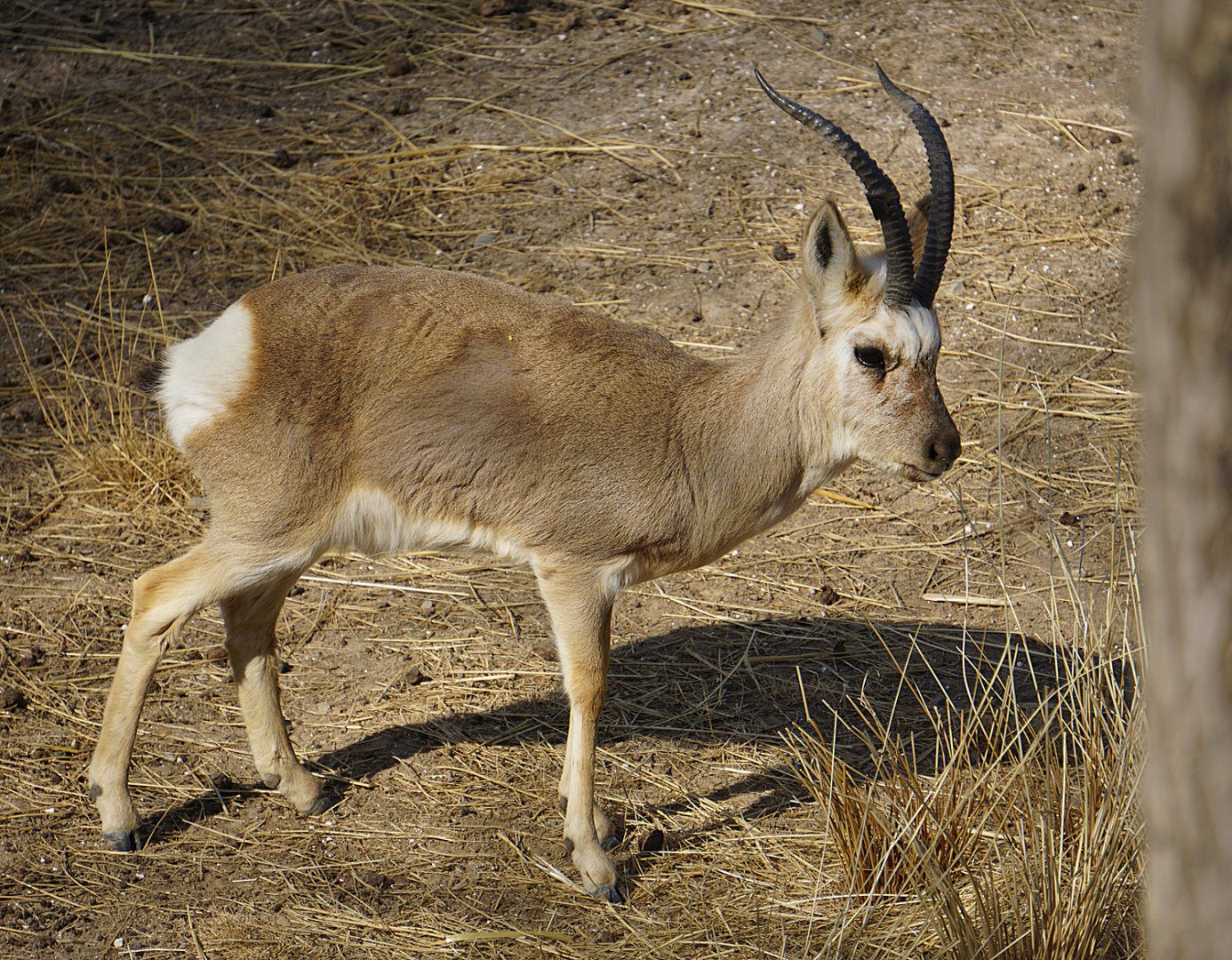
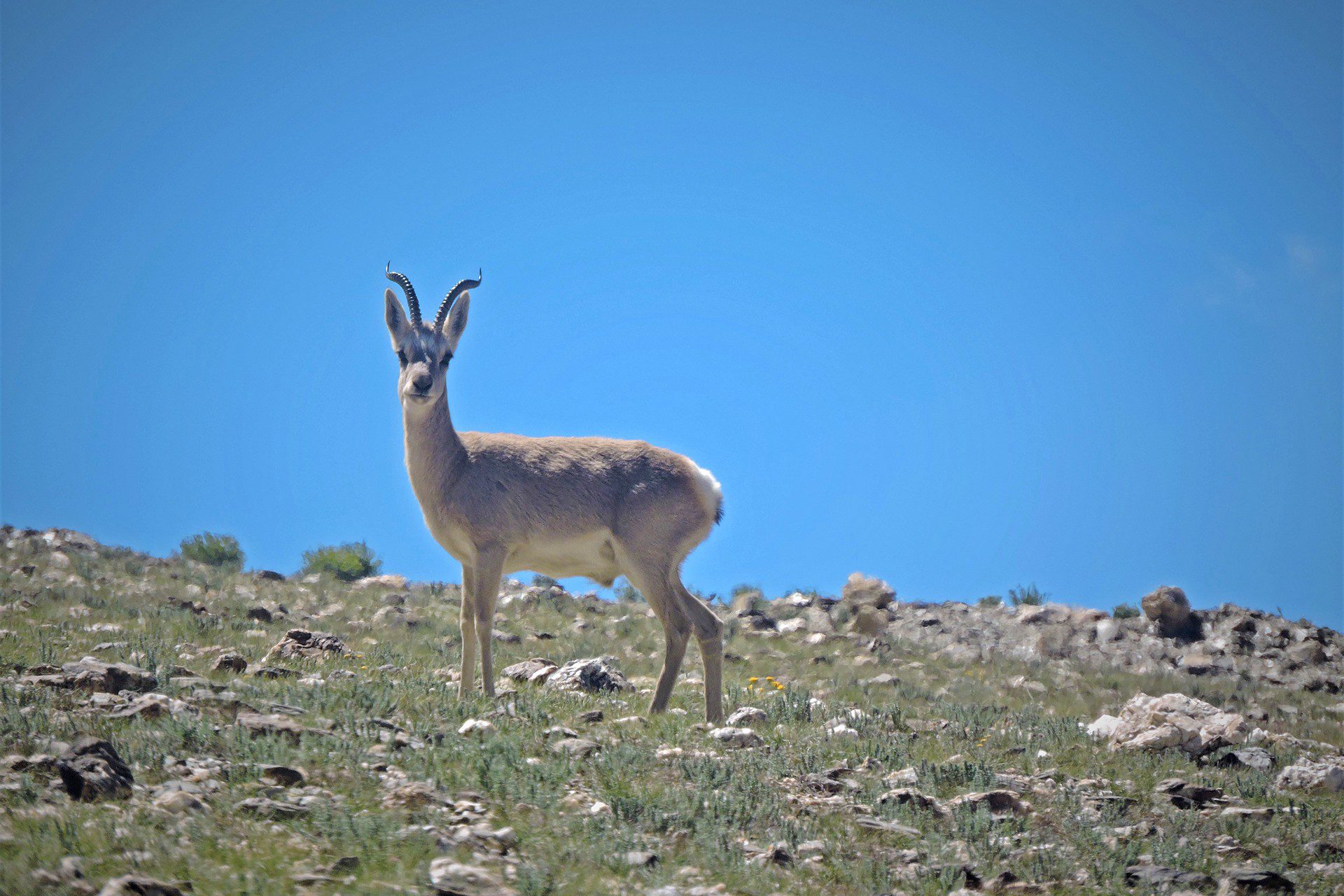
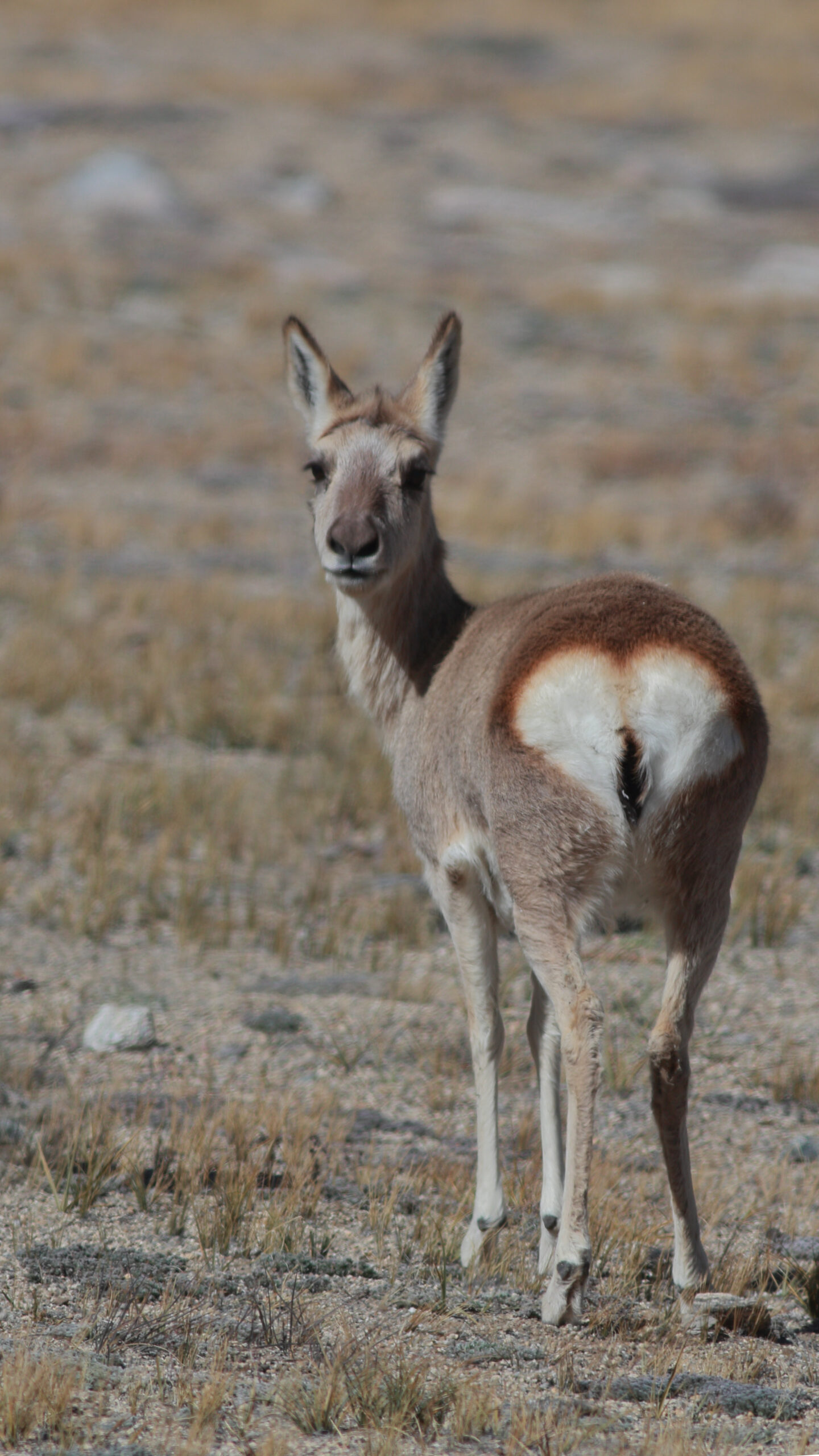
The Tibetan Gazelle is a small antelope, renowned for its agility and heart-shaped white rump patches. Below is a detailed breakdown of its physical traits:
| Characteristic | Details |
|---|---|
| Head and Body Length | 90–105 cm |
| Height at Shoulder | 60–65 cm |
| Average Weight | Male: 14.1–14.5 kg; Female: 13.2–15 kg |
| Horn Length | 26–32 cm |
The gazelle’s thin, long legs are perfectly adapted for running, aiding in its ability to escape predators. Notably, the fur of the Tibetan Gazelle changes with the seasons: short and greyish-fawn in summer, transitioning to a pale fawn in winter.
Distribution and Habitat
The Tibetan Gazelle primarily inhabits the Tibetan Plateau, with its range extending into parts of India such as Ladakh and northern Sikkim. It thrives at elevations between 4,000 and 5,750 meters (13,120–18,860 ft), making it one of the hardiest high-altitude species. Its preferred habitats include:
- Alpine steppes
- Undulating meadows
- Stony plateaux
The species is scattered across its range in small, widely spread herds, with population densities varying significantly depending on local environmental conditions.
Behavior and Ecology
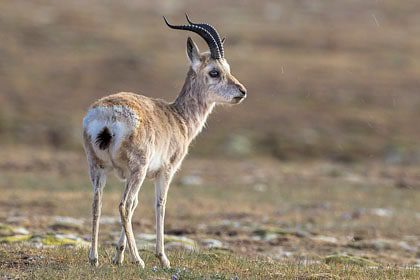
The Tibetan Gazelle is known for its solitary and cautious nature. Unlike other ungulates, it rarely forms large herds, with most groups consisting of 10 individuals or fewer. Key behavioral traits include:
- Short cries or calls to alert the herd to predators
- Feeding on forbs, legumes, and grasses
- Predators include the Himalayan wolf and snow leopard
While sharing its habitat with other species such as kiangs, the Tibetan Gazelle avoids areas dominated by domestic livestock.
Reproduction
The Tibetan Gazelle’s mating season occurs in December. During this time, males become territorial and compete for mates through displays and fights using their curved horns. Key reproductive details include:
- Gestation Period: Approximately 6 months
- Birthing Season: July to August
- Number of Offspring: Usually a single calf
Newborns remain hidden for the first two weeks of life before rejoining the herd. Female gazelles often graze in higher-altitude areas than males, descending only during the mating season.
Conservation Status
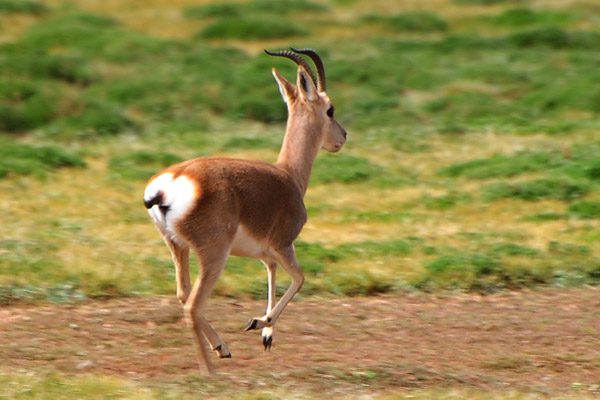
Despite its relatively low interaction with human populations, the Tibetan Gazelle faces numerous threats, including habitat loss, competition with livestock, and lack of genetic diversity in some regions. In Ladakh, the population has declined to fewer than 100 individuals. Conservation efforts focus on protecting habitats and reducing competition with domestic animals.
IUCN Status and Threats
The Tibetan Gazelle is classified as “Near Threatened” by the IUCN. The population has declined by approximately 20% over the last 12 years. Major threats include:
- Illegal hunting
- Land-use changes
- Encroachment by pastoralists
Fencing of rangelands and agricultural expansion exacerbate the loss of habitat, especially in western provinces.
Customer Testimonials
“Observing the Tibetan Gazelle in its natural habitat was a life-changing experience. Their agility and grace are unmatched. This trip taught me the importance of conserving such fragile ecosystems.” – Sarah Thompson, Wildlife Photographer, United States
“As a biologist, studying the Tibetan Gazelle was a dream come true. Their adaptability to harsh climates offers insights into species resilience.” – Rajiv Menon, Biologist, India
FAQs
Q1: What is the primary habitat of the Tibetan Gazelle?
The Tibetan Gazelle prefers alpine steppes, high-elevation meadows, and stony plateaux between 4,000 and 5,750 meters above sea level.
Q2: Are Tibetan Gazelles endangered?
No, but they are classified as “Near Threatened” due to habitat loss, illegal hunting, and competition with livestock.
Q3: What do Tibetan Gazelles eat?
They primarily feed on forbs, legumes, and grasses, supplemented by sedges and shrubs.
Q4: How long do Tibetan Gazelles live?
In captivity, they have lived up to five years and seven months.
Q5: What are the primary predators of Tibetan Gazelles?
Himalayan wolves and snow leopards are the primary predators of the Tibetan Gazelle.