


When Apricot Trees Open the Valley
By Sidonie MorelThe First Color That Does Not Announce Itself
Blossom before certainty
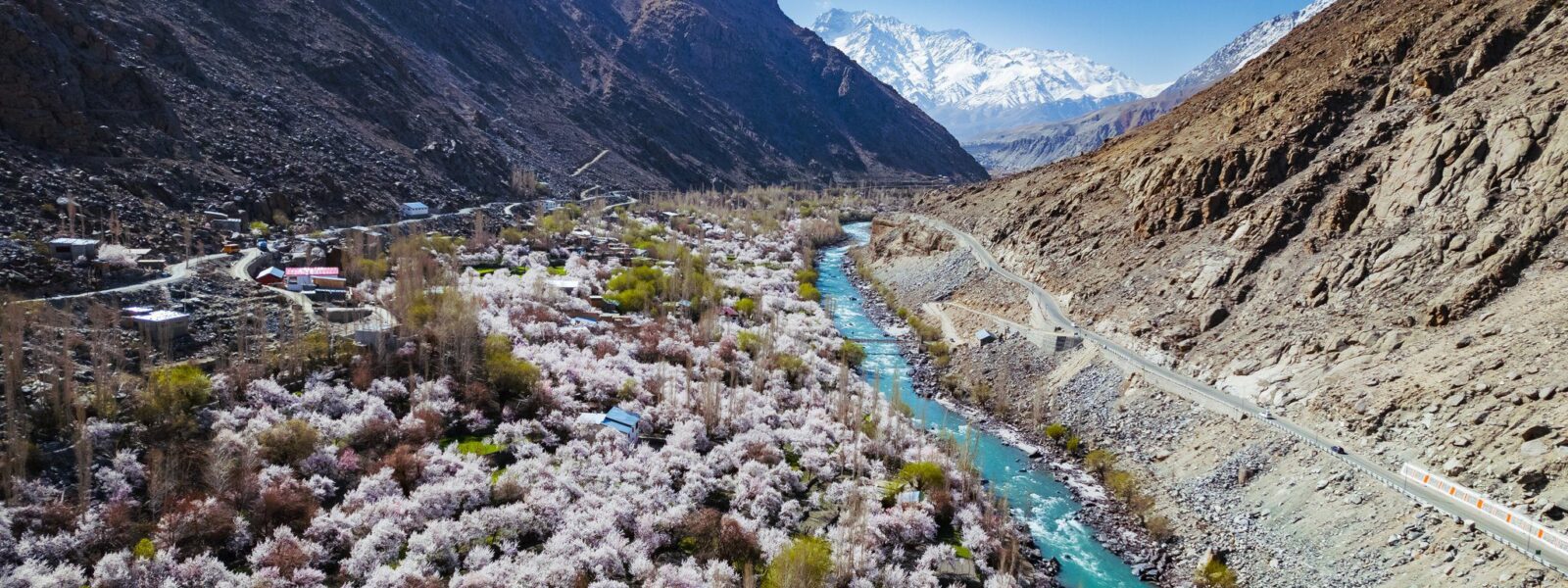
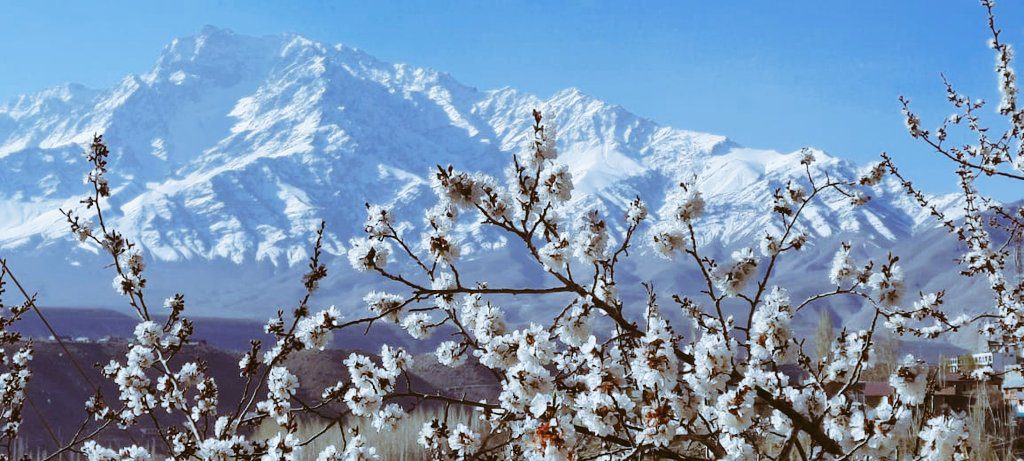 Apricot blossoms in Ladakh do not arrive with a clear beginning. There is no moment when the valley declares that spring has started. Instead, a branch changes. Then another. Pale flowers appear quietly along stone walls and irrigation channels, close to houses where winter routines have not yet been fully put away. The mornings are still dry and sharp. The ground still holds last season’s dust. And yet, something has shifted.
These trees are not ornamental. They stand where they have always stood—near kitchens, near water, near the paths that connect one piece of daily work to the next. Blossom is simply the visible phase of a longer cycle that belongs to storage rooms, drying racks, jars, and hands. It does not ask to be admired. It appears because conditions allow it to appear.
For a visitor, this first color can be easy to misunderstand. It looks delicate, even decorative. But here it signals readiness rather than beauty. It means the valley has begun to turn outward again, cautiously, without spectacle.
Apricot blossoms in Ladakh do not arrive with a clear beginning. There is no moment when the valley declares that spring has started. Instead, a branch changes. Then another. Pale flowers appear quietly along stone walls and irrigation channels, close to houses where winter routines have not yet been fully put away. The mornings are still dry and sharp. The ground still holds last season’s dust. And yet, something has shifted.
These trees are not ornamental. They stand where they have always stood—near kitchens, near water, near the paths that connect one piece of daily work to the next. Blossom is simply the visible phase of a longer cycle that belongs to storage rooms, drying racks, jars, and hands. It does not ask to be admired. It appears because conditions allow it to appear.
For a visitor, this first color can be easy to misunderstand. It looks delicate, even decorative. But here it signals readiness rather than beauty. It means the valley has begun to turn outward again, cautiously, without spectacle.
A Narrow Window, Carefully Held
Time that cannot be fixed
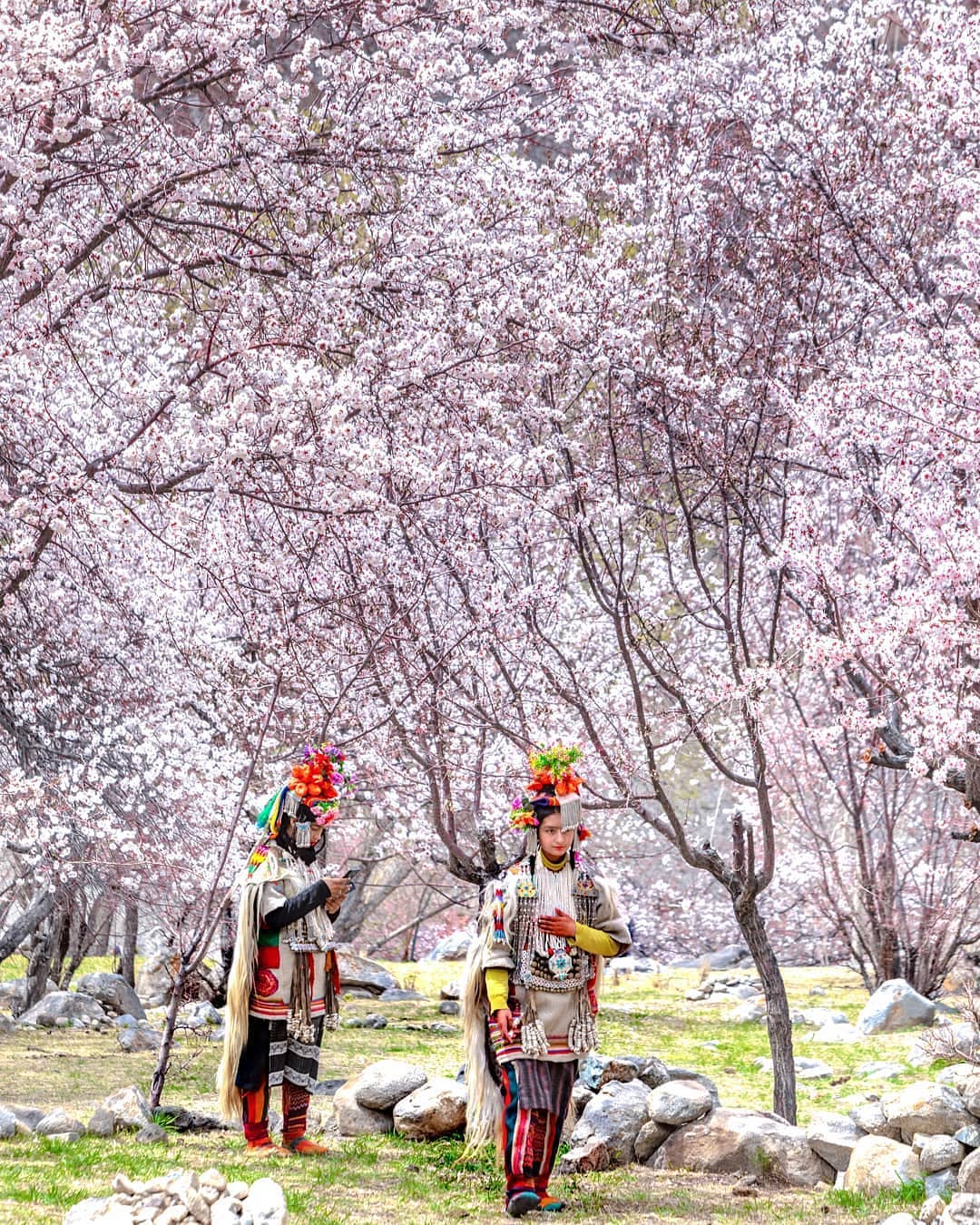 Apricot blossom season in Ladakh is brief and uneven. It does not settle into a single date or behave the same way each year. Blossoms open, hold for a short while, then disappear—sometimes quickly, sometimes unevenly, depending on conditions that are read rather than predicted. What matters is not how long the flowers last, but how attentively that short period is handled.
This is why attempts to define the season too precisely tend to miss its character. Blossom here is not a display arranged for convenience. It is a working signal, interpreted locally and acted upon without ceremony. People notice it, acknowledge it, and continue with what must be done.
The festival associated with apricot blossom season follows this same logic. It is understood as something that takes shape in response to the season, not as something that controls it. The details shift from year to year, and that variability is not treated as a problem. It is treated as normal.
Information about the 2026 Apricot Blossom Festival—its dates and locations—will be made public online once officially announced.
Apricot blossom season in Ladakh is brief and uneven. It does not settle into a single date or behave the same way each year. Blossoms open, hold for a short while, then disappear—sometimes quickly, sometimes unevenly, depending on conditions that are read rather than predicted. What matters is not how long the flowers last, but how attentively that short period is handled.
This is why attempts to define the season too precisely tend to miss its character. Blossom here is not a display arranged for convenience. It is a working signal, interpreted locally and acted upon without ceremony. People notice it, acknowledge it, and continue with what must be done.
The festival associated with apricot blossom season follows this same logic. It is understood as something that takes shape in response to the season, not as something that controls it. The details shift from year to year, and that variability is not treated as a problem. It is treated as normal.
Information about the 2026 Apricot Blossom Festival—its dates and locations—will be made public online once officially announced.
Blossoms Among Houses, Not Landscapes
Where the season is actually lived
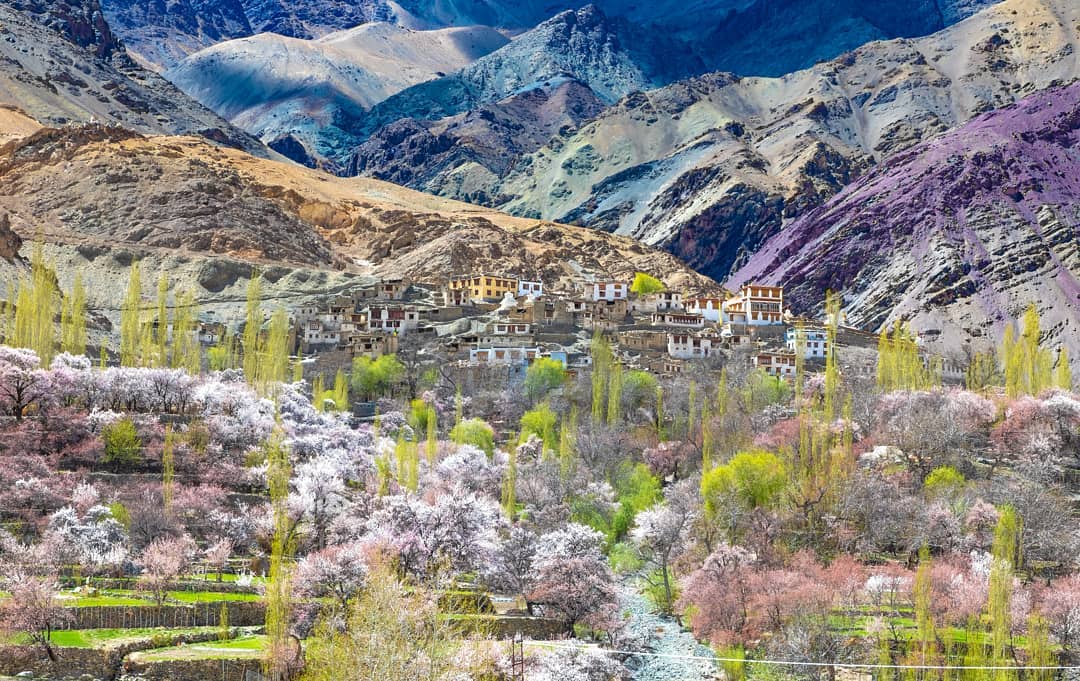 The most convincing blossom scenes are domestic. A tree leaning slightly over a low wall. Flowers scattered where someone has paused to set down a bucket. Petals caught briefly in a narrow stream before moving on. These are not curated views. They are incidental, and therefore accurate.
In villages, apricot trees share space with everything else that defines daily life: stacked firewood, drying cloth, tools waiting to be used again. Children pass beneath branches without comment. Animals move through the same spaces. Blossom does not interrupt these movements. It overlays them lightly.
This is why staying close to village life matters during this season. The blossoms are not a destination in themselves. They are part of an ongoing arrangement that includes water management, field preparation, and household rhythms. To see them clearly, it helps to be present for the ordinary moments that surround them.
The most convincing blossom scenes are domestic. A tree leaning slightly over a low wall. Flowers scattered where someone has paused to set down a bucket. Petals caught briefly in a narrow stream before moving on. These are not curated views. They are incidental, and therefore accurate.
In villages, apricot trees share space with everything else that defines daily life: stacked firewood, drying cloth, tools waiting to be used again. Children pass beneath branches without comment. Animals move through the same spaces. Blossom does not interrupt these movements. It overlays them lightly.
This is why staying close to village life matters during this season. The blossoms are not a destination in themselves. They are part of an ongoing arrangement that includes water management, field preparation, and household rhythms. To see them clearly, it helps to be present for the ordinary moments that surround them.
From Flower to Storage
The practical future inside the blossom
Apricot blossom carries a faint, clean scent that disappears easily. It does not cling. It does not linger. This restraint mirrors what follows. The fruit, when it comes, will be handled with precision rather than excess. It will be dried, pressed, cooked, stored. Nothing about the process is rushed, and nothing is sentimental. During the festival, this continuity becomes visible. What is presented is not just a flower, but the work that grows out of it: dried fruit, oils, preserves, small goods prepared to last. Hands move steadily across tables. Containers are filled, sealed, wiped clean. Transactions happen quietly. These are not performances; they are demonstrations of competence. To understand apricot blossom season here, it helps to look past the trees and toward the shelves they will eventually fill. Blossom is the beginning of a sequence whose purpose is winter, not spring.A Valley Turning Outward
Spring without spectacle
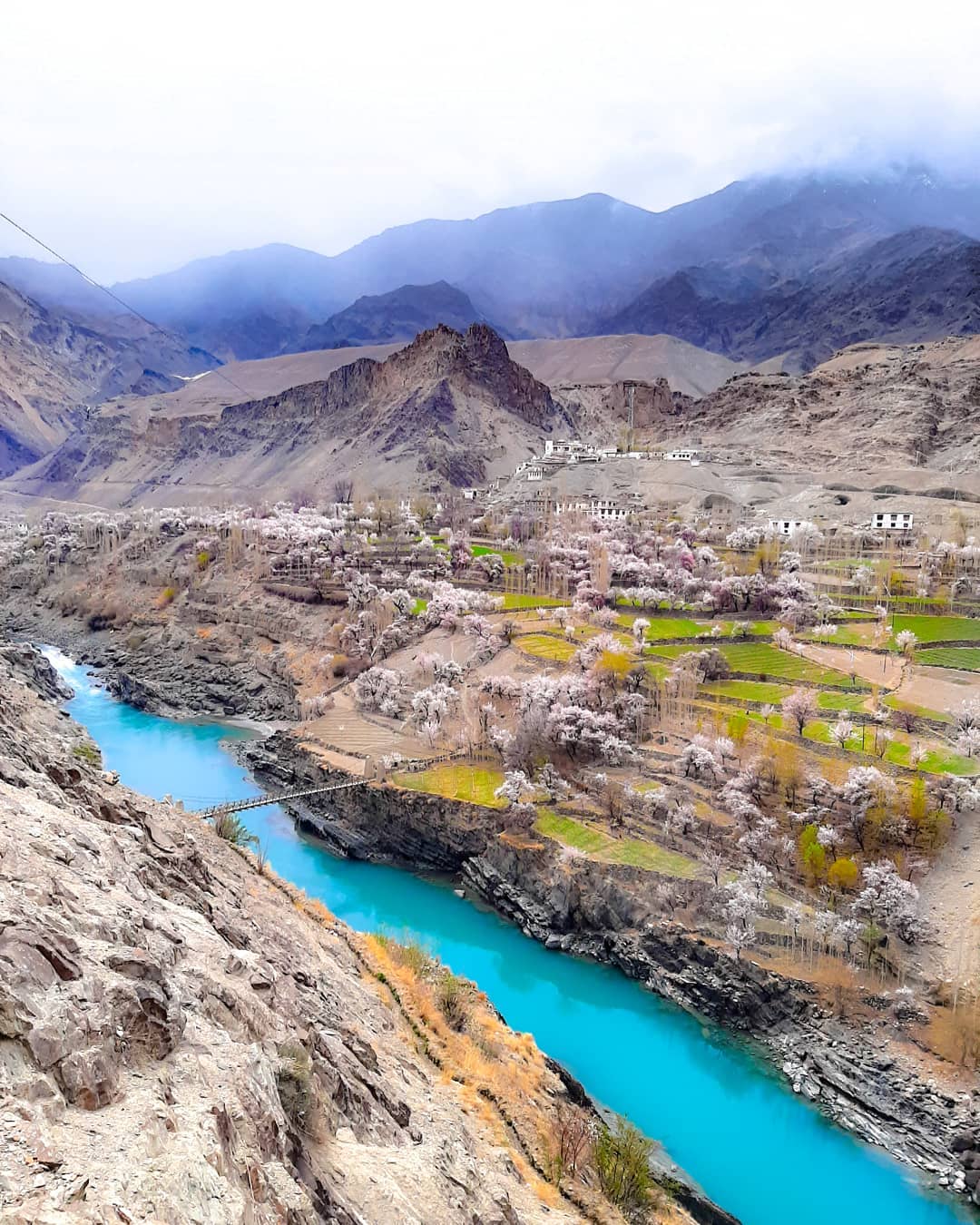 Ladakh does not mark the end of winter with celebration alone. The shift is gradual and practical. Movement increases. Paths are used more often. Small roadside exchanges resume. The blossom season sits within this larger adjustment, neither separate from it nor entirely responsible for it.
What might appear, from the outside, as a festival of flowers is also a moment of coordination. Villages open themselves briefly to visitors. Products are brought forward. Music and gathering happen, then recede. The valley tests its outward-facing posture and then returns to work.
For European readers accustomed to spring as a clear seasonal break, this can feel understated. There is no dramatic release. Instead, there is continuity: winter thinning into something more flexible, more mobile, without losing its discipline.
Ladakh does not mark the end of winter with celebration alone. The shift is gradual and practical. Movement increases. Paths are used more often. Small roadside exchanges resume. The blossom season sits within this larger adjustment, neither separate from it nor entirely responsible for it.
What might appear, from the outside, as a festival of flowers is also a moment of coordination. Villages open themselves briefly to visitors. Products are brought forward. Music and gathering happen, then recede. The valley tests its outward-facing posture and then returns to work.
For European readers accustomed to spring as a clear seasonal break, this can feel understated. There is no dramatic release. Instead, there is continuity: winter thinning into something more flexible, more mobile, without losing its discipline.
Movement Instead of a Center
A celebration that does not stay still
One of the defining features of the apricot blossom festival is its refusal to settle into a single permanent stage. It moves, allowing different places to host, participate, and step back again. This circulation is not accidental. It reflects how the region itself functions—distributed, attentive to balance, resistant to concentration. For visitors, this means the season is better approached as a passage rather than a point. You do not arrive, complete the experience, and leave. You move through it. You follow signs that are subtle rather than announced. You learn to accept that some moments are brief and unrepeatable. This movement also preserves proportion. No single village is asked to carry the weight of representation. No single day is treated as definitive. The festival remains aligned with the land rather than imposed upon it.Staying Long Enough to See It Fade
The season closes as quietly as it opens
The end of apricot blossom season is rarely remarked upon. Flowers fall. Branches change. Attention shifts to what comes next. If you return to the same path after a few days, the scene will already have altered. The softness gives way to something more utilitarian. Staying long enough to notice this change is part of understanding the season. Blossom is not meant to be held. It is meant to pass. What remains is the structure it revealed briefly: how the valley organizes itself, how work resumes, how preparation overtakes display. In Ladakh, the apricot blossom window does not ask for interpretation. It simply opens, then closes. The valley continues.Sidonie Morel is the narrative voice behind Life on the Planet Ladakh, a storytelling collective exploring the silence, culture, and resilience of Himalayan life.
8 Days Ladakh Apricot Blossom Tour | Nubra Valley & Pangong Lake Adventure
Experience the 8 Day Ladakh Apricot Blossom Tour, exploring stunning landscapes, Nubra Valley, and Pangong Lake.
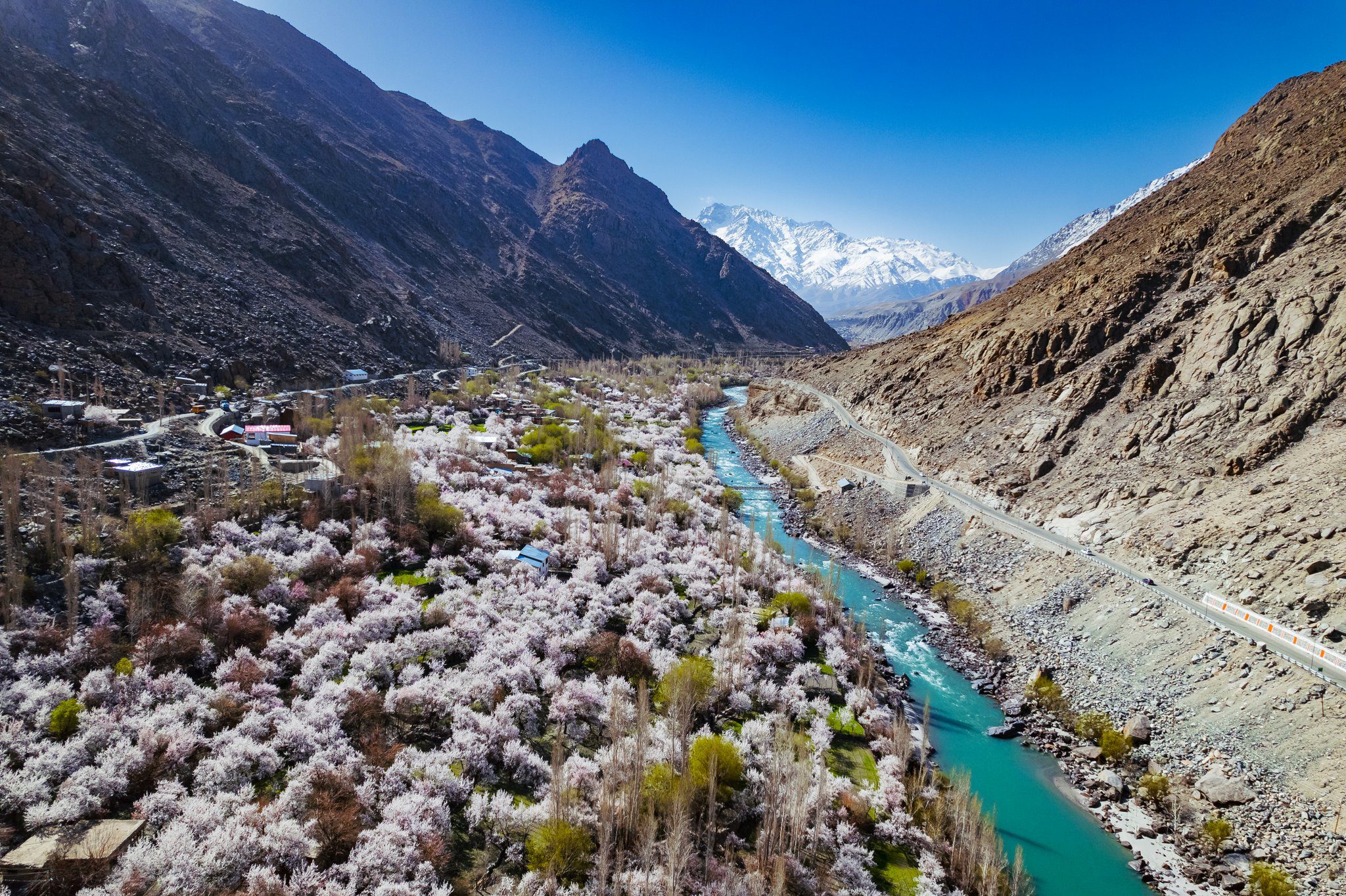
Apricot Blossom Expedition : A 10-Day
Explore the 10-day Apricot Blossom Expedition in Ladakh. Witness blooming apricot orchards, cultural exchanges, and Ladakh's serene landscapes.