


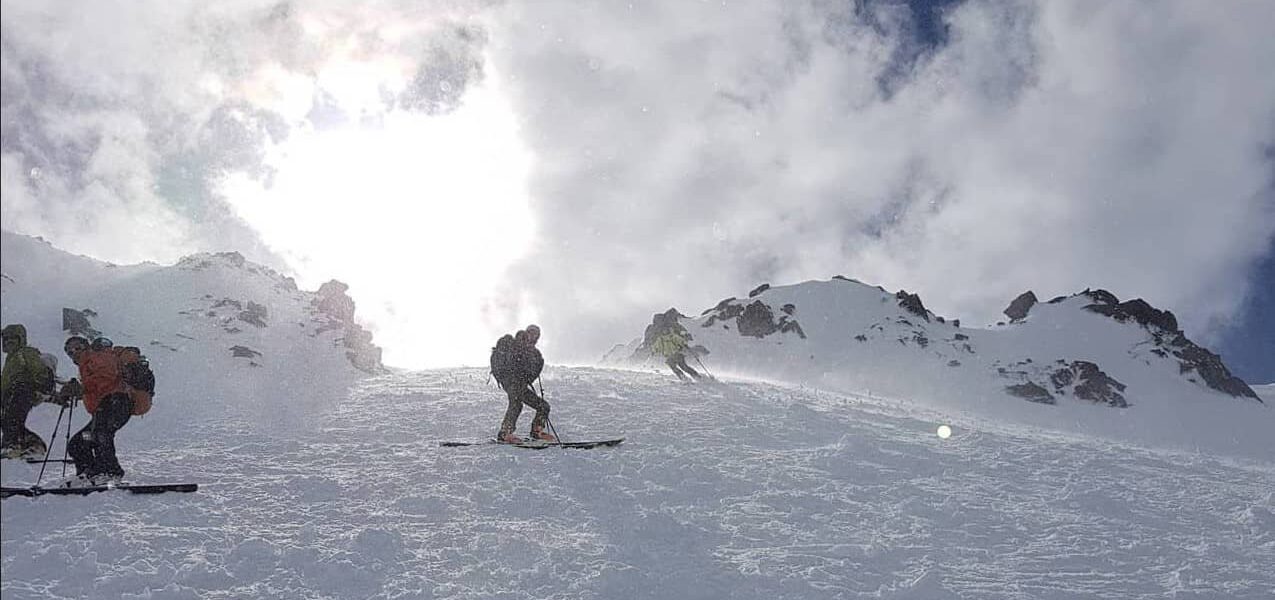
In Drass, Winter Stays on the Slope
By Sidonie Morel
The town that measures time in snow
Morning on the Kargil road
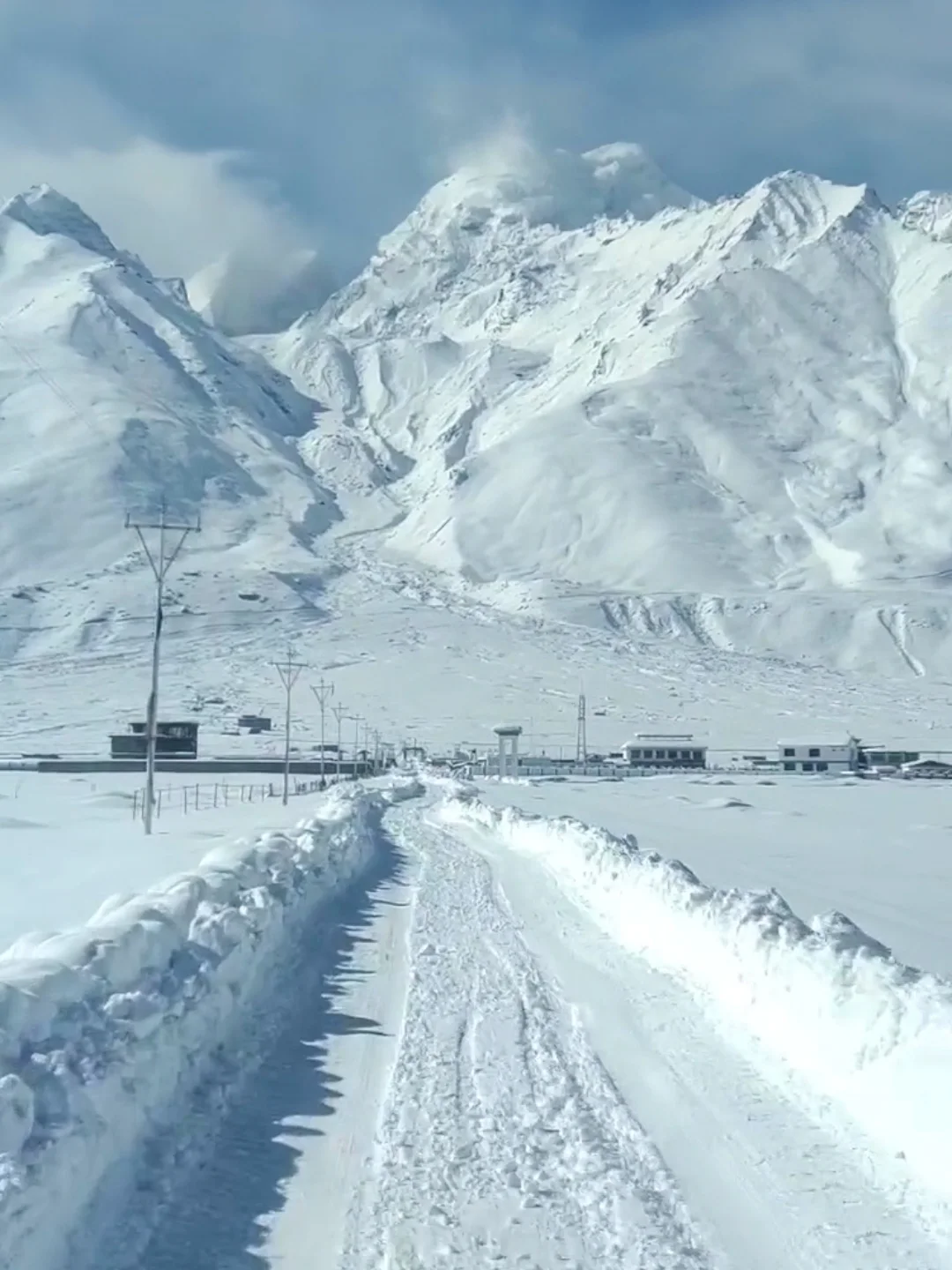
Drass sits along the Srinagar–Leh road, the long seam that stitches Kashmir to Ladakh. In summer, it is a place you pass through with the windows down, counting apricot trees where you can. In winter, the same route narrows into a corridor of caution: tyres fitted for cold, engines left running a little longer, tea poured before anyone says what they came for. The town’s name travels ahead of it, often delivered as a warning—cold, colder, coldest—yet the fact of Drass is less theatrical than the reputation suggests. Cold here is not a story; it is a condition. It changes how people stand, how they hold a cup, how they wait for a door to open.
The snow does not arrive like a curtain. It arrives in increments, a little more each night, and then one day the town wakes to the same palette repeated: roof, wall, field, riverbank, all adjusted to white. The river moves somewhere under it, audible in places where the surface is thin. Footprints appear and then disappear. The work of winter is not the storm; it is the maintenance that follows—shovels, packed paths, the tidying of edges so that the day can proceed.
In Drass, the most revealing details are the small ones: the grit scattered at corners, the way the shopkeepers keep the threshold clear, the quiet insistence of wool and rubber in every doorway. By late season, snow becomes an archive of movement. A narrow track where people have learned, collectively, where it is safest to walk; a wider strip where vehicles have shaved the surface into hard ridges; a soft drift that no one touches because it marks a ditch. These are not romantic observations. They are the town’s instructions, written each morning and revised by afternoon.
Winter that refuses to leave
The surprise—especially for visitors arriving from Europe with a neat idea of winter’s end—is how long the snow remains useful. Drass does not turn on a spring switch. While other valleys begin to show brown edges and a loosening of surface, Drass can still hold its snow well into April. Local skiers speak of coverage that stays deep when the sun is already climbing higher, and of days when the snow softens enough to make practice kinder without collapsing into slush. There is talk, too, in the language of plans and feasibility studies, of a season that might stretch from early winter through mid-May on the slopes above the town.
This is where the idea of skiing in Drass begins to feel less like a novelty and more like a simple consequence of geography. The snow remains; people look at it differently. A slope that has always been “there” becomes a place of repetition and learning. Winter stops being only something to endure and becomes something to use—carefully, deliberately, without pretending it is easy.
Manman: a slope that behaves like a classroom
Above town, a practical kind of wide
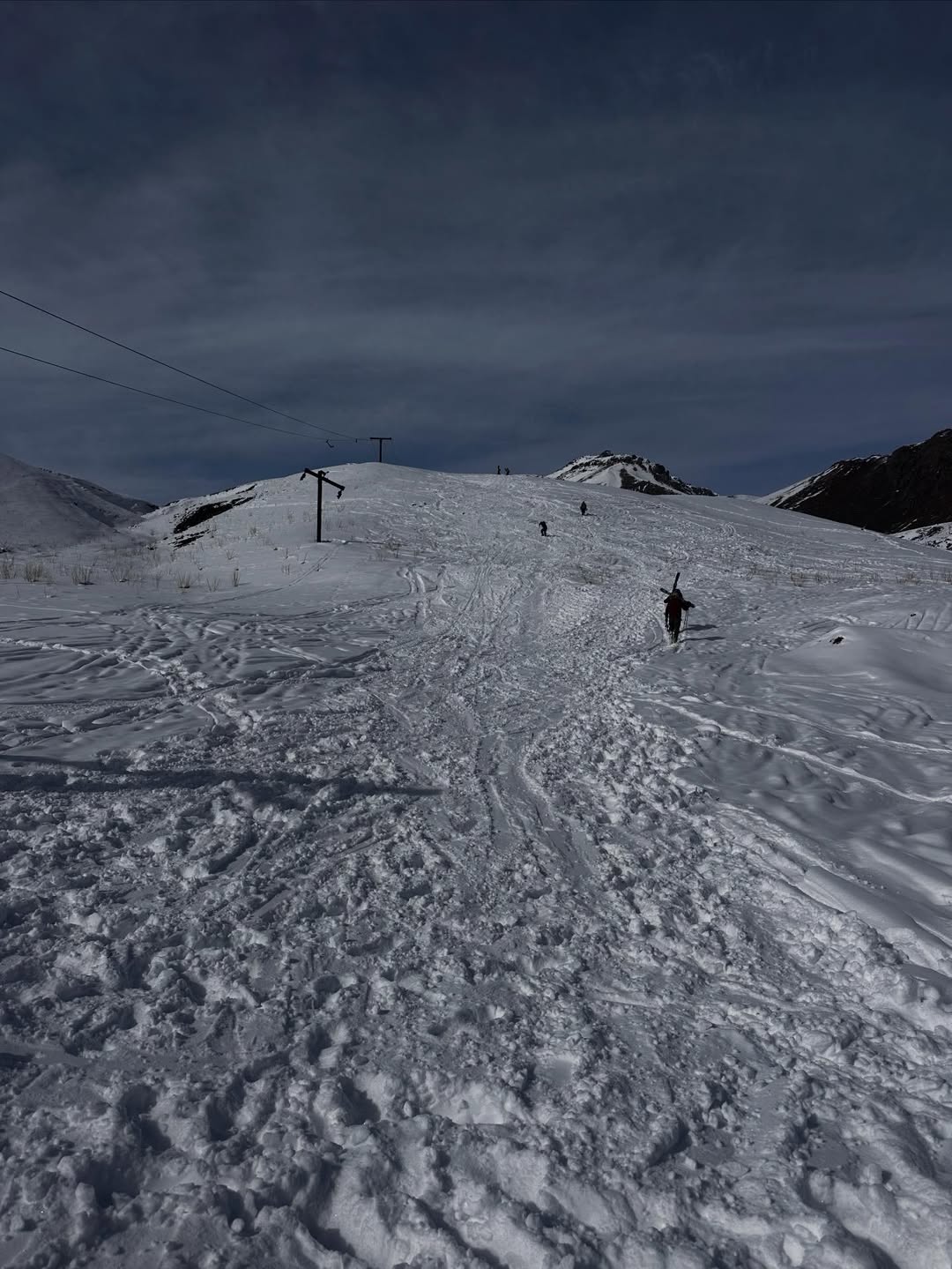
The Manman slopes sit above Drass with the plain logic of terrain that has always been waiting. They do not announce themselves with infrastructure. They offer space. That matters more than it sounds. Many ski stories begin with equipment and access; in Drass, the beginning is the shape of the land and the quality of snow under a boot.
The slope is generous, wide enough to allow a beginner’s awkward zigzags without forcing anyone into the edge. It is the sort of incline where you can watch a learner try the same turn ten times and still have room for another person to pass. On a clear day, the valley reads like a map: the road’s thin line, the clustered roofs, the river’s pale curve. The view is not the point, but it helps you understand why the place is being discussed seriously. A training ground needs visibility in two senses: seen by those who might come, and legible to those who must manage safety.
When officials and local associations speak about Manman, they speak in the vocabulary of necessities: lifts, grooming machines, equipment, a formal academy that can regularise training and lower the barrier for those who cannot afford long trips elsewhere. It is a language that belongs to budgets and tenders, but it is also the language that turns a slope from a rumour into a place where people can return every winter and build skill over time.
The slow work of building a winter sport
A ski destination is often sold as an instant product. Drass is not in that business, at least not yet. What is taking shape is closer to a community project, one that has to accommodate Ladakh’s realities: distance, cost, the uneven availability of gear, the fact that winter travel is never simply a matter of desire.
The ambition is clear. The proposals around Manman describe the elements that would make the slope more reliably usable: a lift system—whether chairlift or draglift—so that training is not limited by how many times a person can climb back up; grooming equipment that can maintain a consistent surface; a supply of skis, boots, poles, and protective gear; instructors trained not only in technique but in teaching. On paper, these are standard requirements. In Drass, they read as a list of missing pieces that would allow something already present—snow, slope, interest—to develop into a routine.
It is not hard to see why the conversation has momentum. In many parts of the Himalaya, winter sports are constrained by access to established resorts. In Ladakh’s Kargil region, a practical argument repeats: if Gulmarg is not easily reachable, if it is expensive, if political and logistical realities shape who can go and when, then there is value in building local options. That argument is not framed as rivalry. It is framed as competence—developing a skill set, offering youth a winter activity with structure, and keeping winter from being only a season of limitation.
Learning here means learning differently
Instruction with no impatience
Ski lessons in Drass do not come wrapped in a hospitality package. They come in the form of camps and training sessions that look more like a school day than a holiday. When the Kargil Battle School in Drass hosts an adventure ski camp—one of those winter programmes designed to teach the basics—what is emphasised is fundamental movement: gliding, turning, stopping, travelling across a slope without losing control. The vocabulary is simple, even blunt. It has none of the marketing gloss that European skiers have learned to ignore.
Watching a beginner learn these basics in Drass is instructive because it exposes what we often forget about skiing: it is not a natural act. It is a series of decisions made quickly by a body that is still negotiating its relationship with balance. In a camp setting, the instructor’s role is not to provide thrill; it is to provide order. Where to stand. How to angle the skis. What to do with the poles when you do not yet know how to use them. How to stop in a way that does not panic the person behind you.
The teaching is patient because it has to be. Many learners are not arriving with private lessons and rented equipment. They are arriving through a local network of opportunity: a programme announced, a slot available, skis shared, boots that may not fit perfectly. That constraint shapes the teaching style. It favours repeatable drills and careful progression. The goal is not elegance; it is competence that can survive the next attempt.
Falling as part of the method
In the Manman area and similar slopes, falls are not treated as embarrassing. They are treated as data. A learner falls because the skis crossed, because weight shifted too abruptly, because the snow changed texture between shade and sun. Each fall creates a small disruption in the surface, and then the person stands up and the instruction resumes. The slope collects these marks—parallel scratches, shallow trenches—until it looks like a page that has been erased and rewritten.
There is a particular sound to a beginner’s day on snow: the scrape of edges, the soft thud of a fall into powder, the sharper knock when the surface is compacted by cold nights. In Drass, where winter can be severe, the snow often shifts through a range of textures in a single day. The morning may be firm, the afternoon more forgiving, and then the surface tightens again as the light drops. Learners adapt without necessarily naming what they are adapting to. It becomes instinct: one kind of turn here, another there, a slower line where the snow is brittle.
This is why the idea of Drass as a place where winter “lingers long enough” has weight. It is not about the novelty of skiing in a cold town. It is about time. Time to repeat. Time to make mistakes. Time to practise without the pressure of a short holiday window. Time for a local winter sport culture to form, one session at a time.
The question of access, quietly present in every plan
Why local slopes matter in Ladakh
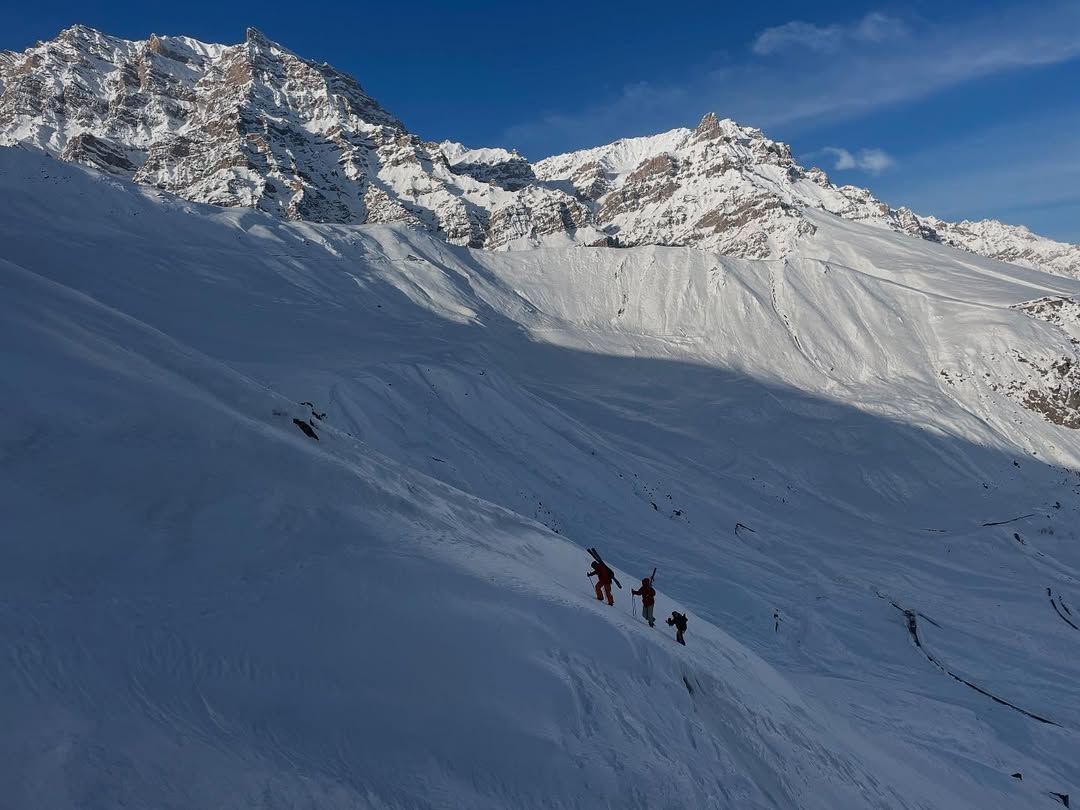
In Europe, skiing has long been tied to infrastructure: roads maintained for tourists, a reliable system of rentals, lifts that turn a mountain into a machine. In Ladakh, the equation is different. Winter access is never guaranteed, and even when roads open, the expense of travel can turn a sport into a luxury. The value of Drass lies partly in its location within the Kargil district and its connection to the road network that already exists for other reasons.
When people speak about developing skiing in Drass, they rarely speak in the language of “destination.” They speak in the language of “facility” and “training.” The intention is to create a place where skills can be developed locally, rather than relying on distant resorts. That intention is visible in the way training programmes are designed and in the way official discussions describe what is required: not a spa, not a shopping street, but lifts, grooming, equipment, coaching.
It is also visible in the way nearby names appear in the conversation. Lamochan and Goshan are mentioned as potential slopes in Drass, and Naktul appears on the Kargil side as another winter sports site. These place names matter because they shift skiing from a single point on a map into a small regional system—several slopes, several possibilities, a network that could allow different levels of practice and different types of events.
Courses that make winter legible
One of the practical bridges between aspiration and reality is formal training. In recent seasons, the Indian Institute of Skiing and Mountaineering (IISM) has listed snow skiing courses in Kargil with clear dates, durations, and fees—two weeks of instruction, a stated capacity, an age range, and different pricing depending on residency. It is administrative information, but it signals something important: winter sports are not only being talked about; they are being scheduled.
For a European reader, this may seem like a modest detail. In Ladakh, it is the sort of detail that changes how a place is perceived. A course listing implies an instructor pool, a training framework, a repeatable pattern. It also suggests that someone has done the work of coordinating winter logistics: where participants will gather, what equipment will be available, how safety will be managed. These are the unglamorous realities that allow a sport to exist beyond a few enthusiastic individuals.
The wider promise, often hinted at but not overstated, is that Drass could become a place where snow sports education continues later into the year than people expect. If the Manman slopes can be supported with even modest infrastructure, the town’s long winter becomes a resource rather than a burden.
Spring skiing without the word “resort”
Late-season snow, early-season light
By April, the days lengthen, and Drass begins to show the small signs of shift that do not yet deserve the word “spring.” The sun sits higher; shadows shorten; the surface changes between morning and afternoon. In late season, the snow can become surprisingly cooperative. Locals describe a thickness that holds and a quality that makes turning easier as the top layer softens in the day’s warmth. Reports from recent years have even framed Drass as a place where skiing can continue to the end of April, sometimes with talk of “summer skiing” in the region’s promotional language.
The phrase is slightly misleading—Drass in April is not summer by any European measure—but it captures the essential point: the skiing season here does not close when the first blossoms appear elsewhere. Winter remains present as usable ground.
This late-season window changes the rhythm of learning. It allows training camps and informal practice to happen when travel is marginally easier, when daylight offers longer sessions, and when the harshest cold has loosened its grip without dissolving the snow entirely. It is not a perfect equation; weather remains unpredictable. But it is a plausible one, and in a region where opportunity often depends on narrow windows, plausibility is valuable.
What the slope looks like at the end of winter
Late-season slopes carry their own signs. The surface is marked by weeks of use—tracks pressed deep in places, a ridge where repeated stopping has piled snow into a small berm, patches where wind has scoured the top layer into hard sheen. The edges of the slope reveal what the snow has been hiding: stones, dry grass, the uneven ground that will reassert itself when the melt begins.
If you stand near the learning area and watch, you can read the day’s order in the marks on the snow. A group practising traverses leaves long, diagonal lines. A beginner working on stopping leaves short, abrupt scratches. Someone with more confidence carves a smooth arc that looks almost careless until you notice the control beneath it. There is no need to mythologise this. The evidence is in the surface. Drass, Ladakh, becomes a place where winter literally records the effort of learning to ski.
Events, community, and the shape of a winter calendar
When winter becomes public
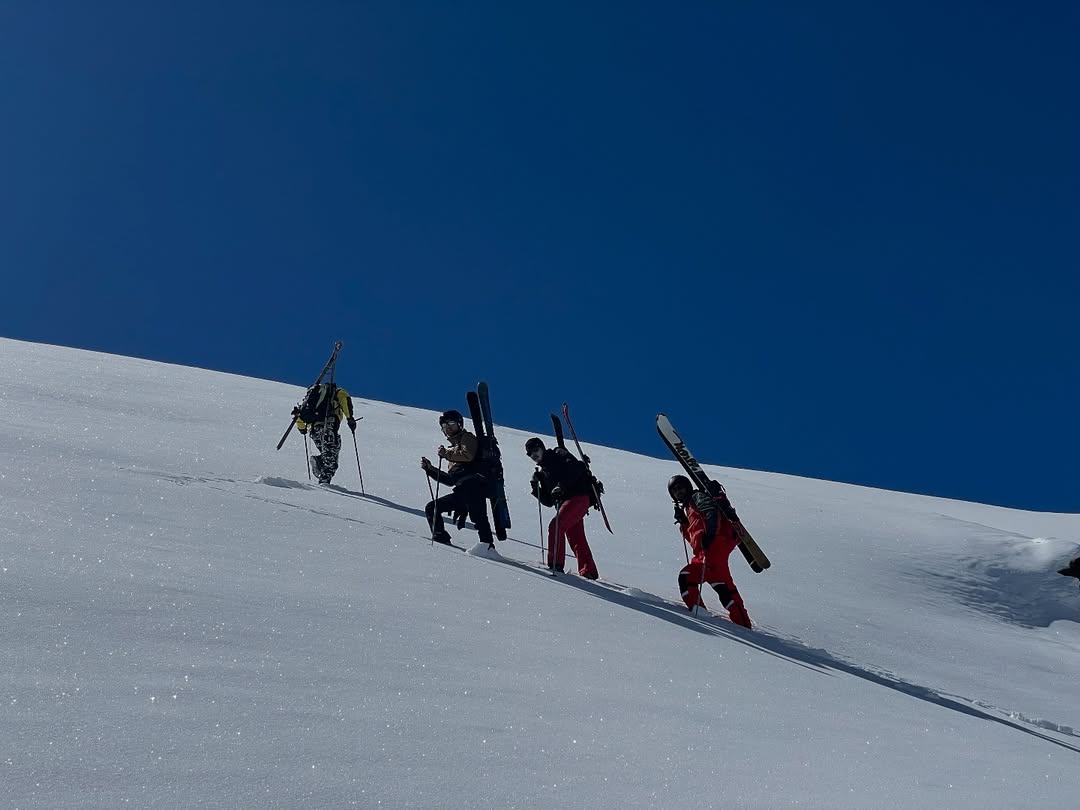
Winter in Drass is not only private endurance. Increasingly, it is also public celebration, framed through carnivals and community events that put cold-weather culture on display without pretending it is easy. In recent announcements for Drass winter carnivals, the emphasis is not limited to skiing; it extends to a broader idea of winter life—sport alongside cultural programmes, local participation alongside visitors, a calendar that makes winter visible rather than something to hide from.
For travellers, these events provide a different point of entry. They offer a reason to stay rather than simply pass through. They also reveal how winter sports are being positioned in the region: not as an imported luxury, but as a local competence that can sit beside music, food, and community gathering.
In a place where tourism narratives often lean on extremes, this is a subtler story. A winter carnival is, in essence, an administrative decision: permits, coordination, schedules, safety. Yet it produces a human result—people gathered outdoors in cold light, talking in small knots, watching young participants attempt a run, applauding not because it is spectacular but because it is theirs.
The small economy of equipment and care
Skiing brings with it a micro-economy that is rarely discussed in promotional material: boots that must dry, gloves that must be repaired, bindings that require adjustment, skis that need edges maintained. In Drass, where winter is long and resources must be used well, this economy becomes part of the story. Equipment is not disposable. It is shared, mended, cleaned, stored.
This practical attention is one of the reasons local training matters. If skiing is to become part of the region’s winter life rather than an occasional spectacle, the knowledge has to include care: how to keep gear functional, how to protect it from moisture and cold damage, how to teach safely on variable snow. These are the skills that do not appear in photographs but determine whether a winter sport can endure.
Leaving Drass with winter still present
What remains when the day ends
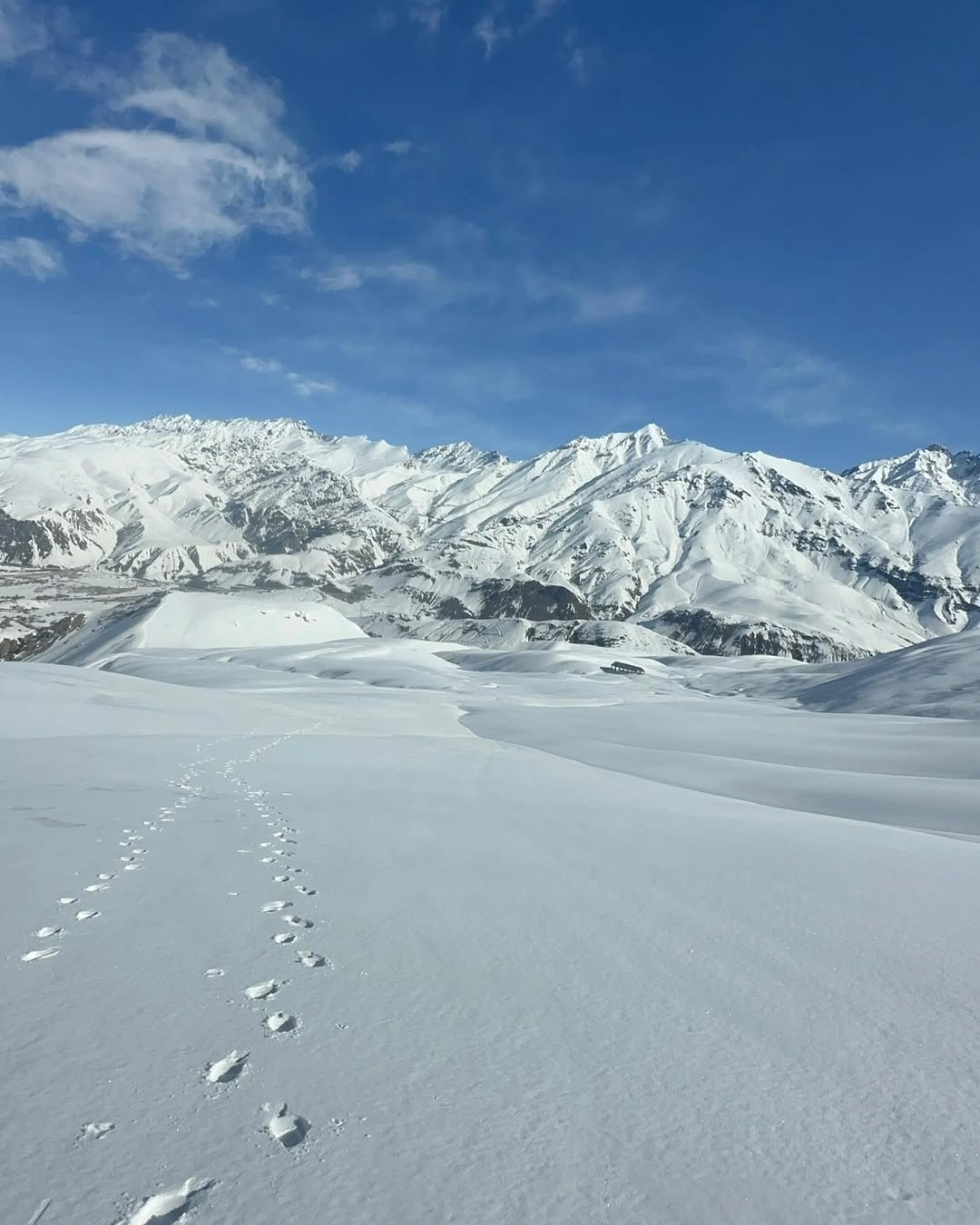
At the end of a day on the slope, the evidence follows you back down. Snow packed into boot treads drops in small chunks at the doorway. Gloves are hung where they can dry without stiffening. Tea returns, not as reward but as routine. The body carries its own inventory: thighs tired from repeated stance, shoulders sore from falls, wrists stiff from pushing up from the snow. In Drass, these details do not read as heroic. They read as ordinary consequences of spending time outside in winter and doing something that requires attention.
There is, in the late afternoon, a particular light that falls across the valley—thin, low, and unromantic. It turns snow into a surface of small reflections rather than a blank field. People move more quickly as temperatures drop. If you look back toward the slope, you can see the last runs carved into the day’s softened layer, soon to be tightened by night.
Drass does not insist on being a ski resort. It insists, quietly, on being a place where winter stays long enough for learning to become possible. The ambitions around Manman—lifts, grooming machines, a formal academy—may take time to mature. Yet even now, the basic elements are present: a long season, a slope suited to repetition, and a growing seriousness about instruction. For a traveller who values places that are still forming their own rhythm, Drass offers winter not as spectacle, but as a working season with room to return.
Sidonie Morel is the narrative voice behind Life on the Planet Ladakh,
a storytelling collective exploring the silence, culture, and resilience of Himalayan life.