

Ladakhi Fashion Revival: Discover Padma Yangchan’s Journey in Revitalizing Ladakhi Heritage Through Fashion and Cuisine
Introducing Padma Yangchan, the visionary co-founder of Namza, dedicated to resurrecting the rich traditions of Ladakh through both haute couture and culinary delights.
Born and raised in Ladakh, Padma Yangchan’s early life was steeped in the vibrant culture of the region. Her educational journey took her from a boarding school in Chandigarh to higher studies in Delhi and London. With an insatiable curiosity for diverse cultures, Padma’s travels have always been guided by a love for local cuisines, indigenous traditions, and traditional crafts. In 2016, she and her partner Disket established Namza with a clear goal: to champion and preserve the cultural heritage of Ladakh. Their innovative efforts have earned them prestigious accolades, including the Nari Shakti Puraskar from the President of India, the State Award from UT Ladakh, and the Women Entrepreneur of the Year title by MSME India.
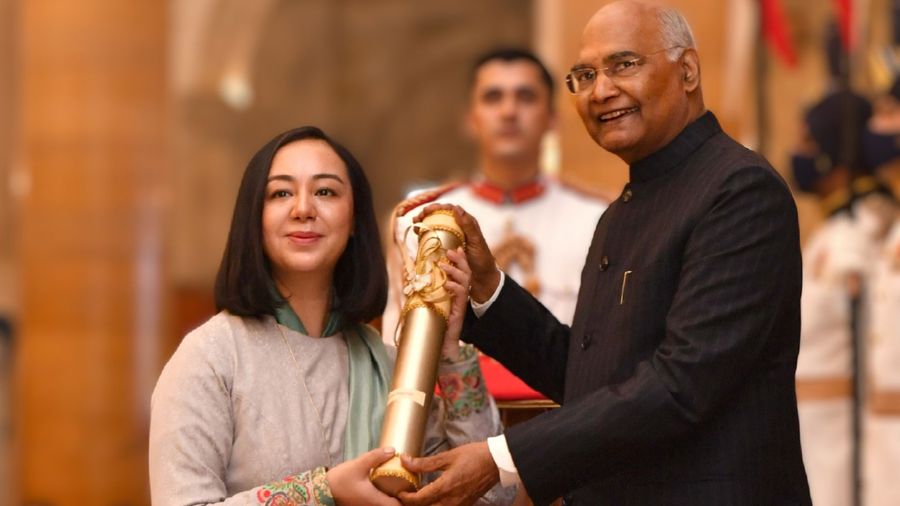
Here are highlights from our conversation with Padma Yangchan:
Your venture combines the worlds of fashion and food in a region renowned for its breathtaking landscapes and spiritual depth. Can you share your experiences on this journey?
Padma Yangchan: My journey with Namza Couture began with a deep-seated passion for fashion, art, and craft. However, my love for food has always been a driving force. The idea to integrate culinary arts into our business emerged organically from having a farm adjacent to our couture house.
When I first launched Namza Dining, Ladakhi cuisine was relatively unknown. I was surprised by the overwhelming interest it attracted from across India. We faced initial challenges, such as our French chef from Delhi struggling with the harsh Ladakhi climate. This experience highlighted the complexities of introducing fine dining to such a unique environment. Despite having no formal training in culinary arts or restaurant management, I was resolute in my mission. I delved deeply into researching Ladakhi cuisine, discovering that much of it was undocumented. This led me to travel to remote areas of Ladakh, where I learned traditional cooking methods directly from local communities.
At Namza, both our fashion and dining ventures aim to honor and maintain traditional practices. Namza Couture integrates traditional craftsmanship with modern fashion, while Namza Dining offers an authentic Ladakhi culinary experience. The response has been incredibly positive. Guests are drawn to the genuine and unique experience we offer at Namza Dining, and Namza Couture has successfully merged traditional aesthetics with contemporary trends.
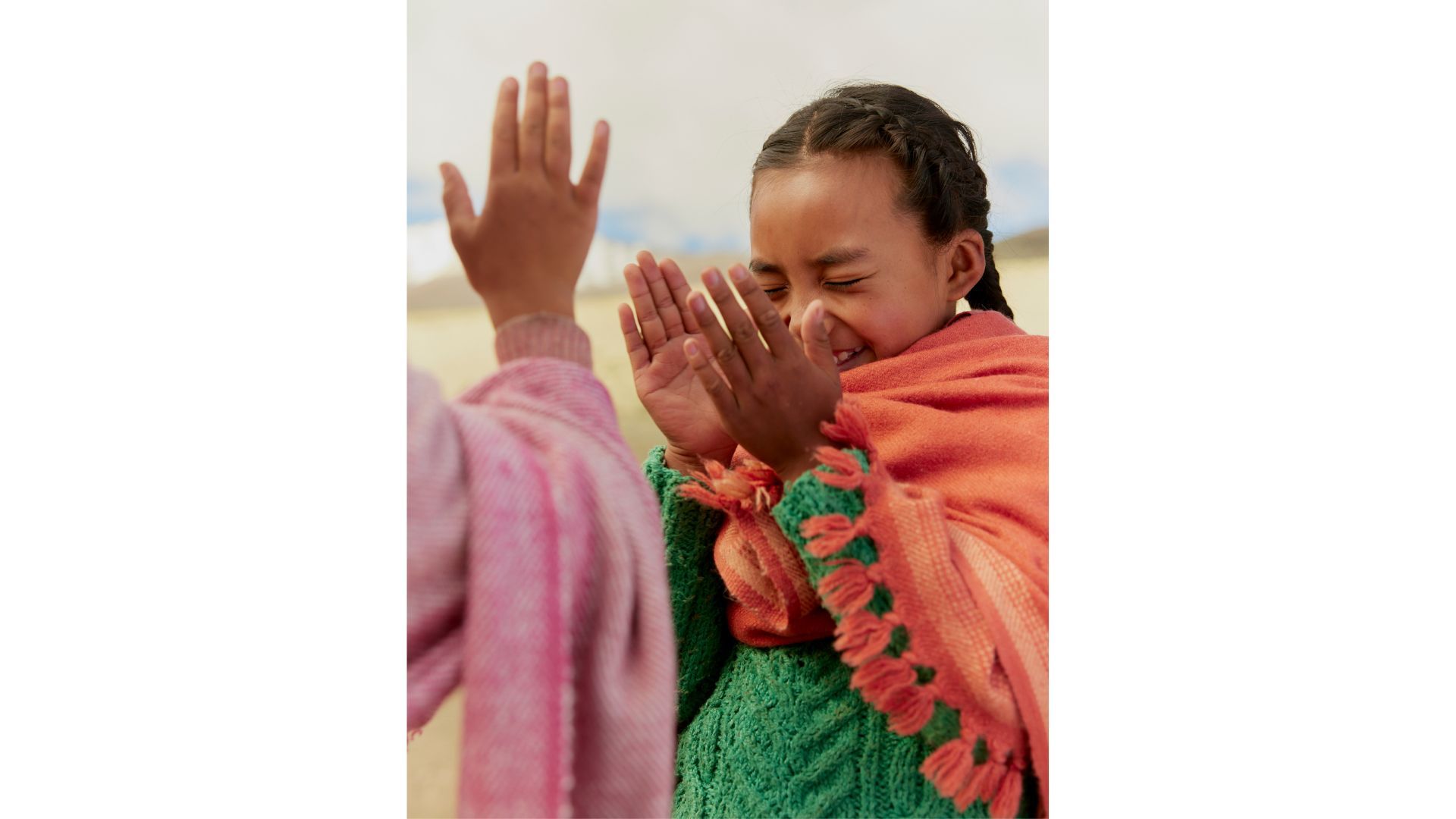
How Have You Revitalized and Preserved Traditional Ladakhi Fashion?
Padma Yangchan: Unearthing the roots of Ladakhi fashion posed quite a challenge due to the scant documentation and the common practice of discarding old garments. Nevertheless, we managed to trace traditional attire back to the Silk Route era.
To our surprise, we discovered that some Ladakhi families historically wore exquisitely luxurious garments, including brocade fabrics interwoven with gold threads. We also learned that the region had a fascination with Ikat prints, a technique that seems to have originated in Kashgar, Xinjiang, China, and remains popular there today. The traditional prints, embroideries, and fabrics found in Ladakh also reflect influences from across Central Asia.
Traditional Ladakhi garments exhibit a striking similarity in their silhouettes, with variations primarily in headgear. In the Brokpa valley, attire is notably vibrant, featuring ornate flower headgear and distinctive jackets. Meanwhile, the Balti community prefers white jackets that resemble contemporary overcoats, and women often combine salwar-suits with traditional Kar (capes).
At Namza, we focus on reviving these historical pieces by incorporating traditional fabrics into modern designs. We maintain traditional silhouettes but infuse them with vibrant colors and rich silks. While historical garments were typically in black, white, and maroon, we introduce a broader color palette and intricate hand embellishments, preserving the essence of the original designs.
What Do You Find Most Rewarding About Reviving Ancient Arts and Crafts?
Padma Yangchan: Reviving age-old techniques and reimagining them in a modern context creates a captivating link between history and the present. The most fulfilling aspect of this work is safeguarding cultural heritage. Each piece we craft not only celebrates traditional skills but also honors the artisans who perfected these techniques centuries ago.
Maintaining this balance requires a careful approach: respecting the authenticity of traditional methods while infusing them with contemporary creativity. My goal is to foster a deeper appreciation for traditional craftsmanship and inspire others to explore their own cultural heritage. By reinventing these ancient arts, we can forge meaningful connections between the past and the future.
What Are the Biggest Challenges You Face?
Padma Yangchan: One of the greatest hurdles in this endeavor is sourcing genuine materials and tools. Many traditional resources are scarce or no longer manufactured, necessitating thorough research and creative solutions. Adapting ancient techniques to modern materials often involves a lot of trial and error, which can be quite frustrating. Old methods may not seamlessly integrate with contemporary production demands, requiring patience and persistence to achieve the right balance. Ensuring cultural and historical accuracy is crucial, yet the lack of documentation or misinformation can complicate this task. Striking the right balance between preserving tradition and embracing innovation can feel like walking a tightrope, balancing respect for heritage with the drive for creativity. However, the passion for craftsmanship and the thrill of discovery make the process deeply rewarding.
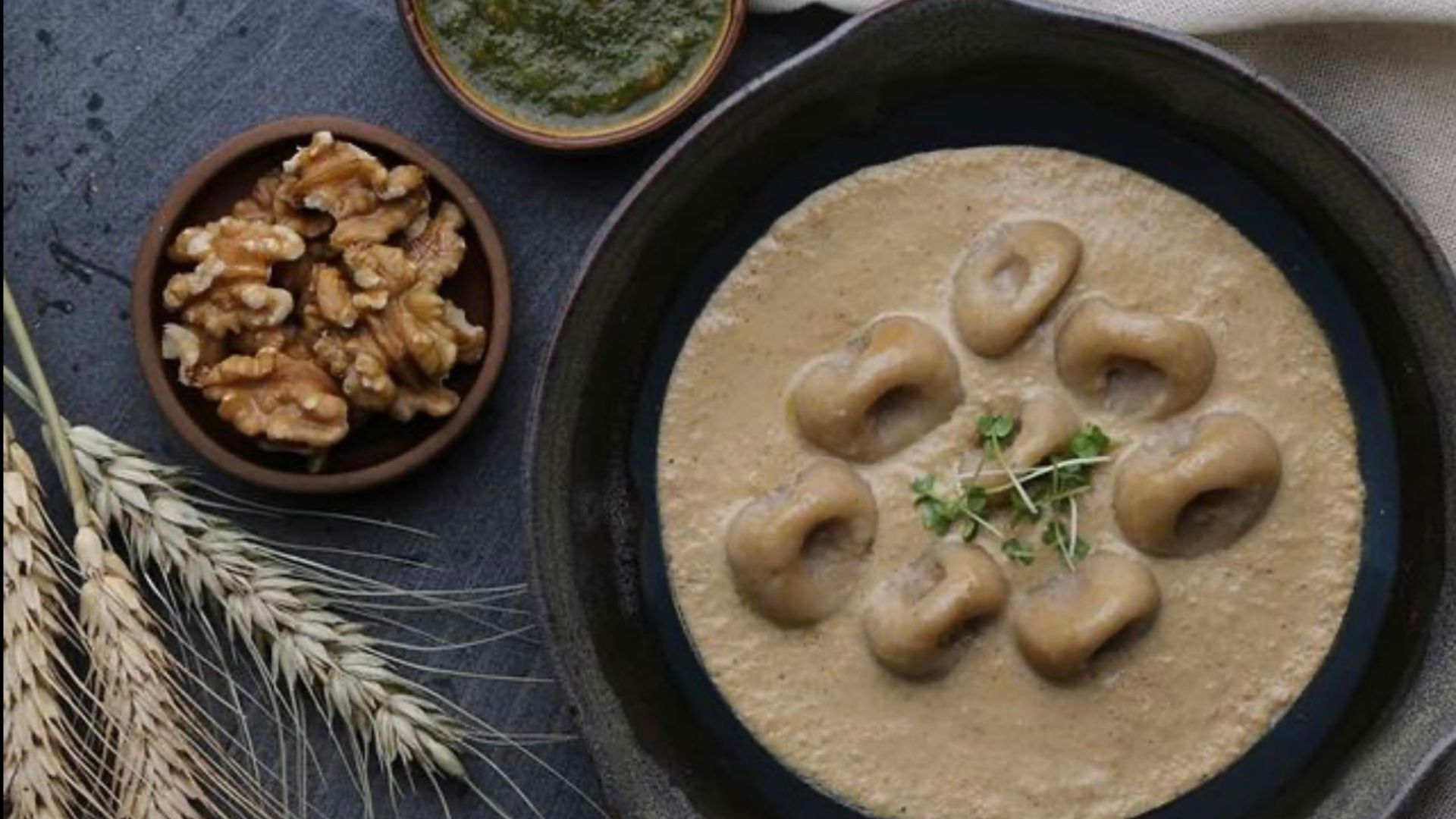
How Are Ladakhi Ingredients, Recipes, and Techniques Carving Out a Niche in Culinary Experiences?
Padma Yangchan: Ladakhi cuisine is deeply entrenched in tradition, with recipes passed down through generations. The cooking methods are designed to maximize nutritional value and preserve the natural flavors of the ingredients. Techniques like slow cooking and fermentation not only enhance taste but also ensure that the food is nutritious and easy to digest. These traditional methods, combined with unique local ingredients, offer a dining experience that is both distinctive and wholesome. The purity of Ladakhi ingredients, often wild-foraged herbs and spices, and produce grown in mineral-rich, high-altitude soils contribute to the robust, earthy flavors that are rare elsewhere. The simplicity of Ladakhi recipes allows these natural flavors to shine, making each dish unique and authentic. As awareness of Ladakhi cuisine grows, its appeal is likely to expand. There is potential for Ladakhi food to influence contemporary culinary trends, particularly due to its emphasis on sustainability and natural ingredients. Already, chefs around the world are experimenting with Ladakhi ingredients and techniques, paving the way for innovative and exciting dishes.
What Sparks Your Creative Inspiration?
Padma Yangchan: My first source of inspiration is my beloved homeland, Ladakh. I treasure the memories of a time when it remained untouched by Western influences. I recall the winters when villagers would gather to bask in the sun, spinning wool and enjoying simple pleasures like butter tea and traditional cookies made by my grandmother.
Secondly, I am deeply inspired by Ladakh’s rich and varied cultural heritage. Each ethnic group in the region has its own distinct traditions, shaped by the ancient Silk Route and Central Asian traders. Exploring these diverse cultures continually reveals new and fascinating aspects of my homeland, which I feel incredibly fortunate to uncover.
Lastly, I take immense pride in the fact that our work provides employment to around 60 local artisans. Seeing women stepping out of their homes to earn a living not only supports their families but also plays a crucial role in preserving and promoting our cultural heritage.