
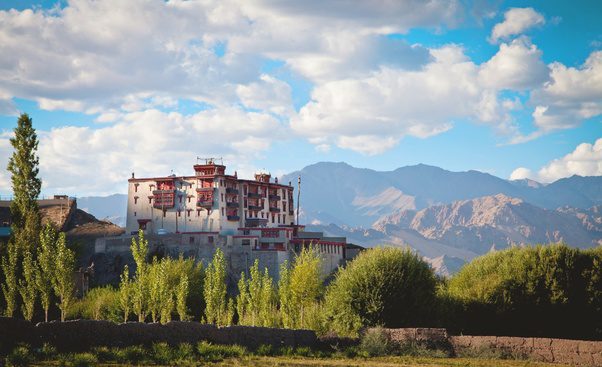
In this delicate landscape, the eco-lodges of Ladakh continue to uphold a way of life. Here, we introduce five establishments that aim to provide eco-friendly, sustainable stays while addressing over-tourism and environmental degradation in this mountainous region.
The Stok Palace Heritage Hotel in Ladakh, India, is still home to the Namgyal royal family, offering three suites to visitors. This 200-year-old residence stands as a testament to Ladakhi culture and art, nestled in one of North India’s most popular tourist destinations.
PHOTOGRAPH BY HH JIGMED NAMGYAL
By Charukesi Ramadurai
August 28, 2023
Hotelier Rigzin Namgyal nostalgically recalls a time when only truly curious and adventurous people visited Ladakh. When this region of North India opened to tourists in the mid-1970s, only a handful of backpackers embarked on the perilous mountain journey from Manali in the neighboring Himachal Pradesh, enduring long and arduous travels.
“They were invested in learning about our history, culture, and wildlife,” Namgyal says. “They gave up comfort, staying in local homes for the experience.”
However, after a Bollywood blockbuster in 2009 spotlighted the region’s breathtaking landscapes, and with the introduction of several short-haul flights from Delhi, Ladakh became flooded with tourists. Almost overnight, guesthouses and tour operators mushroomed without proper planning or regulation, placing immense strain on the fragile ecosystem of the high-altitude desert.
The Leh Palace, built in 1600, offers a spectacular view of the town of Leh, nestled at an altitude of 11,483 feet, one of the highest towns in the world, surrounded by the majestic Himalayas.
PHOTOGRAPH BY BRENDAN HOFFMAN, NAT GEO IMAGE COLLECTION
This former remote Shangri-La, cradled between the Karakoram and Himalayan mountain ranges, is now famous for its high-altitude passes, turquoise lakes, and Mahayana Buddhist monasteries. It has become a weekend getaway spot, perfect for Instagram.
“Now, there are more tourists, but they are not interested in the culture or adventures that Ladakh offers. They come, take pictures at Pangong Lake, ride camels in Nubra Valley, and leave without seeing anything,” says Rigzin Kharu, who built a boutique hotel on his ancestral land.
Snow leopard conservationist Behzad Larry notes how Ladakh has transformed from a land of self-sufficient agriculture, zero plastic use, and dry composting toilets to an environmental nightmare. Toxic fumes from overloaded landfills, depleted groundwater levels, and unprecedented flash floods have inflicted damage on the local ecosystem that far outweighs the economic benefits to the community.
Yet, amidst the construction of new large hotels every season, there is hope in the form of eco-lodges and boutique hotels established and run by those committed to conservation and community. This includes a return to traditional architecture with mud walls and locally available stone and timber, providing insulation during winters.
The royal suites at the Stok Palace Heritage Hotel are lavishly decorated, showcasing family heirlooms of the Namgyal family.
PHOTOGRAPH BY HH JIGMED NAMGYAL
The dining room at Stok Palace serves traditional Ladakhi dishes such as momo dumplings and thukpa soup.
PHOTOGRAPH BY HH JIGMED NAMGYAL
These activists aim to preserve a vanishing way of life, shifting tourists’ focus from obvious “tourist attractions” to alleviate congestion. They also strive to impart livelihood skills to the youth, preventing migration from small villages to already overcrowded cities like Leh and Delhi.
Kharu notes that training programs are often tailored for women. “Compared to other parts of India, women in Ladakh have more say in family matters and are key decision-makers. So, if we help women, the money goes in the right direction—toward education and development.”
Accommodation Information
Stok Palace: Part of this 200-year-old palace, still inhabited by the Namgyal royal family, has been converted into a boutique hotel with a few rooms. Carefully preserved murals and family heirlooms are artfully displayed, and the palace, built entirely by local artisans, exemplifies regional architecture. Besides supporting the education of village children, the family also supports and showcases traditional crafts and culture through art, music, dance, and textiles.
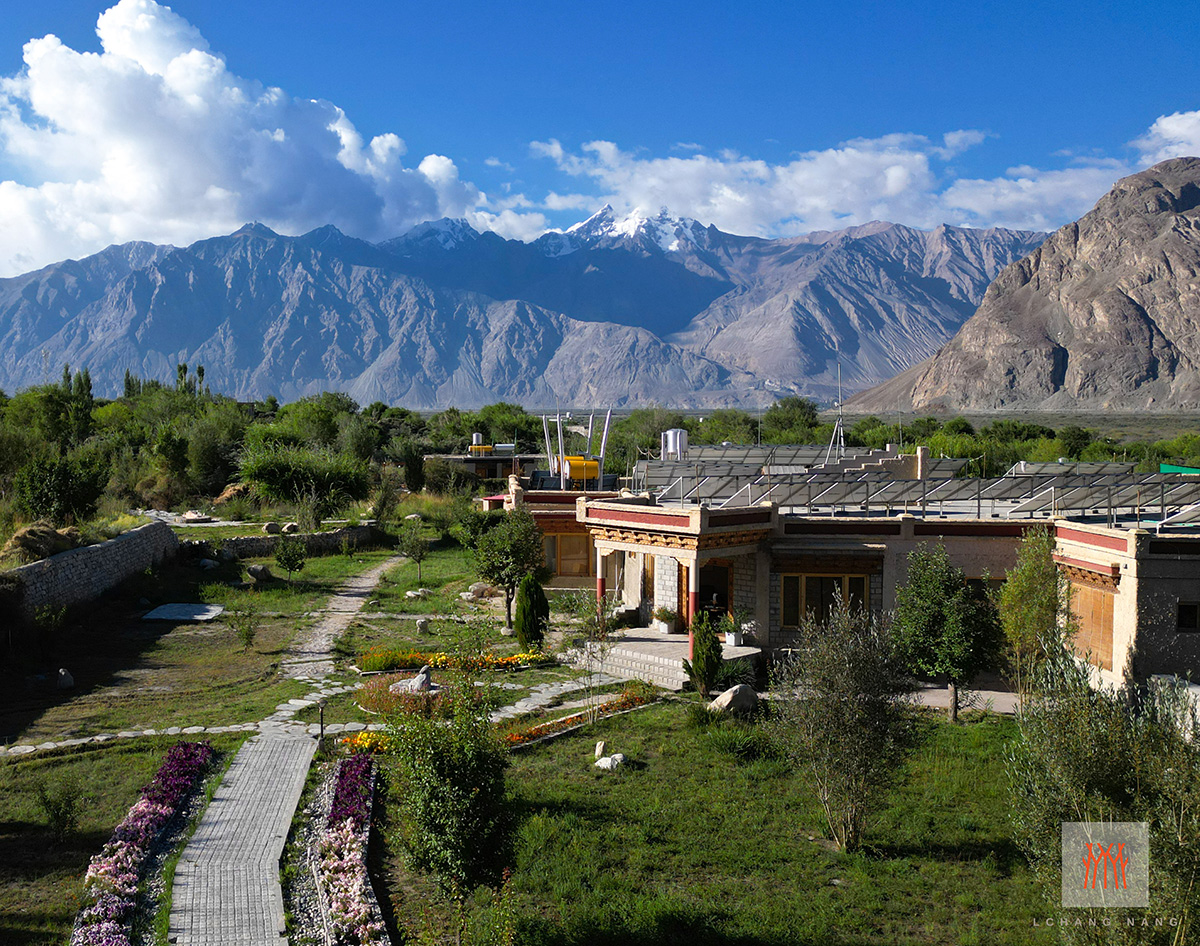
Lchang Nang: Meaning “house of trees,” this nearly entirely solar-powered homestay sits in an orchard in a small village in Nubra Valley. Owner Rigzin Kharu aims to provide a complete ecotourism experience, offering a glimpse into local cuisine, culture, and crafts. In addition to nature activities like stargazing and mountain biking, guests can visit local homes, sip barley tea in kitchens, and learn about the nuances of Ladakhi cuisine.
Twilight illuminates the thousand-year-old Lamayuru Monastery, one of the oldest in Ladakh, located about 125 kilometers from Leh.
PHOTOGRAPH BY ALEX TREADWAY, NAT GEO IMAGE COLLECTION
Rumbak Remote Camp: This wildlife camp is owned and operated by conservationist and professional trackers Dorje Stanzin and Abdul Rashid. Behzad Larry, who handles sales, states, “Responsible tourism reduces human-nature conflict, protecting not just the snow leopard but its entire ecosystem.” Conscious decisions to reduce the impact on the land led the owners to open another camp in a neighboring village rather than adding rooms to the existing one.

Ladakh Sarai: Tara Mountain Sarai, located in the remote and wild Zanskar Valley, is the latest boutique offering from Ladakh Sarai. Based on the idea of “fewer rooms, better experiences,” owner Rigzin Namgyal has expanded camps across Ladakh, from mud-walled chalets on the outskirts of Leh to luxurious tents by Pangong Lake and in Nubra Valley. Namgyal emphasizes a commitment to water management, aiming for zero fossil fuel use in all facilities.
.jpg "Discover Ladakh Eco-Lodges: Sustainable Luxury and Authentic Experiences in the Heart of the Himalayas 7")
Himalayan Farmstays: To experience authentic Ladakhi life, choose these homestays set up by the Himalayan Institute of Alternatives, Ladakh (HIAL). Guests can dine with families in kitchens, savoring unique Ladakhi dishes like crusty kanbil wheat bread and chhutagi (noodle soup with meat and vegetables). Visitors can also help with farming on small plots attached to the homes. Currently, this network covers two villages: Phyang near Leh and Tarchit, a few hours’ drive away.
Travel Information
Take a direct flight from Delhi to Leh, from where you can embark on short trips to monasteries and mountain lakes.
Spend a few days acclimatizing in Leh first.