


In our increasingly complex world, where we measure success by accumulation and expansion, there exists a remarkable place that challenges everything we think we know about what makes a fulfilling life. High in the trans-Himalayas, where the air is thin and the landscape appears almost barren, the people of Ladakh have quietly perfected something most of us are still searching for: true contentment through living small.
Ladakhis have proven that a satisfying life can be lived, even with minimal natural resources, through cooperative spirit – an invaluable lesson for our modern world. What strikes visitors most isn’t just the breathtaking moonscape of mountains and valleys, but the radiant sense of abundance that emanates from people who, by conventional standards, have very little.
Ladakhis follow an unwritten policy of ‘basic and bare minimum’ that is practiced religiously in their daily lives. This isn’t deprivation – it’s liberation. Every object can be put into use, recycled, repositioned into something else. Field fences double as clotheslines, tin cans protect young plants from hungry cattle, and tree branches become impromptu shelves. This mindset transforms what others might see as limitations into opportunities for creativity and resourcefulness.
A Ladakhi lifestyle makes you ‘Atmanirbhar’ or self sufficient and independent in the true sense. Most locals juggle multiple roles – guide, taxi driver, farmer – shifting seamlessly with the seasons. During the brief tourist months, they welcome visitors from around the world. Come winter, they turn inward, tending to their animals, preserving food, and strengthening community bonds. This rhythm reflects an understanding that security comes not from one source of income, but from multiple skills and deep community connections.
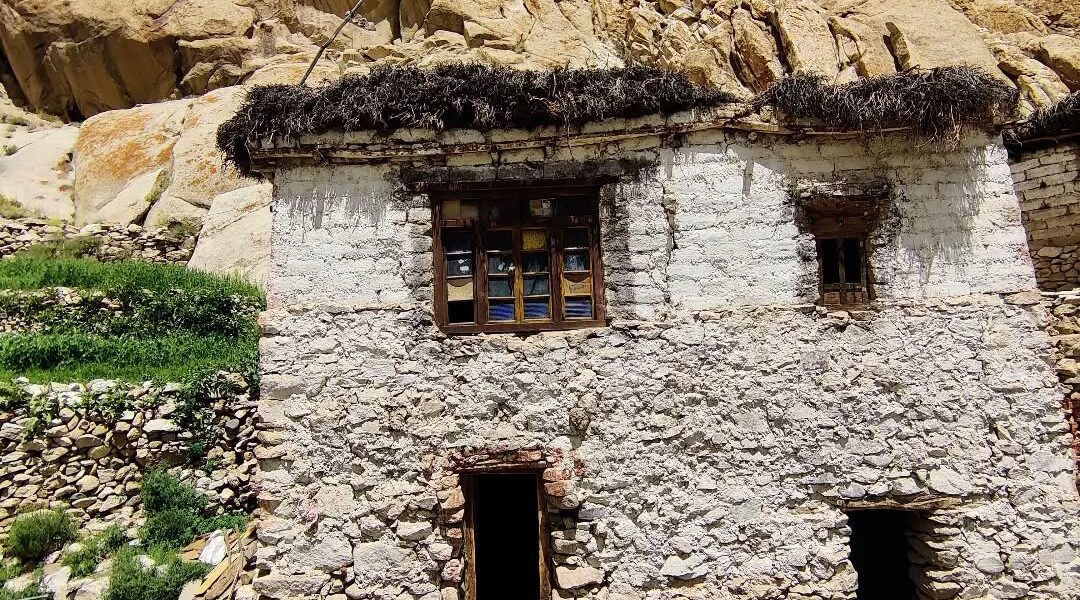
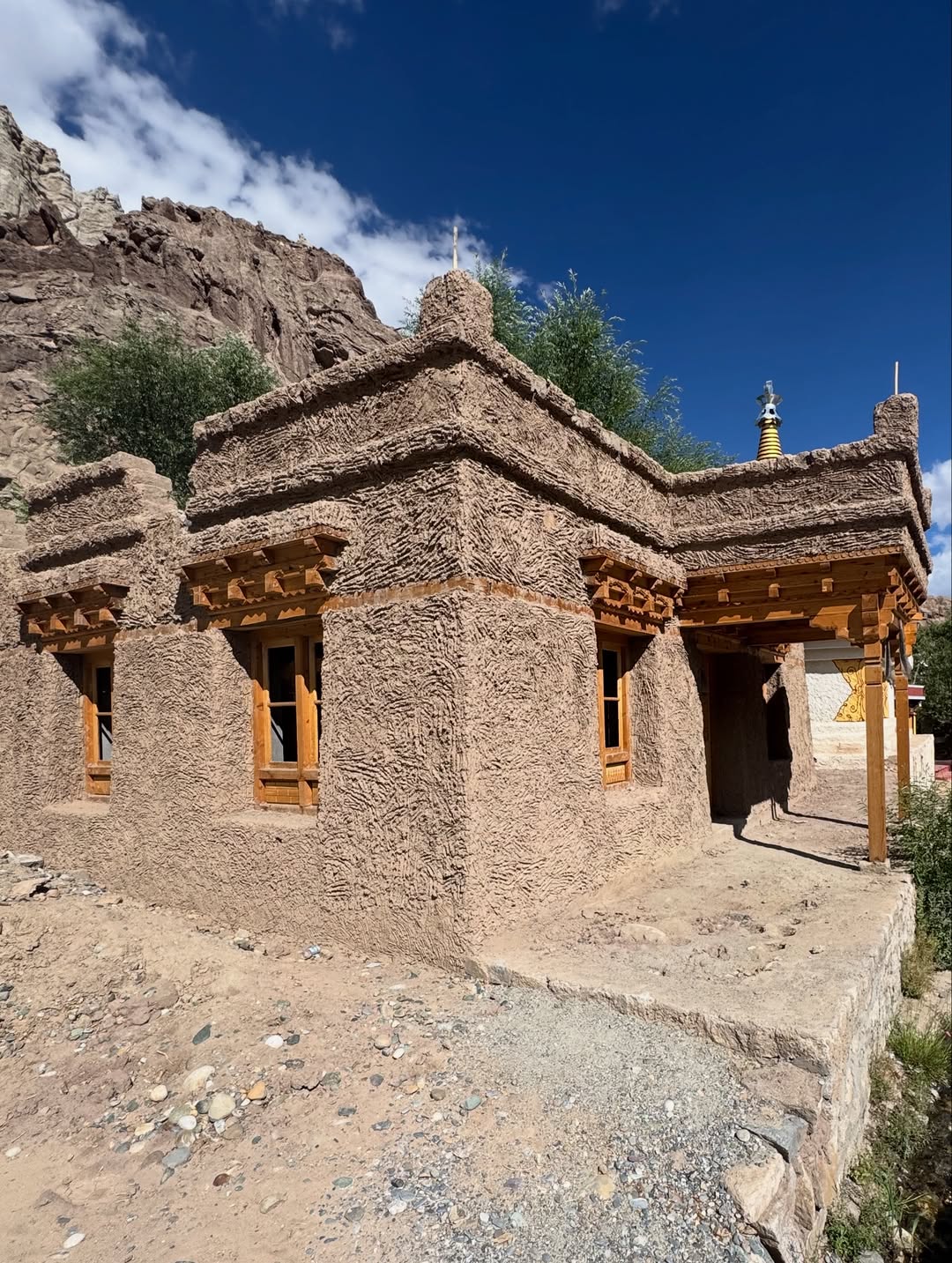
The architecture of Ladakhi homes tells its own story about living small. Traditional houses are built into hillsides, using local stone and mud brick, with flat roofs that serve as additional living space during summer and storage for winter fuel. These homes aren’t sprawling mansions but carefully designed spaces where every room serves multiple purposes. The kitchen is the heart of the home, where families gather around the central fire that provides warmth, light, and a place to cook meals made from their own harvest.
A notable feature of the people of Ladakh is that they have a close bond with each other. During the harvest season, everyone from the community cultivates each other’s fields. This practice, deeply embedded in Ladakhi culture, reveals how living small paradoxically creates abundance. When individual households don’t compete but collaborate, the entire community prospers.
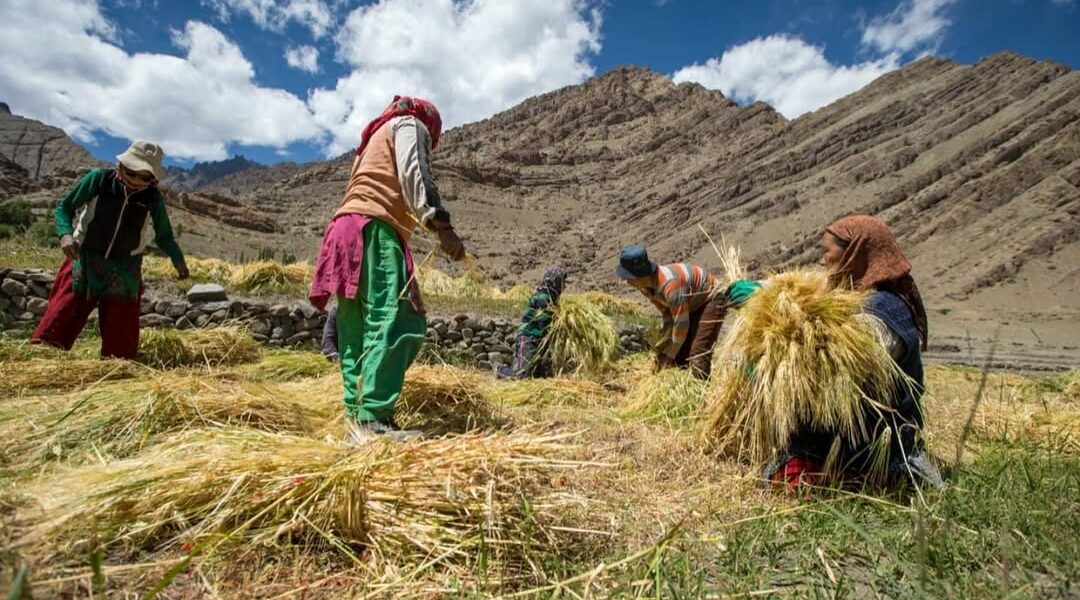
The people of Ladakh are also close to the earth. They cultivate their land in an eco-friendly manner and strive to recycle the things they use. This relationship with the land isn’t sentimental but intensely practical. In a region where the growing season is barely four months long and every resource must be carefully conserved, waste isn’t just inefficient – it’s impossible.
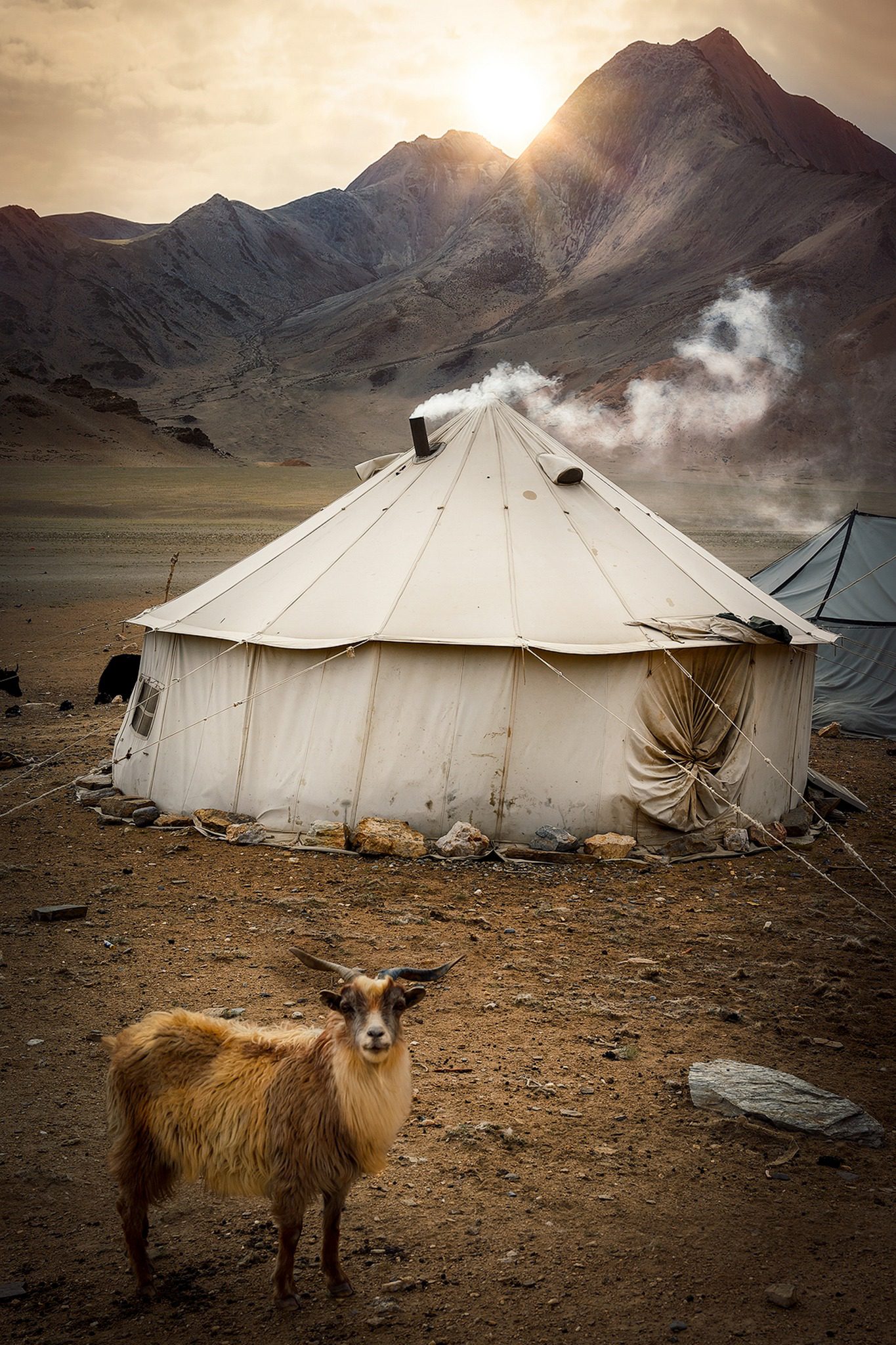
The nomadic communities of Ladakh offer perhaps the most extreme example of living small. Ladakhi nomads live in tightly knit communities where every individual has a role to play. Family structures are often multigenerational, with children, parents, and grandparents working together to tend livestock, build tents, and gather resources. Their entire material world fits into portable shelters, yet these communities have thrived for centuries in one of Earth’s harshest environments.
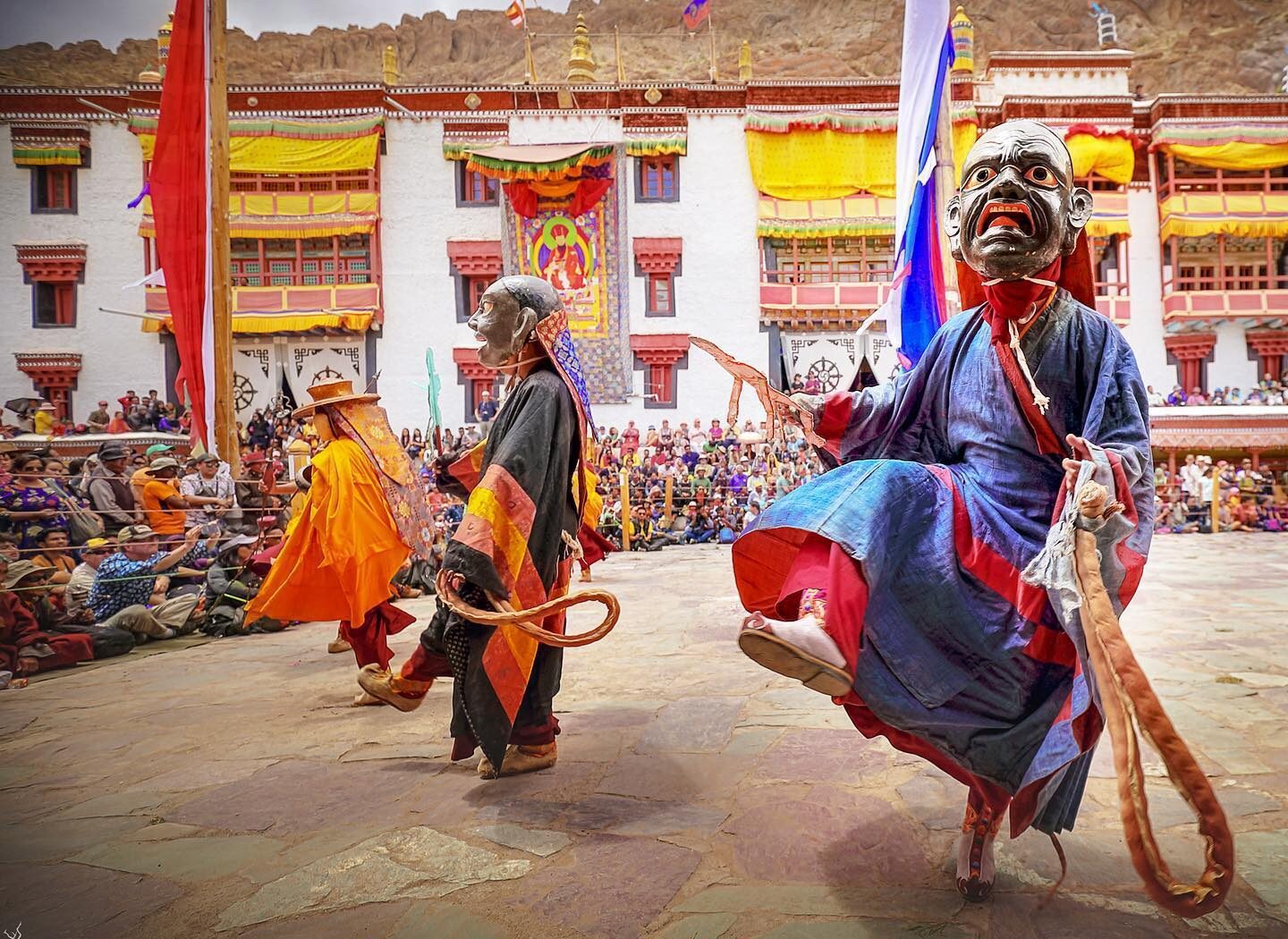
What makes Ladakhi small living so compelling isn’t just the minimalism – it’s the richness that emerges from it. The people of Ladakh are jovial by nature. They love celebrating their culture and history. Festival days transform entire villages into stages for masked dances, traditional music, and communal feasting. These celebrations don’t require expensive venues or elaborate decorations – the community itself is the entertainment.
The Ladakhi approach to property and inheritance also reflects their philosophy of living small. Traditionally, the eldest son inherits the family land and house, while younger sons must find their own way. Rather than creating resentment, this system prevents land fragmentation and encourages innovation. Younger sons often become traders, craftsmen, or monks, contributing to the community’s diversity while ensuring the family farm remains viable.
Modern pressures are testing these time-tested ways. Sustainability lies at the heart of Ladakh tourism in 2026. Tourism growth in Ladakh is being guided by balance rather than speed, and by long-term stewardship rather than short-term gains. As the region opens to the world, there’s a careful dance between sharing their wisdom and protecting their way of life.
Local communities, environmentalists, and policymakers have embraced the concept of eco-villages as a sustainable solution for preserving Ladakh’s fragile ecosystem and cultural identity. These initiatives prove that living small isn’t about going backward – it’s about moving forward thoughtfully, integrating the best of traditional wisdom with modern innovations.
The village of Tar exemplifies this balance. Once nearly abandoned, Tar is now thriving again – thanks to ecotourism that prioritizes long-term stays, cultural exchange, and environmental stewardship. Visitors don’t just pass through; they participate in daily life, learning traditional skills and contributing to the community’s wellbeing.
For those of us living in societies where bigger is usually considered better, Ladakh offers a different vision of success. It’s not about having less for the sake of having less – it’s about understanding what truly matters. In Ladakhi culture, wealth isn’t measured by individual accumulation but by community resilience, environmental harmony, and the richness of human relationships.
The freedom that comes from living small isn’t the absence of things – it’s the presence of purpose. When your shelter is appropriate to your climate, your food comes from your own soil, your work serves your community, and your celebrations emerge from genuine joy rather than obligation, life becomes remarkably simple and surprisingly profound.
As we face global challenges of climate change, resource depletion, and social fragmentation, Ladakh’s ancient wisdom about living small offers hopeful possibilities. If in its efforts to modernize, Ladakh can avoid the common pitfalls of development, blending the best of the old and new, it can also demonstrate to the rest of the world the principles for responsible change.
Perhaps the most important lesson from Ladakh isn’t that we should all live in stone houses and grow barley. It’s that contentment doesn’t come from having more, but from needing less, sharing more, and finding our place within the intricate web of community and landscape that sustains all life. In a world that often feels overwhelming in its complexity and demands, Ladakh whispers a gentle truth: sometimes the biggest freedom comes from choosing to live small.
About the Author: Junichiro Honjo is the founder of LIFE on the PLANET LADAKH, a sustainable tourism initiative dedicated to sharing Ladakh’s timeless wisdom while preserving its unique culture and fragile ecosystem. Through responsible travel experiences and community partnerships, LOTPL helps visitors discover not just the beauty of Ladakh’s landscapes, but the profound lessons embedded in its people’s way of life. Junichiro believes that tourism, when practiced mindfully, can be a bridge between cultures and a force for positive change.