


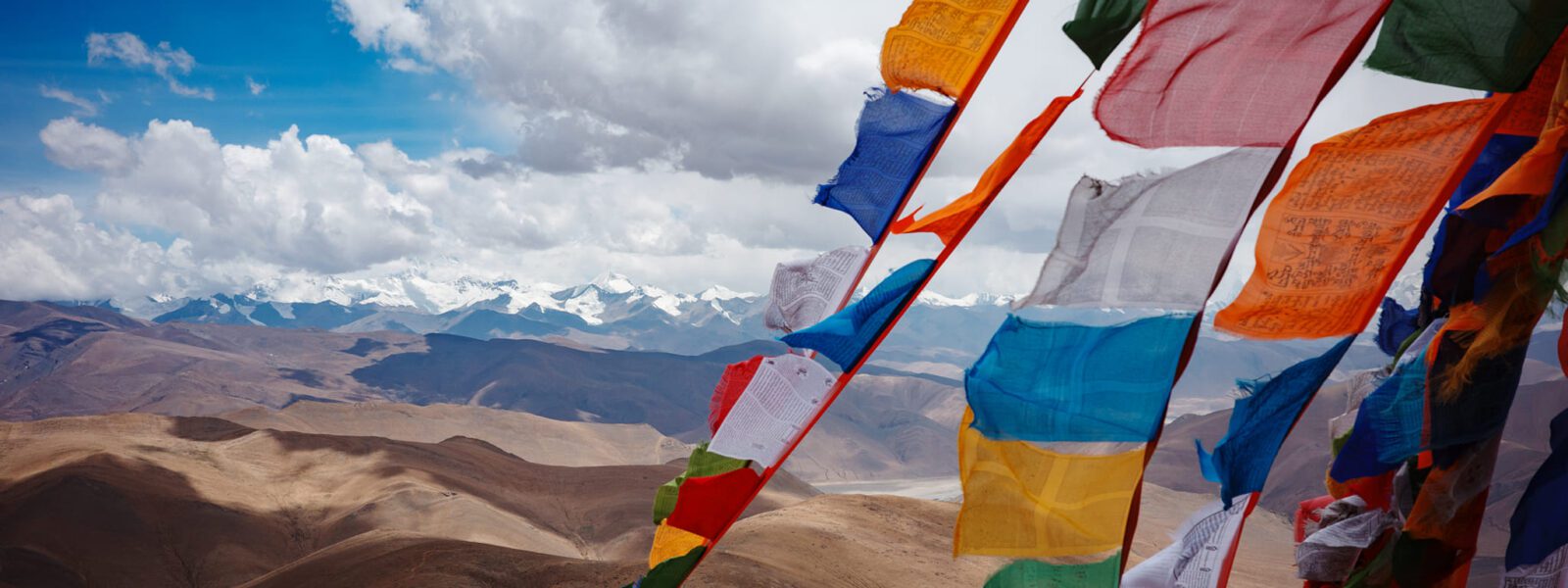
Nestled between the towering Karakoram and Himalayan ranges in northern India, Ladakh is a sanctuary of Buddhist calm that beckons adventurous souls from around the globe. This high-altitude desert, often called “Little Tibet,” offers some of the world’s most spectacular trekking experiences, where ancient culture meets breathtaking wilderness at altitudes that scrape the sky.
For trekking enthusiasts, Ladakh is a great place for adventure tourism in India. It offers a variety of adventure sports and outdoor activities. Trekking is one of the most popular adventure sports that can be enjoyed during a Ladakh trip. The region’s unique position as one of the few Himalayan areas best visited during summer months makes it an ideal destination for those seeking high-altitude adventures.
The Crown Jewels of Ladakh Trekking
Markha Valley Trek stands as easily the most beautiful trekking experience in Ladakh. The trek mostly lasts 6–9 days, taking you through remote villages like Rumbak and Markha, and offers a glimpse into traditional Ladakhi life. The journey provides stunning and constantly changing landscapes, with high mountain passes, deep gorges, and wide open valleys. The route passes through authentic villages where traditional life continues quietly, and there are very few other trekkers, which makes the journey feel even more special.
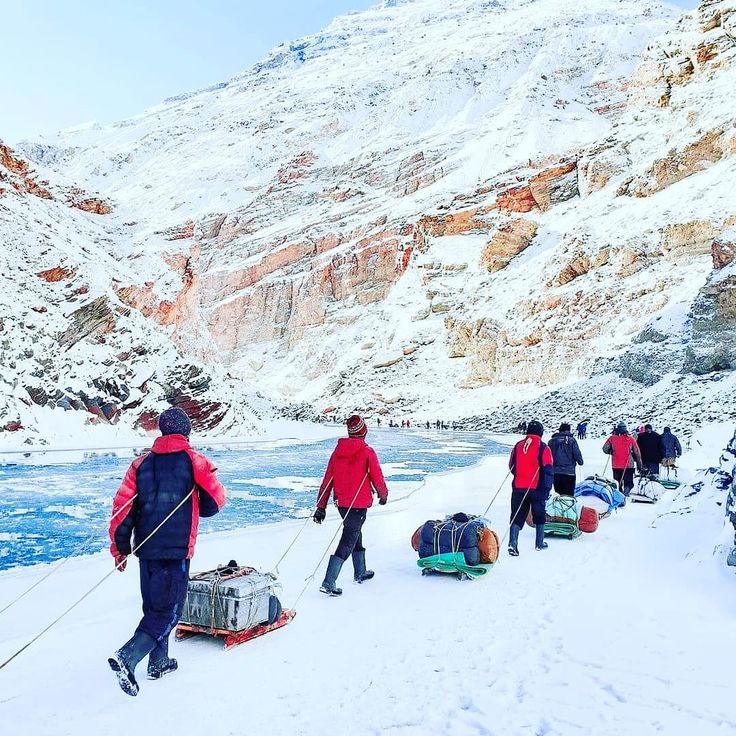
The legendary Chadar Trek represents perhaps the most unique adventure in the world. Over the years, the Chadar trek has become the “next big thing” in Ladakh and it is easy to see why. Walking on the frozen Zanskar River that stretches 105 km in mind-numbing temperatures (-25 to -35 degrees) tests the limit of the trekkers. This winter expedition lasts about 8–9 days, covering approximately 105 kilometers, with temperatures plummeting to -30°C.
Gateway Treks and Hidden Valleys
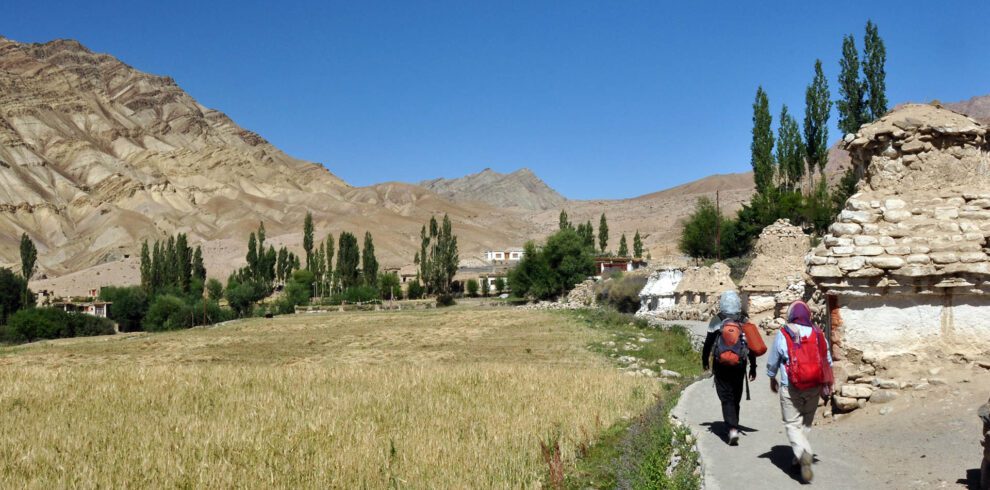
The Sham Valley Trek, affectionately known as the “baby trek,” provides the perfect introduction to Ladakhi trekking. Often called the “baby trek” because of its easy nature, the Sham Valley trek offers some picturesque views to trekkers. If you are looking for an easy trek suited for your kids, this is the one for you. It never goes above 4,000 metres and can be done throughout the year. This accessible route passes through picturesque villages like Likir, Yangthang, and Hemis Shukpachan, offering insights into rural Ladakhi culture. The trail features ancient monasteries, apricot orchards, and barley fields, making it a peaceful and beautiful journey.
The remote Zanskar Valley offers perhaps the most untouched trekking experience. Zanskar is one of the most remote areas in Ladakh and that is where its beauty lies. This 10-day trek from Padum to Lamayuru covers ancient monasteries, small villages, and the beautiful landscapes of the Zanskar range — along with sceneries of exceptional beauty and a unique culture all its own.
Cultural Immersion Through Trekking
What sets Ladakhi trekking apart is the deep cultural immersion it provides. Trekking in Ladakh is a great way to explore remote mountain hamlets and magnificent Buddhist monasteries. The region’s rich Buddhist heritage comes alive as trekkers encounter monasteries and gompas that are still central to the lives of the Ladakhi people — alongside the many festivals and cultural traditions that illustrate the deep Buddhist roots of the region.
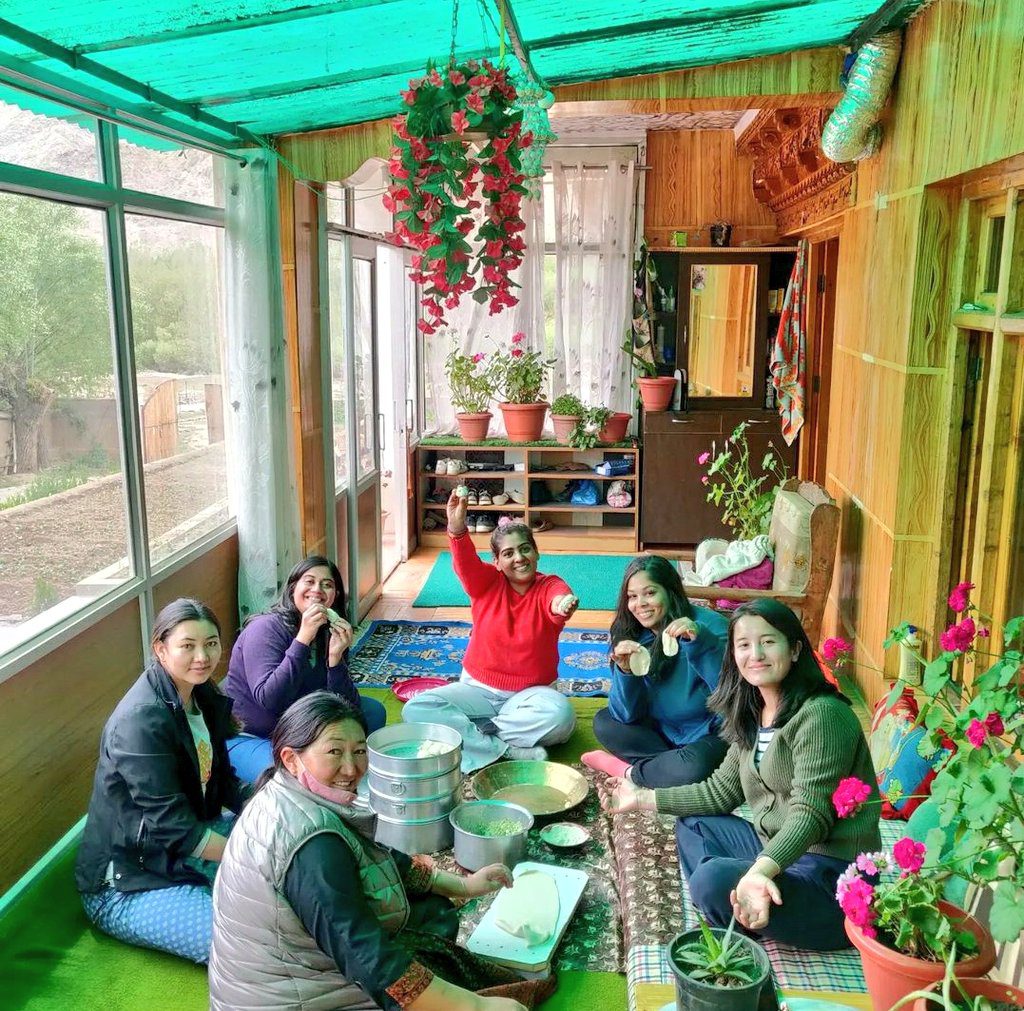
Many treks offer opportunities to stay in traditional homestays, where small villages along the route welcome trekkers for the night with authentic local cuisine prepared by local families. These encounters provide genuine insights into a way of life that has remained unchanged for centuries.
When to Trek and What to Expect
The best time for trekking in Ladakh is from May to October, though some treks are only possible from early July due to heavy snowfall on the mountain passes. Summer (June to September) is ideal for trekking through Markha Valley, Sham Valley, Nubra Valley, and other high-altitude routes. Winter (January to February) is the season for the iconic Chadar Frozen River Trek, as the Zanskar River freezes to form a natural path.
The diversity of difficulty levels ensures options for every trekker. Some treks take two weeks to complete while others can be done in three days — but any of them will leave you with unforgettable memories. First-timers and families with kids can opt for an easy trek, while those looking for a challenge can choose longer routes crossing multiple passes above 5,000 metres.
Essential Preparation
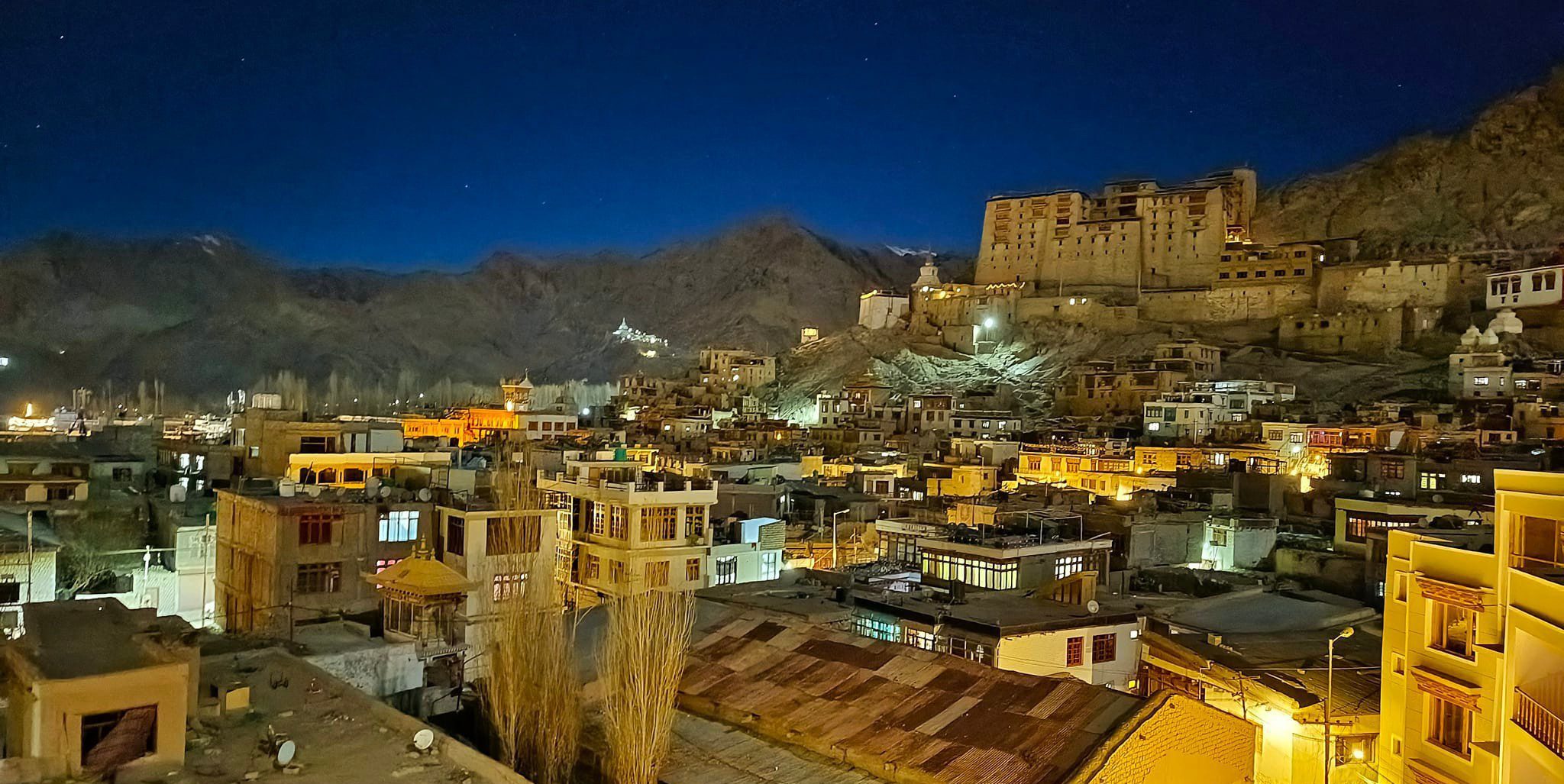
Successful trekking in Ladakh requires proper preparation. The high altitude means it’s important to spend a few days in Leh to acclimatize before starting any strenuous activities. Upon arrival, you might be keen to explore the magnificent Leh Palace or the white-domed Shanti Stupa, but with the city sitting at 3,500m above sea level, take the time to catch your breath. A gentle stroll in the bazaar and plenty of water are essentials for day one.
The rewards of trekking in this extraordinary landscape are immeasurable. Trekking in Ladakh is a spiritual, cultural, and physical journey. Each trek offers a unique perspective of Ladakh’s rugged beauty — whether you seek the spiritual calm of the Sham Valley or the raw challenge of the frozen Chadar, Ladakh promises adventure at every turn. Every step reveals new wonders — from prayer flags fluttering against azure skies to the sight of snow leopards stalking through pristine wilderness, from ancient monasteries perched impossibly on clifftops to the warm hospitality of village families sharing their traditional cuisine.
Ladakh’s trekking experiences offer more than just physical challenge — they provide a profound journey into one of the world’s last great wilderness areas, where the marriage of stunning natural beauty and rich cultural heritage creates memories that last a lifetime. For those ready to answer the call of the mountains, Ladakh awaits with open arms and endless horizons.
About the Author: Junichiro Honjo is the founder of Life on the Planet Ladakh (LOTPL), a sustainable tourism business dedicated to showcasing Ladakh’s natural beauty and cultural heritage while promoting responsible travel practices. With over a decade of experience in the region, Junichiro advocates for tourism that benefits local communities and preserves the pristine environment of this remarkable Himalayan destination.