


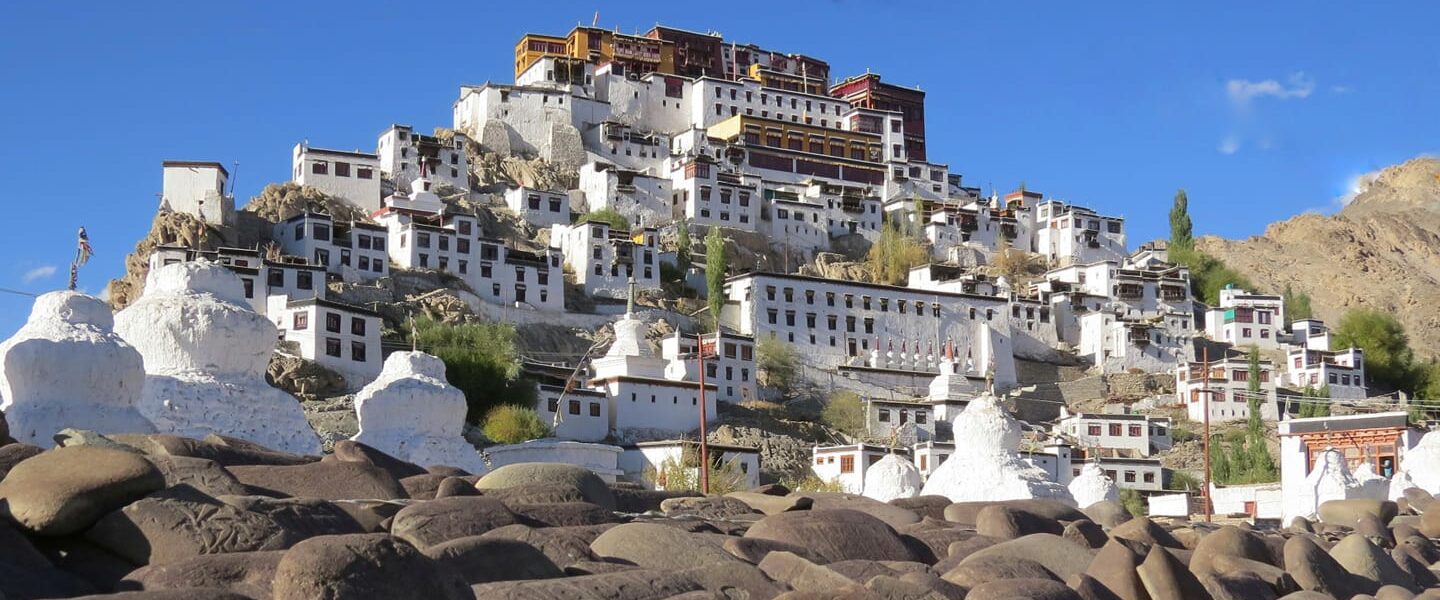
High in the Indian Himalayas, where the air grows thin and the landscape stretches into impossibly blue skies, lies Ladakh, a high-altitude desert nestled in the Indian Himalayas, often described as a ‘land of extremes.’ This remarkable region stands as a living museum of culture, where ancient traditions have endured for over a millennium despite the harsh mountain environment.
The story of Ladakh’s culture begins with its deep spiritual roots. Buddhism spread into western Ladakh from Kashmir in the 2nd century. Ladakh’s culture is deeply tied to Tibetan Buddhism, which reached the region around the 8th century. This spiritual foundation would shape everything from the region’s architecture to its daily rhythms of life.
The Monastery Heart of Culture
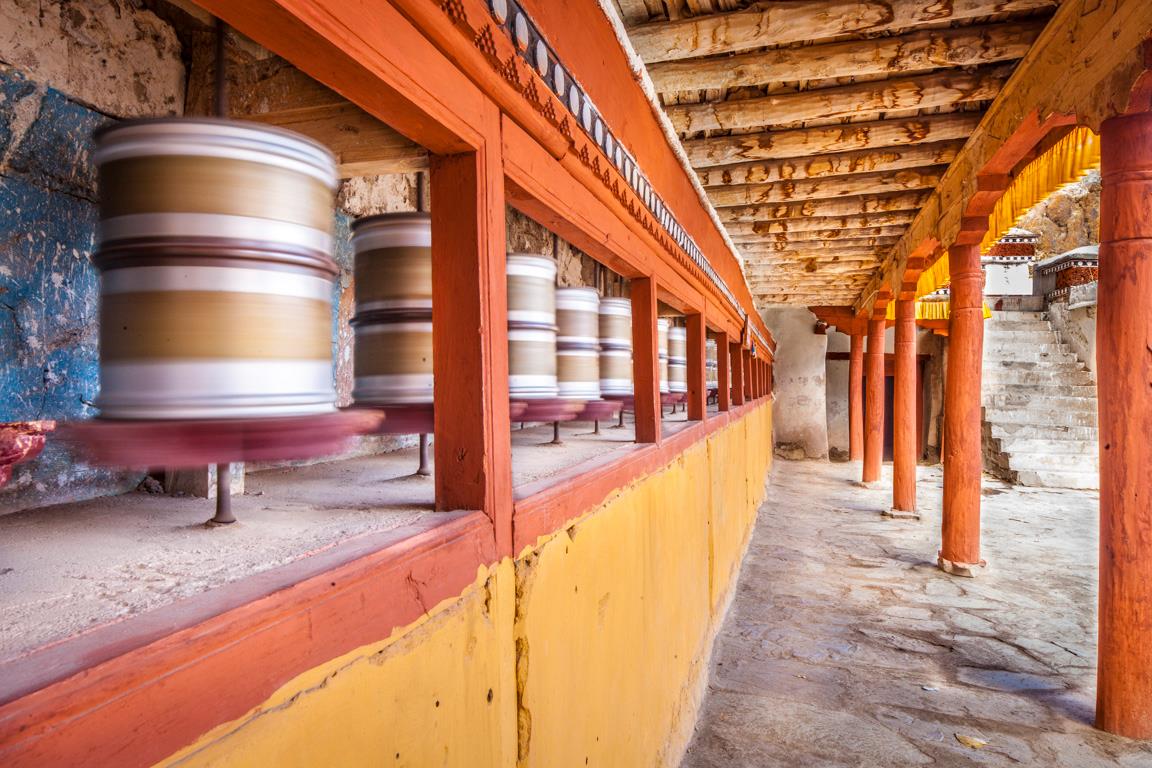
Walking through Ladakh today, visitors encounter Buddhist monasteries scattered across the landscape that are not just spiritual centers but also key places for preserving traditional Ladakhi customs and festivals. These ancient gompas, some dating back over a thousand years, serve as guardians of tradition. Hemis Monastery, one of the largest in Ladakh, is renowned for its annual festival, featuring colorful mask dances performed by monks.
The monasteries offer more than religious instruction. Gompas in Ladakh are also educational institutions and play a central role in the life and economy of the local community. Prayer wheels, intricate murals, and the soft hum of chants fill the air as visitors explore the monastery grounds. Each monastery, from the remote Lamayuru to the awe-inspiring Thiksey, offers a window into the spiritual heart of Ladakh.
The Dance of Good and Evil
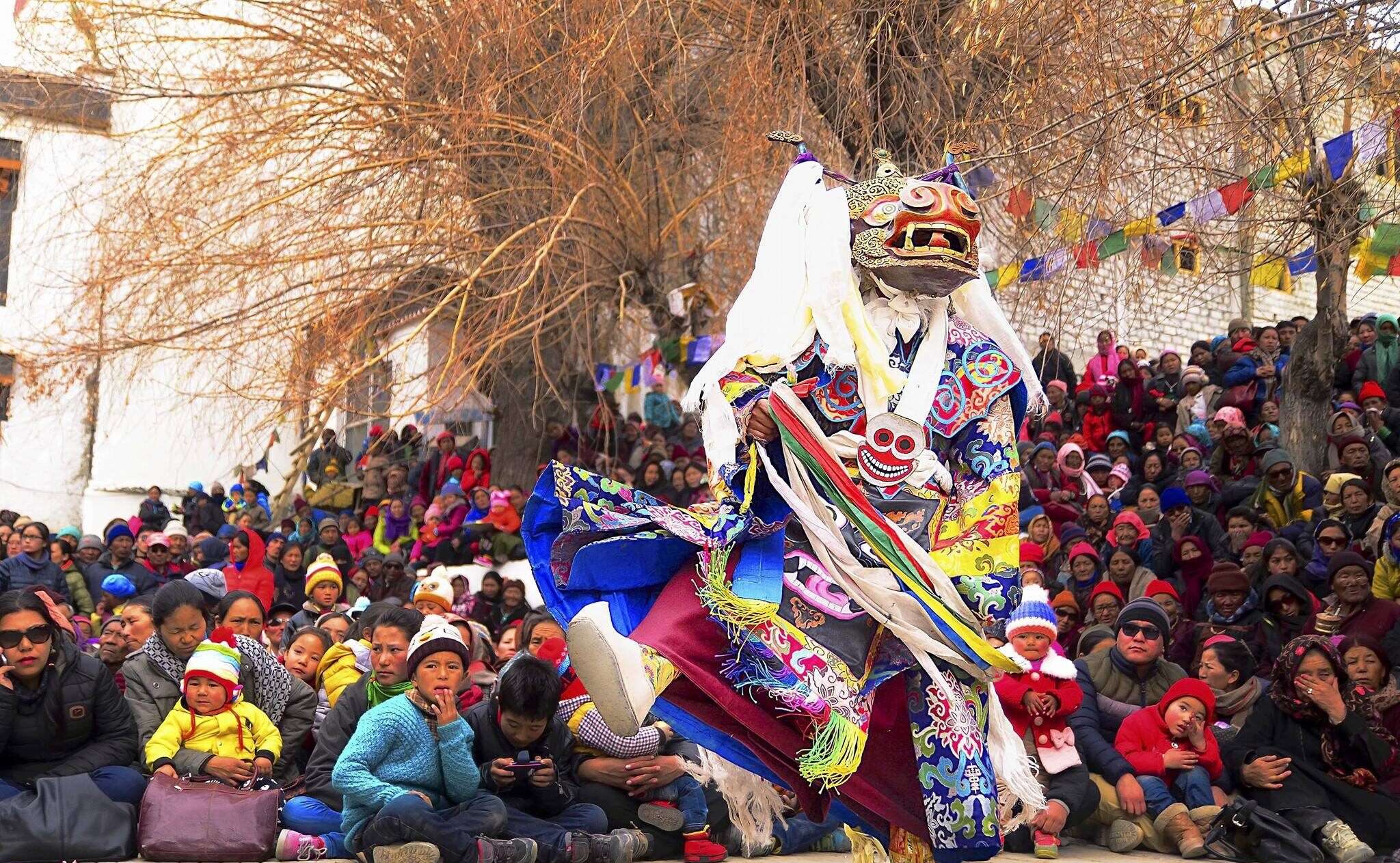
Perhaps nowhere is Ladakh’s cultural richness more visible than in its festival traditions. Religious mask dances are an important part of Ladakh’s cultural life. Hemis monastery, a leading centre of the Drukpa tradition of Buddhism, holds an annual masked dance festival, as do all major Ladakhi monasteries. These aren’t mere performances but sacred dramas. The dances typically narrate a story of the fight between good and evil, ending with the eventual victory of the former.
Traditionally, 360 variants of dances existed in the early times, but today only a few are preserved. Some forms of dance narrate the story of the fight between good and evil, ending with the eventual victory of the former. The costumes are spectacular – silk robes in brilliant colors, fearsome masks representing protective deities, and ornate jewelry that catches the mountain light.
Festivals That Mark the Seasons
Ladakh’s festival calendar follows the rhythm of both Buddhist spirituality and mountain life. Losar Festival: Ladakhi New Year celebrations marked by prayers and social gatherings. Hemis Tsechu: Celebrating Guru Padmasambhava’s birth with elaborate ceremonies. Losar festival is the major festival of this region which is celebrated either in 09 December 2026. This festival marks the beginning of a New Year which is celebrated 2 months before the New Year as per the Tibetan calendar has a historical root in King Jamyang Namgyal who started this celebration in the 17th century beforehand as he had to prepare for a war against the Baltistan forces in the coming months.
These festivals transform quiet monastery courtyards into vibrant theaters. These celebrations bring together mask dances, traditional music, archery competitions, camel races, river-rafting events, and stunning thangka art displays. The festivals serve as community gatherings where people from remote villages come together, sharing stories, food, and traditions passed down through generations.
The Music of the Mountains
Ladakhi music reflects the land itself – both contemplative and celebratory. The music of Ladakhi Buddhist monastic festivals, like Tibetan music, often involves religious chanting in Tibetan as an integral part of the religion. These chants are complex, often recitations of sacred texts or in celebration of various festivals. Yang chanting, performed without metrical timing, is accompanied by resonant drums and low, sustained syllables.
Traditional instruments tell their own cultural story. The traditional music of Ladakh includes instruments like linyu (flute), damnyan (stringed instrument) pivang, khakong, (sitar) daph (dafli) daman, surna, and piwang (shehnai and drum). These instruments accompany not just religious ceremonies but also community celebrations and folk traditions.
Living with the Land
Ladakhi culture is intimately connected to its environment. People cultivate each other’s fields during the harvest season, which promotes a community feeling & brotherhood. This cooperative spirit, born of necessity in the harsh mountain environment, has shaped social customs for centuries.
Weaving is an important part of traditional life in eastern Ladakh. Both women and men weave, on different looms. The textiles they create aren’t just functional but carry cultural significance – patterns and colors that tell stories of family lineages and regional identities.
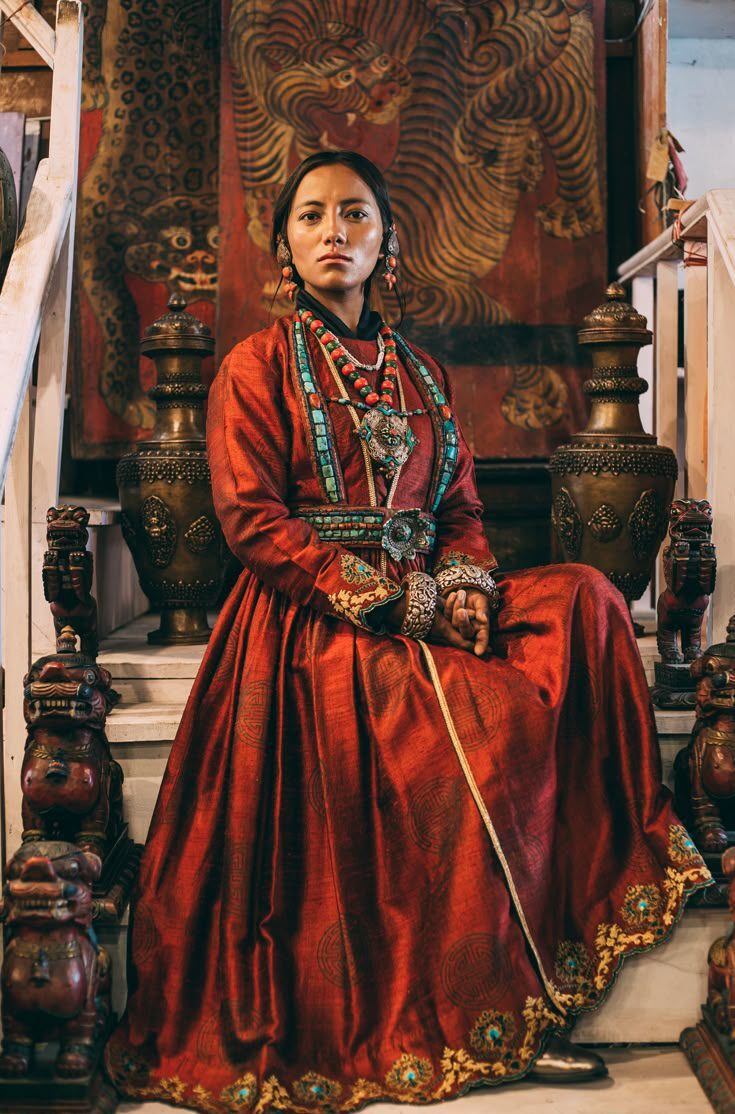
Traditional dress reflects both practicality and cultural pride. The men in Ladakh wear a long woollen robe which is known as Goucha in their local language. Women wear a similar kind of robe which is called Kuntop & Bok. Perak, a long hat, is also worn by both men & women in Ladakh.
Food as Cultural Expression
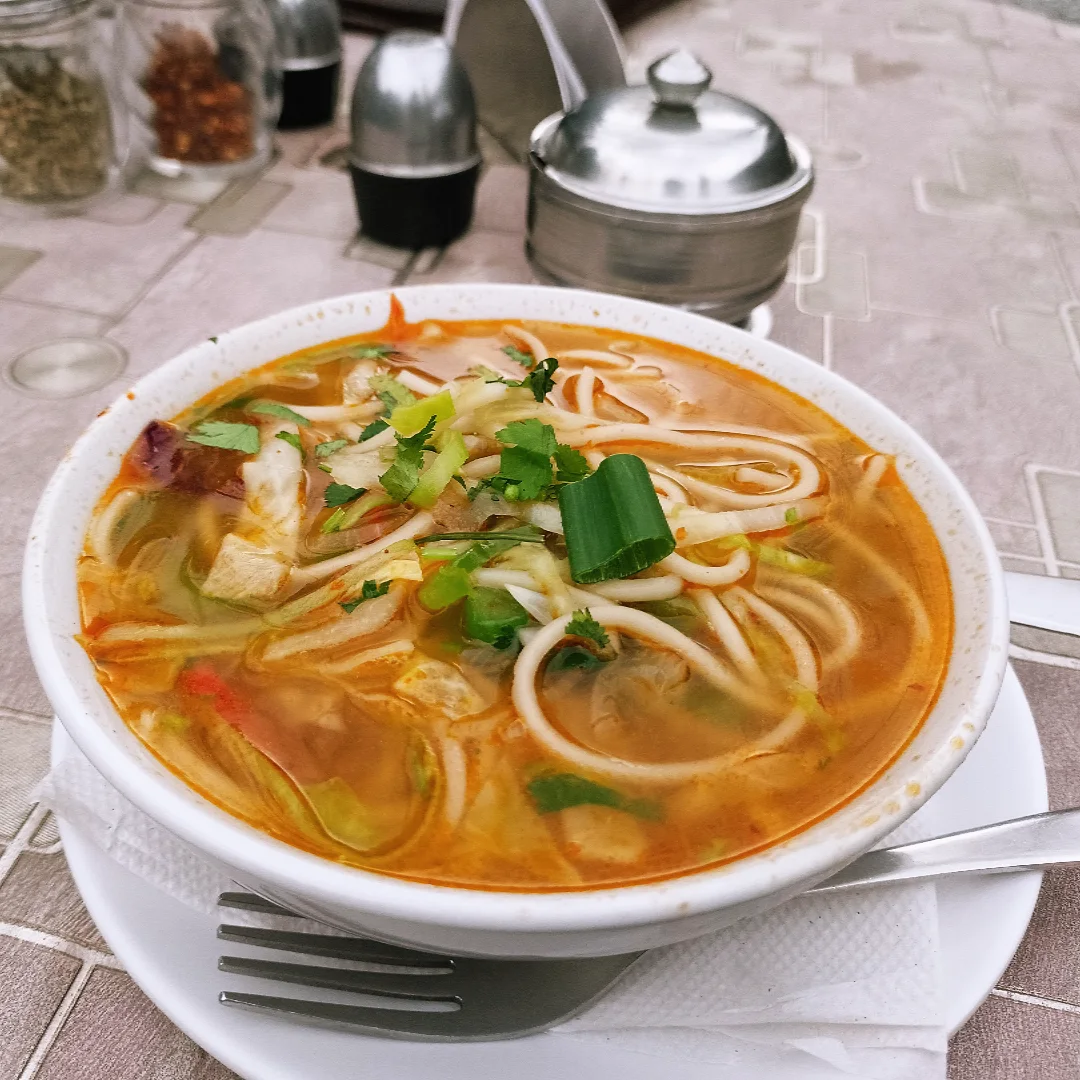
Ladakhi cuisine tells the story of adaptation and cultural exchange. Ladakhi food is much common as Tibetan food, the most prominent dishes being thukpa, a type of noodle soup and tsampa, known in Ladakhi as ngampe, which is a type of roasted barley flour. Strictly Ladakhi dishes include skyu and chutagi, both heavy and rich soup pasta dishes, skyu being made with root vegetables and meat, and chutagi with leafy greens and vegetables.
These hearty dishes reflect the practical needs of mountain life – warming, nutritious foods that can sustain people through long, cold winters and demanding physical work at high altitude.
Ancient Healing Wisdom
Traditional medicine remains an important part of Ladakhi culture. Tibetan medicine has been the traditional health system of Ladakh for over a thousand years. This school of traditional healing contains elements of Ayurveda and Chinese medicine, combined with the philosophy and cosmology of Tibetan Buddhism. For centuries, the only medical system accessible to the people have been the amchi, traditional doctors following the Tibetan medical tradition.
Today, Programmes by the government, local and international organisations are working to develop and rejuvenate this traditional system of healing. Efforts are underway to preserve the intellectual property rights of amchi medicine for the people of Ladakh.
The Thread of History
Ladakh’s cultural tapestry was woven through centuries of historical influences. It has been a crossroad of high Asia for thousands of years and has seen many cultures, empires and technologies born in its neighbours. As a result of these developments Ladakh has imported many traditions and culture from its neighbours and combining them all gave rise to a unique tradition and culture of its own.
The powerful Namgyal dynasty left an indelible mark on the region’s culture. He made efforts to restore Ladakh to its old glory by an ambitious and energetic building programme by rebuilding several gompas and shrines, the most famous of which is Hemis. He also moved the royal headquarters from Shey Palace to Leh Palace and expanded the kingdom into Zanskar and Spiti.
Language as Cultural Bridge
The predominant mother-tongue in Leh district is Ladakhi (also called Bauti), a Tibetic language. Within Ladakh, there is a range of dialects, so that the language of the Chang-pa people may differ markedly from that of the Purig-pa in Kargil, or the Zangskaris, but they are all mutually comprehensible. This linguistic diversity reflects the region’s complex cultural heritage while maintaining unity through shared understanding.
Preserving Tomorrow’s Heritage
Today, Ladakh faces the challenge of preserving its cultural treasures while adapting to modern realities. Preserving this unique region requires careful attention to sustainable tourism practices. Choosing eco-friendly accommodations, supporting local businesses, and participating in community-led conservation efforts are just a few ways that visitors can contribute to the preservation of Ladakh’s natural and cultural heritage.
The younger generation is finding new ways to honor their heritage. Later, with support from Dalai Lama and some international organisations, the school, now known as Lamdon Model Senior Secondary School, has grown to accommodate approximately two thousand pupils in several branches. It prides itself on preserving Ladakhi tradition and culture.
Ladakh’s culture is not a museum piece but a living tradition that continues to evolve. In the prayer wheels that spin in the mountain wind, the festivals that bring communities together, the ancient crafts still practiced by skilled hands, and the hospitality that welcomes strangers as family, the spirit of this remarkable culture endures. Ladakh’s culture, deeply rooted in Buddhist practices, invites visitors to reflect on their own lives and the world around them.
For those fortunate enough to experience Ladakh, it offers more than spectacular scenery – it provides a window into how humans can create meaning, community, and beauty even in the world’s most challenging environments. The culture of Ladakh reminds us that some of humanity’s most profound achievements lie not in conquering nature, but in finding harmony with it.
About the Author:
Junichiro Honjo is the founder of LIFE On The PLANET LADAKH, a sustainable tourism advocate dedicated to promoting responsible travel that preserves Ladakh’s natural beauty and cultural heritage. With deep respect for local communities and their traditions, Junichiro works to create authentic travel experiences that benefit both visitors and the remarkable people who call the high Himalayas home.