


When the Mountains Keep Their Own Calendar
By Sidonie Morel
Arriving with Questions You Didn’t Pack
What “mystery” means at altitude
In Ladakh, the word “mystery” rarely sits on its own. It attaches to a rule, a season, a doorway, a warning said without drama. You notice it in the practical choices people make—where a path bends away from a house, why a lamp is left in a window, why certain lakeshores are treated less like picnic ground and more like a threshold. The plateau does not offer theatrical fog. It offers clear light and dry air, and then, beneath that clarity, small conventions that signal an older way of reading the landscape.
European travellers often arrive with a tidy map of what counts as “real”—roads, permits, distances, opening times. Those things matter here, perhaps more than most places, because weather and height are strict teachers. But alongside that map there is another, quieter one: routes that change after dark, ceremonies that keep the year from slipping apart, masked dances that are not performed so much as carried out, and marks in stone that refuse to become mere decoration.
This is a column about 10 Ladakh mysteries, but not in the sense of a scavenger hunt. It is about how a region holds uncertainty without making it into a spectacle. In high, sparse terrain, what cannot be proven still shapes behaviour, and behaviour shapes survival. The result is a place where the line between story and instruction is often thin, and where “mystery” can be a form of care.
Night Paths No One Admits to Taking
Ghost roads as a second map
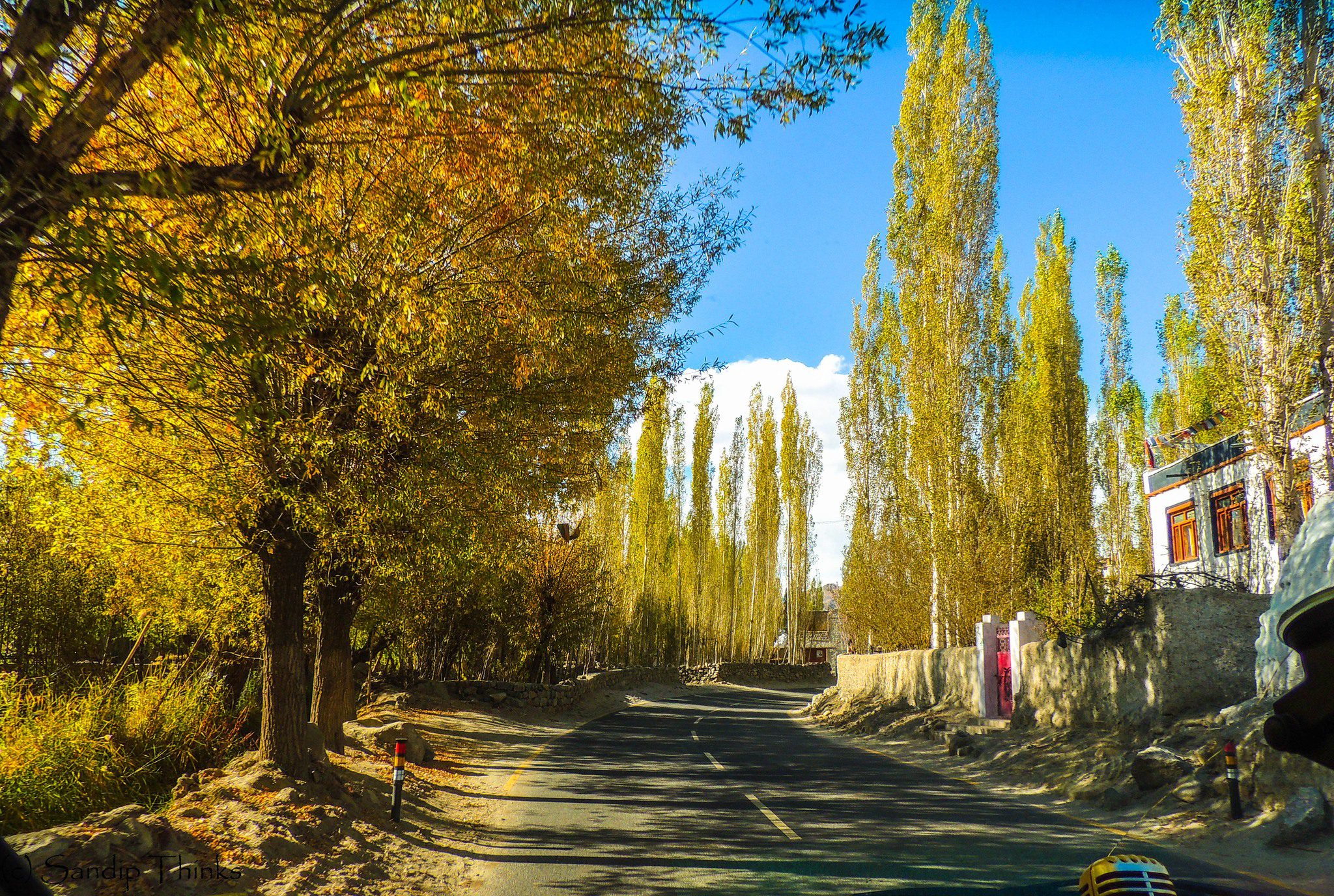
During the day, villages are simple to read: flat-roofed homes, low walls of stone and mud, narrow lanes edged with dry earth and dung fuel stacked for winter. The movement is ordinary—children sent for bread, men walking with tools, women carrying metal pails that flash briefly in sun. And then evening arrives quickly. The temperature drops as if someone has opened a door. Shadows sharpen. Cooking smoke hangs low. The same lanes exist, but people begin to move as though the village has gained an extra layer.
In Ladakh there are accounts of “ghost roads”—paths that run alongside human routes yet are not for humans. In some narratives, these are the night routes of tsan, a fiery or red-tinged class of spirits in local belief, said to travel with speed and appetite. What matters is not whether an outsider believes in tsan as entities, but what the idea does. It explains why one corner of a lane is avoided after dusk, why someone chooses a longer way home when the light is low, why a person may step aside in silence on a narrow track as though making room for something unseen.
Seen up close, it is not melodrama. It is etiquette. A village at night is a shared space, and the rules of sharing include the possibility that not every presence is visible. The “ghost road” becomes a way to speak about risk without naming it as fear: sickness moving through winter rooms, strangers passing without announcement, animals slipping between fields. A story does not have to be true in a laboratory sense to be useful in a village sense. It can keep people attentive. It can keep children close. It can keep the night from being treated as a playground.
How the cold changes what you believe
It is easier to dismiss the idea of a second map when you are warm. At 3,500 metres and above, the body is more easily persuaded by small signals. Breath turns rough. Hands lose feeling quickly if gloves are thin. A head torch throws a small, harsh circle, and beyond it the dark is not romantic; it is simply unlit. In those conditions, the difference between confidence and carelessness becomes obvious.
Many of the “10 Ladakh mysteries” begin here: in the way the environment demands attention. A traveller who walks at night in a town like Leh may find it straightforward. In a village, with dogs that recognise locals and distrust unfamiliar steps, with uneven ground and irrigation channels that become traps in the dark, the idea of a ghost road begins to feel less like folklore and more like a reminder: move gently, do not assume the world is only what you see.
When a Person Becomes a Vessel
Oracles as community infrastructure
The most striking forms of Ladakhi spirituality are often those that do not separate the sacred from the administrative. An oracle is not merely a curiosity. In places where an oracle tradition is maintained—Matho, near Leh, is among the best-known—people gather not only to witness trance but to locate a shared point of orientation. The event is public. It has a timetable. It fits into the year the way harvest and winter preparations do.
To call this “possession” is to reach for a word that carries sensational baggage. What happens is more precise than that. A trained practitioner enters a state in which speech and gesture are understood as the voice of a protective deity. Questions are asked that matter to the community: health, weather, the safety of travel, social tensions that have not been spoken plainly. Whether a prediction “comes true” is not the entire point. The act of listening together is part of the point. It offers a structured moment when uncertainty can be approached without shame.
For visitors, the experience is often filtered through cameras and headlines. But from inside the courtyard, you see something else: the steadiness of the attendants, the controlled movement, the seriousness of faces, and the way the crowd adjusts, making space, lowering voices. It is not the mood of entertainment. It is the mood of a communal appointment.
The human cost of certainty
Europeans tend to treat certainty as a personal possession: my plan, my itinerary, my insurance, my forecast. Ladakh invites a different stance. Certainty is expensive here; weather can overrule it, and distance can make it irrelevant. The oracle tradition reflects that reality. It does not sell a guarantee. It frames a question and allows the group to carry the answer together, even if that answer is ambiguous.
For a traveller, the practical lesson is quiet: plan, yes, but leave room. If a local guide suggests an early start because clouds are building, or says a route is not “good today,” that judgement often draws from experience in the same way an oracle draws from a collective sense of the year. It is the same principle, expressed differently: do not force the mountain to agree with you.
Masks That Don’t Hide
Cham as cleansing, not spectacle
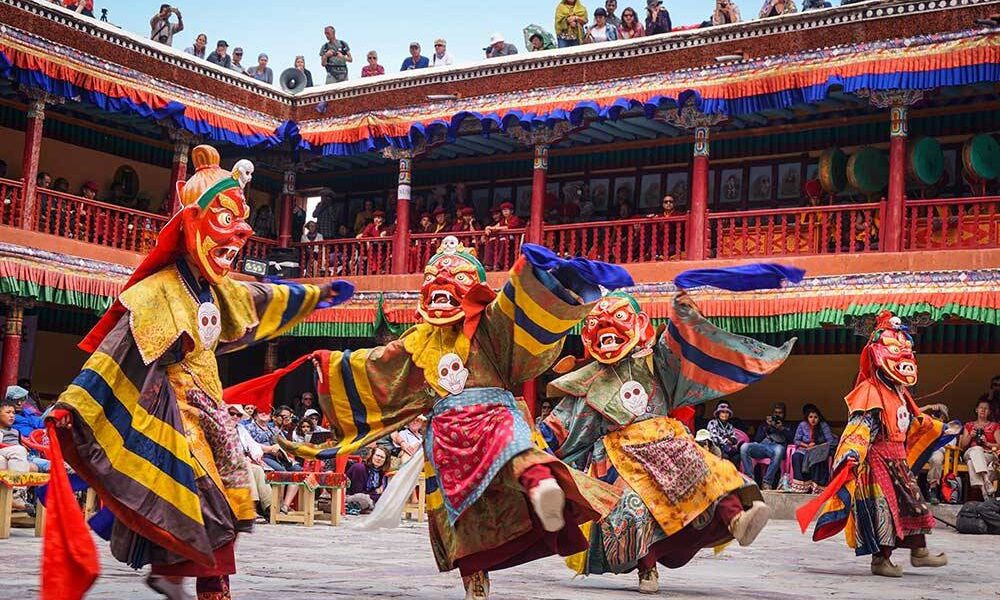
The first time you see a cham dance—particularly at major monastic festivals like Hemis—it can be tempting to read it through familiar European categories: performance, costume, pageantry. There is music, drums that thud in the chest, long horns that extend sound into the air like a physical thing. There are masked figures moving in measured circles. The courtyard fills. The sun is bright. The photographs look vivid.
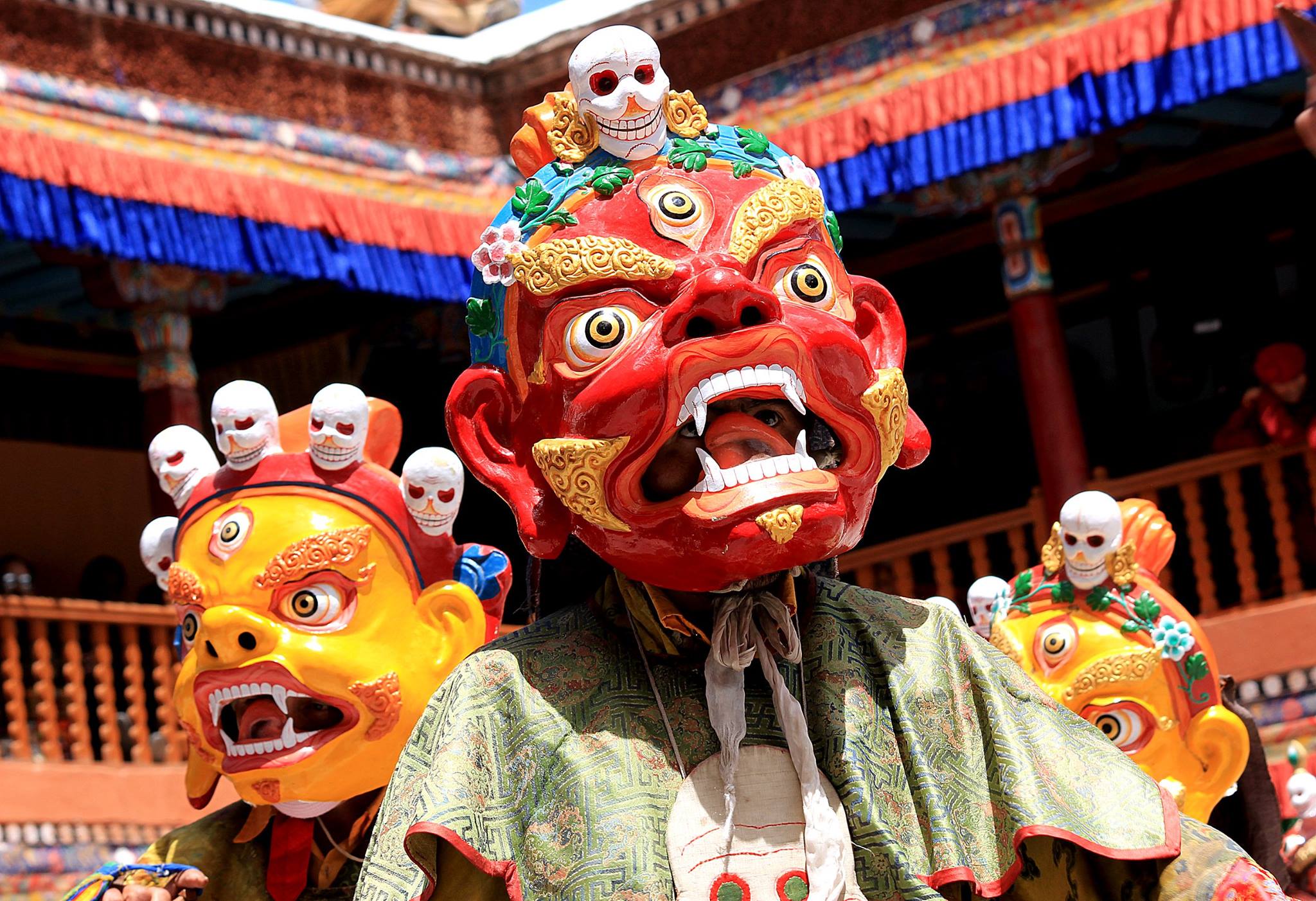
But cham is not primarily a display. It is a ritual act with consequences. The masks are not for disguise in the theatrical sense; they are devices for making certain forces legible. Wrathful faces, animal features, elongated eyes—these are not meant to be “pretty.” They are meant to be effective. A dance that looks slow from the outside is often rigorous from the inside: steps repeated with exactness, turns counted, gestures held long enough to carry meaning.
In the logic of the ritual, harmful influences—misfortune, illness, conflict—are not abstract. They are treated as things that can be moved, pushed, escorted out. The dance creates a controlled environment in which fear is acknowledged and then given a route to leave. This is not far from what European cultures have done, in other forms, for centuries: using ceremony to restore order when ordinary language fails.
Watching without consuming
For visitors, the challenge is to witness without turning the ritual into a trophy. It helps to treat the courtyard like a place of work rather than a stage. Stand where you are not in the way. Lower your voice. Notice the details that do not belong to your camera: the way monks adjust a costume with care, the way a child is guided back from the centre, the way locals move with familiarity, not reverence as a performance but reverence as habit.
Among the 10 Ladakh mysteries, the masked exorcisms are perhaps the most visible, and therefore the easiest to flatten into “culture” as a commodity. They repay a slower gaze. The point is not to decode every symbol in a day. The point is to recognise that cleansing, here, is not an idea; it is an action done in public so that the year can continue.
The Monastery Built in One Night
Why “overnight” legends persist in harsh terrain
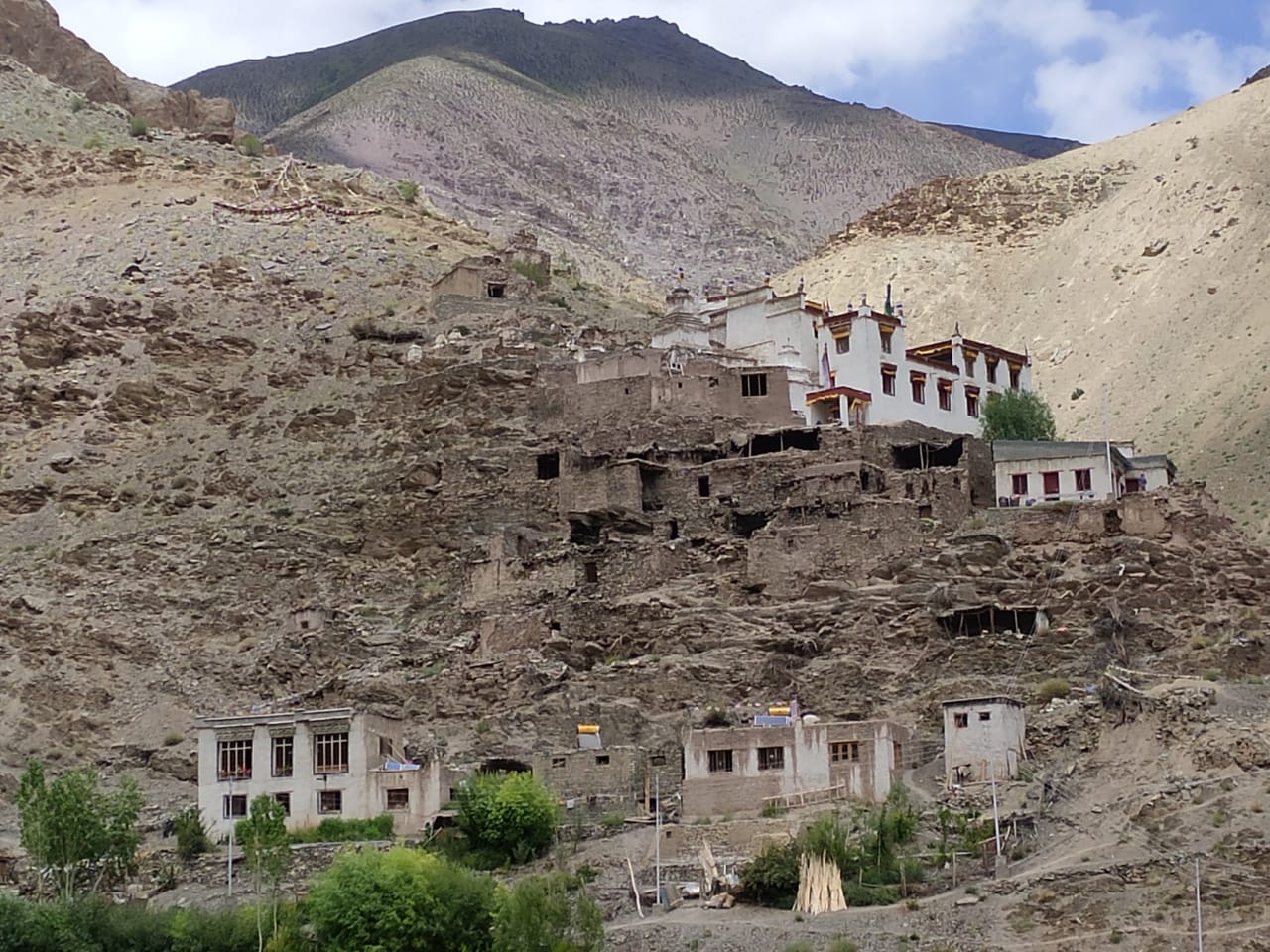
There are stories in Ladakh of monasteries built in a single night—Sumda Chun is among the places where such tales circulate. From a European perspective, this can sound like a fairytale stitched onto stone. But in a landscape where building is constrained by weather windows, by access to timber, by the labour of moving stone, and by the urgency of completing shelter before winter, “overnight” is not only a magical claim. It is an expression of how suddenly conditions can shift from possible to impossible.
A structure may take months of effort, but the decisive moment—the point at which the roof is sealed, the walls are stable, the space becomes usable—can feel abrupt. People remember that threshold. They speak of it as a night, a single stretch of time when the work crossed from vulnerable to secure. In that sense, “built in one night” is a way of honouring the intensity of the final push, and the relief that follows when a place is finally ready to hold prayer, storage, sleeping bodies, or a community gathering.
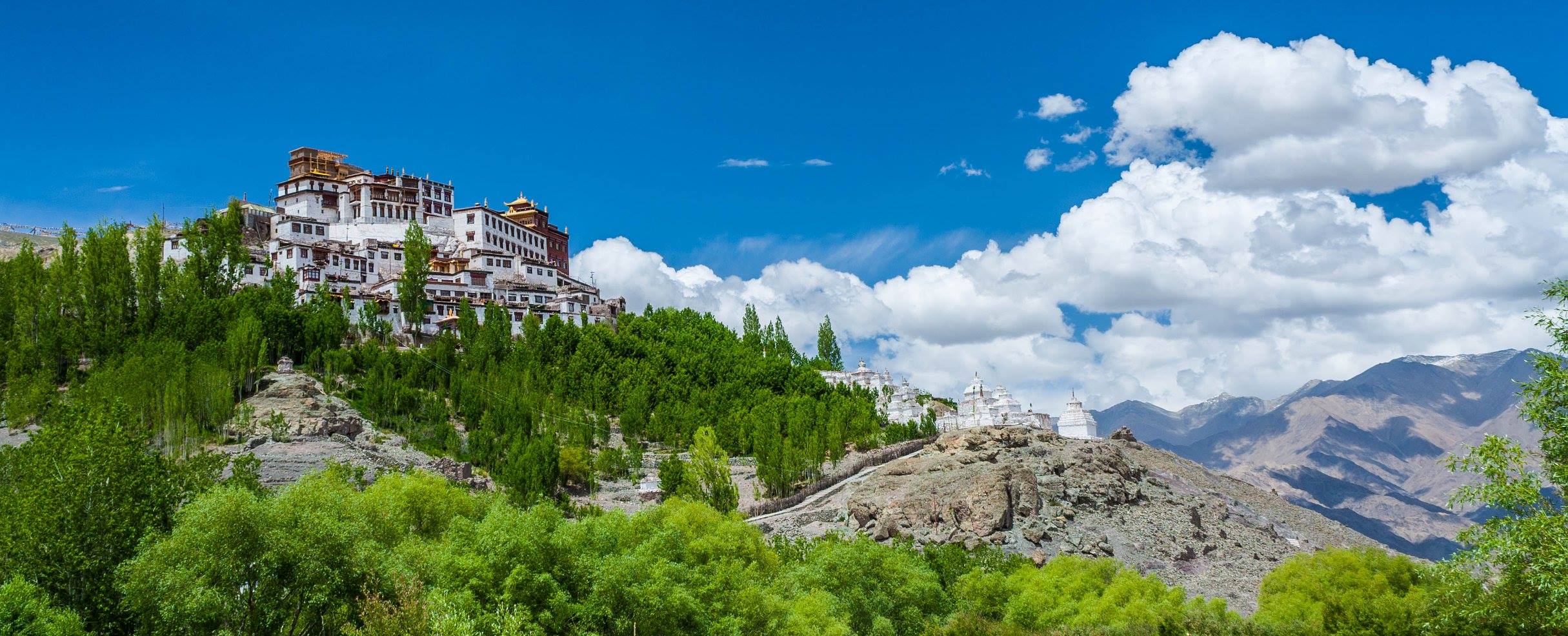
Seen from a distance, the monastery sits as if it has always been there. Seen up close, you notice the grain of stone, the unevenness that reveals handwork, the way walls follow the logic of terrain rather than geometry. These are buildings shaped by necessity. Legends of sudden construction do not erase that necessity; they underline it.
What travellers can learn from these stories
For a traveller, the practical takeaway is not to chase the legend as if it were a stamp for a passport. It is to recognise that in Ladakh, infrastructure often arrives through collective effort that is easy to overlook. A road closure, a bridge repair, a water channel maintained by hand—these are quiet miracles in a high desert. The “overnight” story is a poetic shortcut for something real: the community’s capacity to act fast when the environment demands it.
The Cave That Widens the World
Phugtal and the discipline of the inside
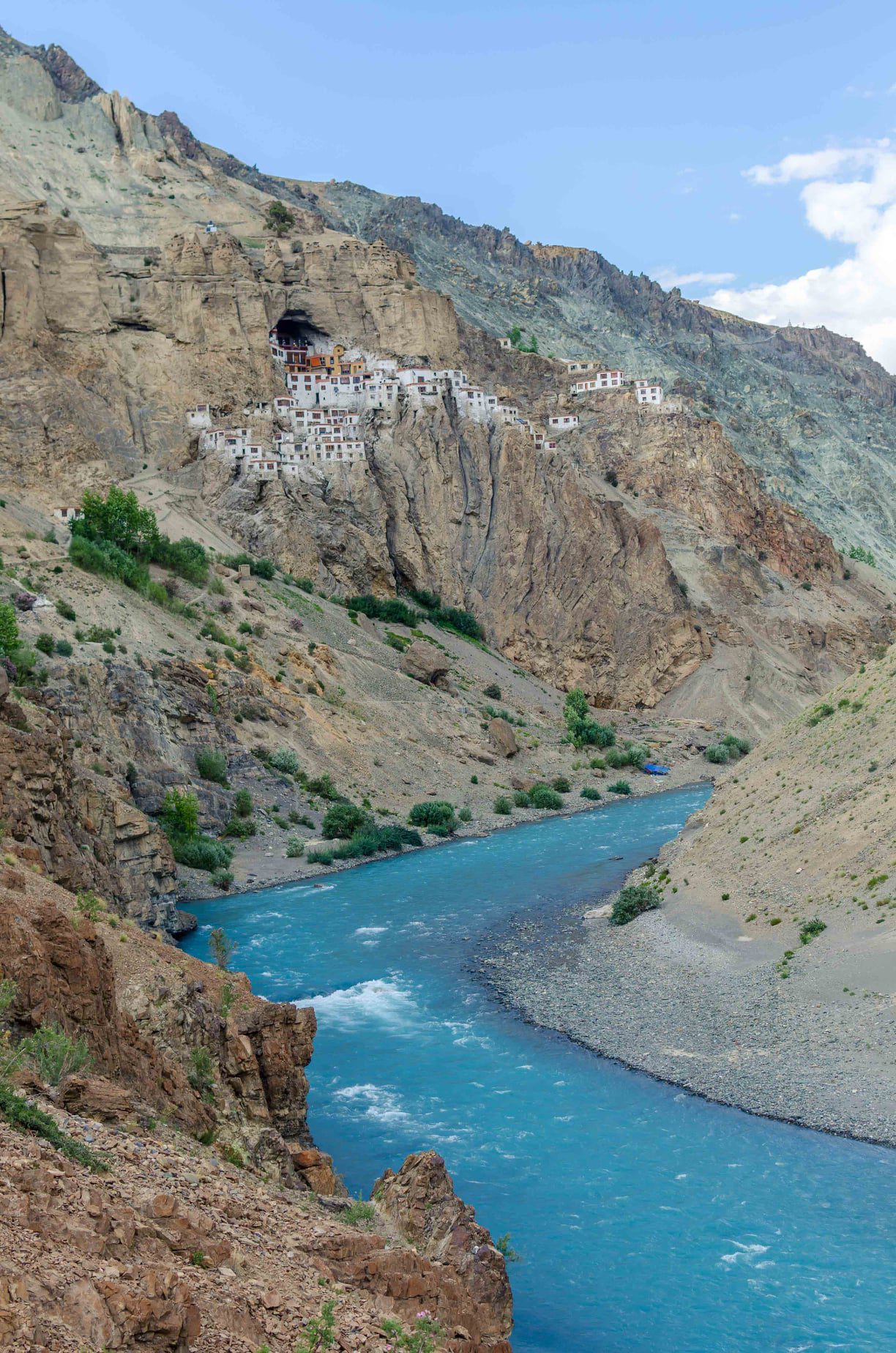
Phugtal Monastery in Zanskar is famous for its setting: built into a cave mouth, layered against rock so that the building seems to grow out of the cliff. It is often described in superlatives, but it does not need them. The facts are enough. The approach is long. The terrain is dry and stony. The river cuts through the valley. The monastery appears gradually, not as a reveal engineered for visitors but as a consequence of geography: you reach a bend, and the cave becomes visible, and then the rooms attached to it.
Inside the cave, the air changes. The light is reduced and softened. Sound behaves differently—footsteps do not disappear; they collect. Water, if present, is heard more than seen. In such a space, the boundary between “inside” and “outside” stops being obvious. The cave is not merely shelter. It is a chosen condition. It requires discipline: to live with less light, to accept colder stone, to maintain routines without the cues of ordinary domestic life.
For outsiders, caves are often associated with secrecy or romance. Here, the cave is associated with practice. It is a place where attention can be focused. In a region where wind and distance can scatter the mind, the cave offers containment. That containment can look, from the outside, like withdrawal. From the inside, it can be understood as a way of making the day coherent.
Why this belongs among the 10 Ladakh mysteries
Phugtal belongs among the 10 Ladakh mysteries not because it is inexplicable, but because it changes the scale at which you measure life. In Europe, monasteries are often built to be seen: towers, façades, approaches that announce power or patronage. In Zanskar, the monastery is built to last within a landscape that will not flatter it. The cliff does not care about aesthetics. The cave offers one thing that matters: a stable place for the human voice to continue, season after season.
Lake Time, Stone Time, and the Eye’s Mistake
Pangong, petroglyphs, and the long memory of the valley
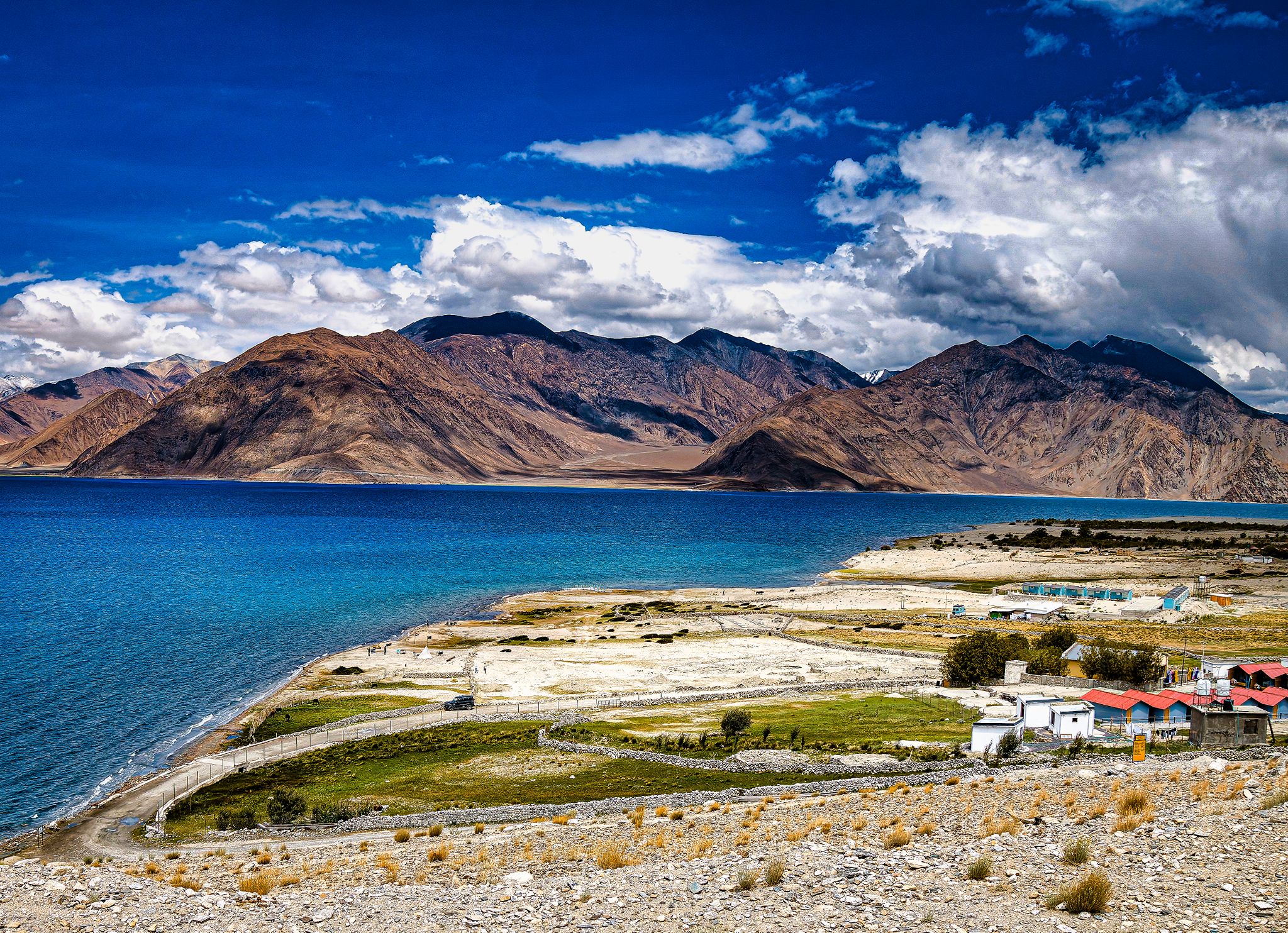
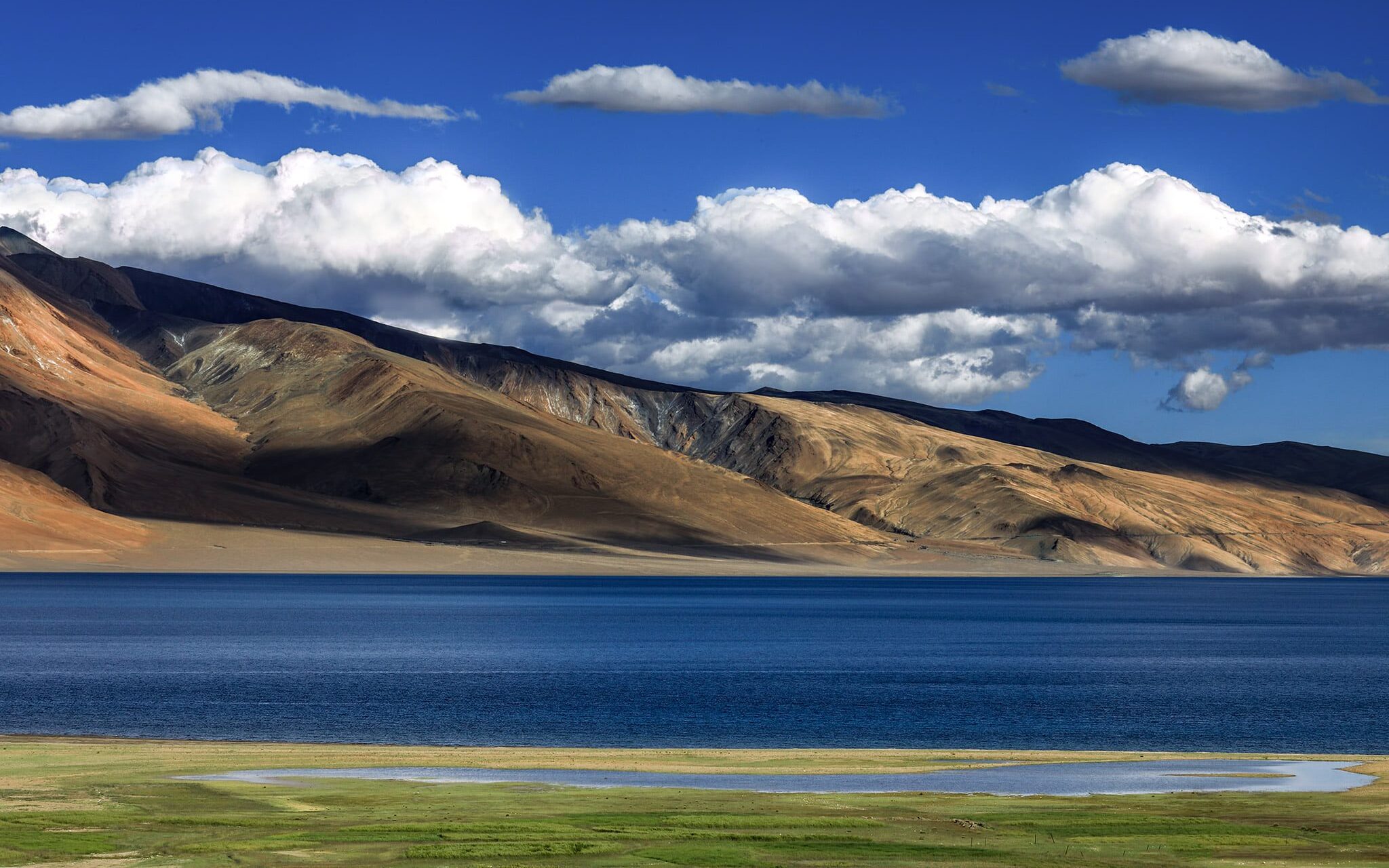
Some of Ladakh’s most famous locations—Pangong Tso, for instance—are photographed so relentlessly that it can be hard to recover their ordinary reality. Yet for the communities that live near such places, a lake is not a backdrop. It is a calendar marker. There are accounts of seasonal rituals on Pangong’s shore that speak to long habitation and the need to acknowledge transitions: the shift into a season of movement, the return of light, the beginning of a cycle of work. In such settings, water is not simply scenic. It is a material presence that shapes grazing, travel, and the timing of decisions.
Move away from the lake, and Ladakh’s time deepens further. Petroglyph sites—such as those around Domkhar—carry carved figures and symbols that do not come with captions. Animals, riders, abstract marks: the stone holds them without interpretation. The effect is not that you suddenly “understand” an ancient culture. The effect is that you stand in a present-day valley and realise that the valley has been watched, handled, and marked for longer than most European cities have existed in their current form. The rock makes the modern moment feel thin.
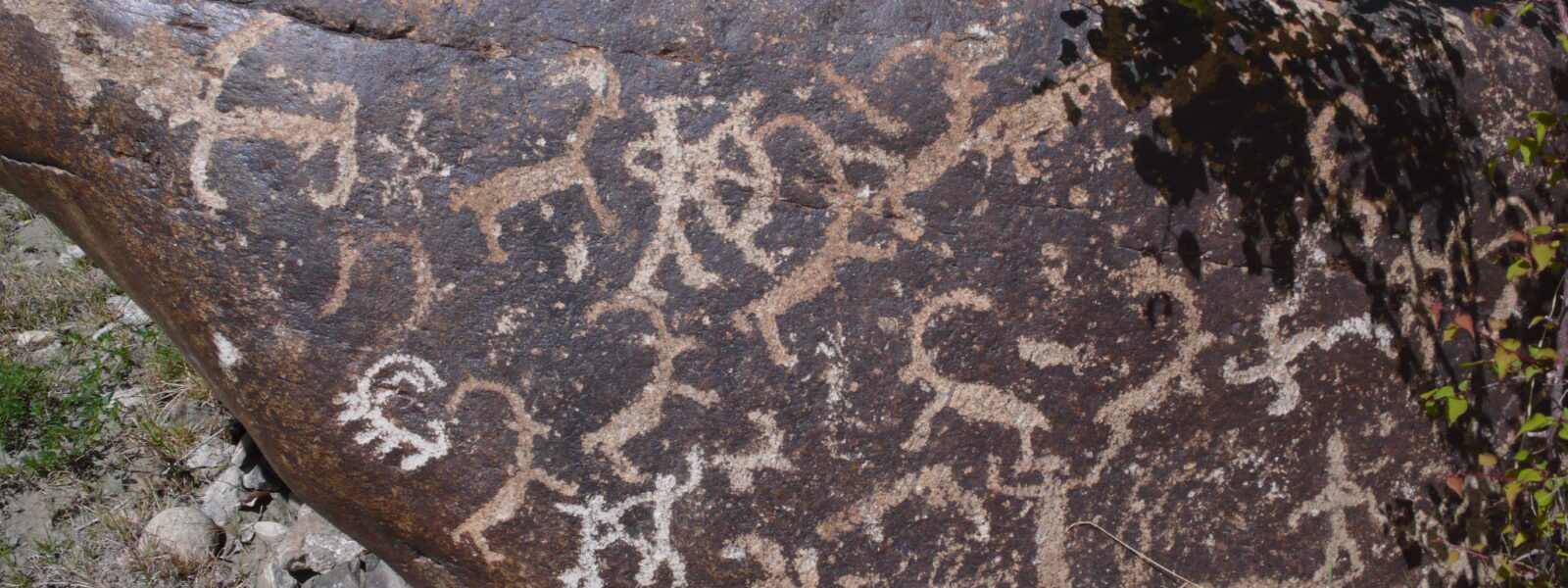
These are mysteries of duration. The land is not only a place; it is an archive that refuses to be filed neatly. A traveller can look, photograph, leave, and still feel the weight of what was not grasped. That is not failure. It is appropriate.
Magnetic Hill and the stubbornness of perception
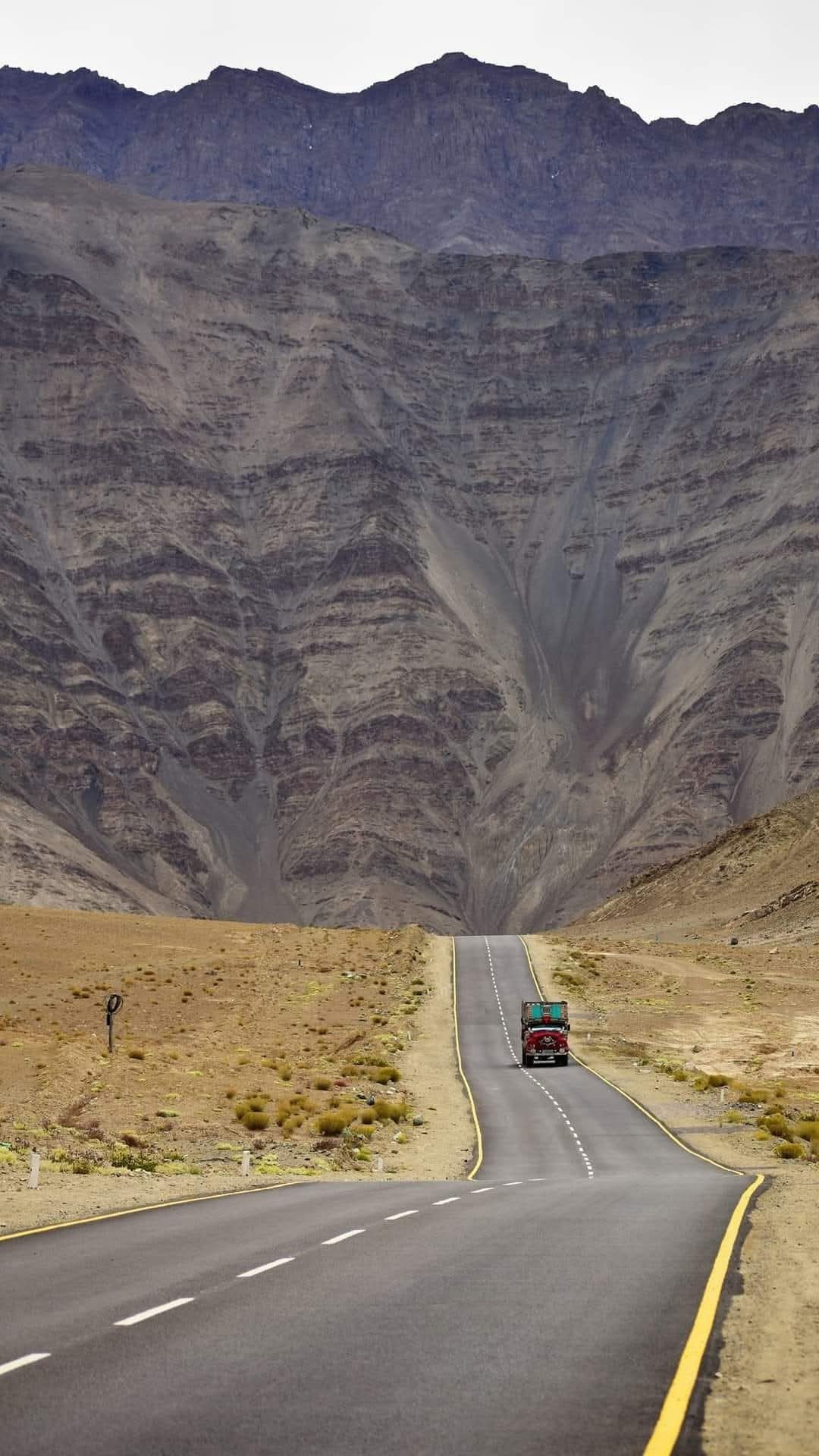
Then there are mysteries that are not ancient at all, but immediate: the slope near Leh known as Magnetic Hill, where a vehicle appears to roll uphill. The explanation is mundane—an optical illusion shaped by surrounding gradients and the absence of a reliable horizon. And yet, knowing that does not fully cancel the sensation. The eye insists. The body feels the contradiction.
This is worth including because it shows, in a simple way, how Ladakh unsettles certainty without trying. The high plateau is full of visual deceptions: distances that look short and are not, turns that seem close and are an hour away, snowfields that appear solid and conceal holes. The “magnetic” illusion is a harmless version of a serious truth: perception is not enough. You need local knowledge, a guide’s judgement, a willingness to accept correction.
In that sense, the illusion sits beside petroglyphs and lakeshore rituals without feeling out of place. All three remind you that the landscape operates on scales—of time, of distance, of angle—that do not necessarily match your first reading.
The Yeti That Turns into a Bear
When science answers one question and leaves another open
No catalogue of 10 Ladakh mysteries escapes the shadow of the yeti. The story travels easily: footprints in snow, a figure glimpsed between rocks, a hair sample kept in a box. Modern analysis has offered a sober correction: several samples historically linked to “yeti” claims have been associated, through DNA work, with bears. The revelation is satisfying to a certain kind of mind. It replaces a mythical creature with a known animal and restores the world to order.
And yet, the story persists. This is not because Ladakh is credulous, but because the mountain environment is genuinely capable of producing encounters that feel beyond the ordinary. Bears in high regions can stand upright, move in ways that briefly resemble a person at a distance, and leave tracks that confuse an untrained eye. Snow preserves impressions with an eerie clarity. Wind erases context. Darkness arrives quickly. The mind supplies missing information.
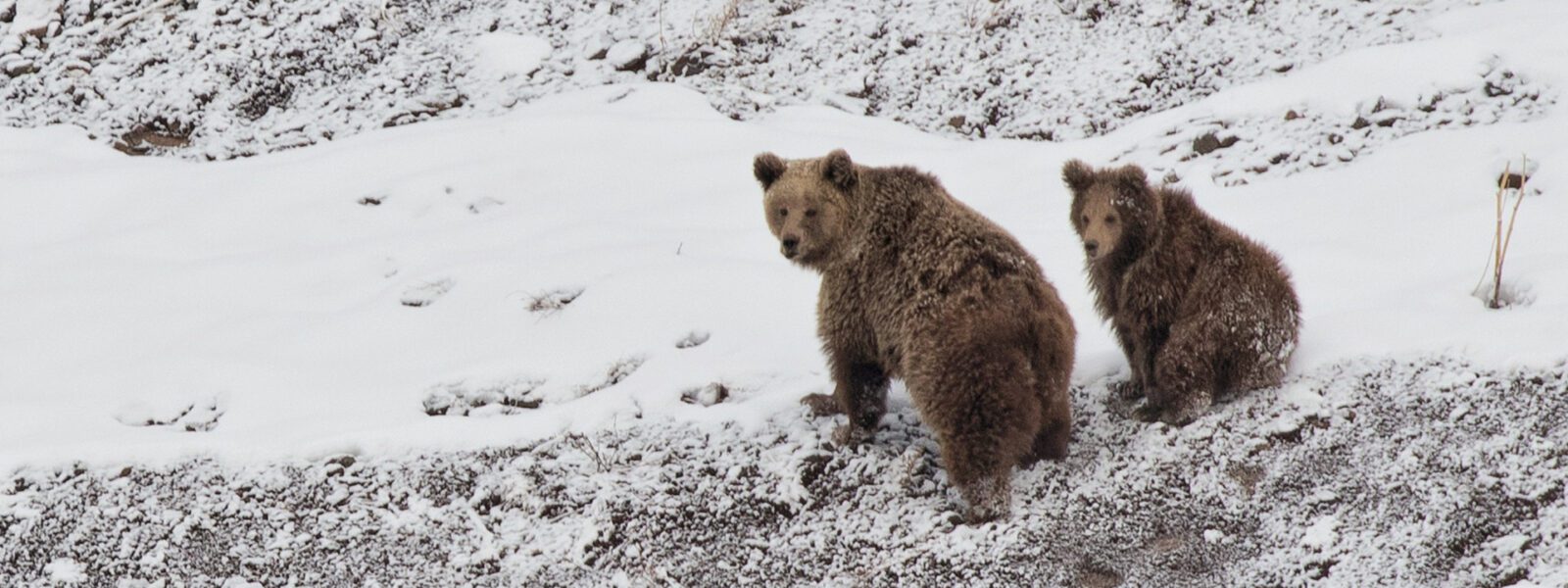
For travellers, the practical reality is straightforward: wildlife exists, and it deserves respect. The romance of a “yeti hunt” is childish in a place where a bear is not a symbol but a powerful animal with real needs and real risks. Responsible travel in Ladakh includes listening to local warnings about wildlife and not turning the landscape into a stage for chasing legends.
Why the myth remains useful
The more interesting question is why the myth remains useful even after scientific clarification. A bear is a fact. A yeti is a story that carries a behaviour: do not wander carelessly in certain conditions; do not assume the mountain is empty; do not treat night as your territory. Like the ghost road, the yeti myth can function as a boundary marker. It keeps humility in circulation.
In Europe, we often separate myth from practicality, placing myth in museums or children’s books. In Ladakh, myth and practicality can coexist in the same sentence. A person may know what a bear is and still use the word “yeti” when speaking to a child, or when describing a feeling in the dark that is larger than zoology. The mountain does not require a single vocabulary. It requires attention.
Perhaps that is the quiet thread running through these 10 Ladakh mysteries: not the promise of revelation, but the insistence on care. Care with where you step at night. Care with what you ask of a community. Care with how you watch a ritual. Care with what you demand from a place that has its own timing. The plateau keeps its calendar, and it does not hurry to make itself legible.
Sidonie Morel is the narrative voice behind Life on the Planet Ladakh,
a storytelling collective exploring the silence, culture, and resilience of Himalayan life.