


When the Map Stays Folded and the Valley Leads
By Sidonie Morel
First Light in Leh
A morning that does not rush you, and a decision made in breath
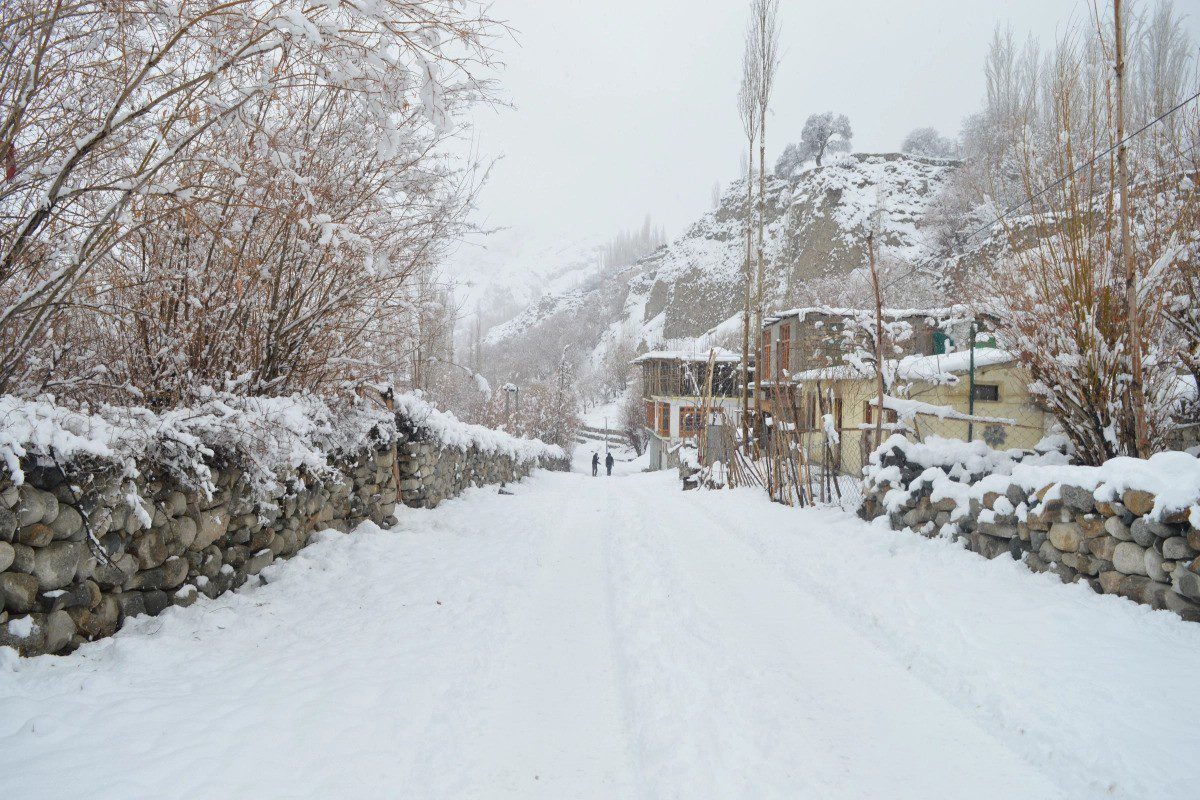
Morning in Leh arrives with an exactness that feels almost personal. The air is bright, spare, and so clean it makes every small sound distinct: a shutter lifted, a kettle set down, a broom dragging yesterday dust into a narrow line. Light collects on whitewashed walls, and the shadows turn a cool blue that looks deliberate, as if the town has been painted by weather rather than by choice. It is the kind of clarity that makes a traveller want to behave well. Not in a moral way, simply in a practical one. You move slowly because the altitude asks it. You notice more because the light insists on detail.
This is where the idea of a walk between monasteries Ladakh begins, not as a plan on paper but as a shape in the mind. Two monasteries can hold the day like bookends, leaving the middle to be free. You step out without a timetable, not to be careless, but to give the day room to instruct you. The first lesson is physical: the air encourages smaller steps and longer pauses. The second lesson is quieter: without a strict route, you begin to trust what is in front of you rather than what you meant to accomplish.
Many European travellers arrive with a habit of measuring a day by what it contains. Here, the day measures you back, gently, through breathing and pace. A walk between monasteries Ladakh becomes less about distance and more about rhythm. If your heart insists on a pause, you pause. If wind turns sharp, you add a layer. If thirst arrives late, you learn to drink earlier next time. In this high, bright calm, even preparation feels elegant. Water, sun protection, a light scarf, and a steady pace. No drama, no proving.
The city edge is never far, yet the quiet begins quickly. A lane behind a wall, a small rise, a line of poplars in the distance, and the mind loosens. The phrase walk between monasteries Ladakh sounds practical, and it is, but the true reason it works is emotional: it gives you permission to let the day be simple. You do not need to chase spectacle. You only need to walk well enough to notice what Ladakh offers at human scale.
Why walking matters here, and what you learn before the first monastery
There are places where walking is merely transport and places where it becomes a way of reading. Ladakh belongs to the second category. A car can deliver you to a monastery gate, but it cannot show you how the valley is stitched: the irrigation channel that turns dust into a bright strip of green, the low wall that guides a footpath, the way sunlight makes stone look warm even when the air stays cool. Walking makes these seams visible. A walk between monasteries Ladakh is, in this sense, a lesson in structure, taught by light and water rather than by words.
The first change is in scale. What looks close on a map can take time, not because the path is difficult, but because altitude transforms effort into something honest. The second change is in attention. Without the protective glass of a window, you hear the day: wind on prayer flags, the thin sound of water, footsteps on hard ground. You notice small courtesies: stepping aside for someone carrying a load, lowering your voice near a home, choosing the edge of a field instead of crossing it. These are not rules to perform. They are simply the manners of moving through a living place.
A walk between monasteries Ladakh also offers a kind of relief that many travellers do not name until they feel it. It removes the pressure to collect, replacing it with the calmer satisfaction of presence. You do not need to understand everything at once. You only need to stay receptive. The monastery will come in its own time. Before it arrives, the valley prepares you with its ordinary beauty: a courtyard where sunlight pools, a doorway holding cool air, a blue shadow on white wall that feels like a quiet signature.
Practicality belongs inside this softness. Walk in daylight. Carry water and protect yourself from sun even when the air feels crisp. Keep your bag light. If your breath becomes sharp, stop and let it settle. A walk between monasteries Ladakh is most enjoyable when you treat the body as your guide. The reward is simple: you arrive not only somewhere, but more fully into the day itself.
Choosing Two Monasteries Without Turning It into a Route
Finding the right frame: two points, one direction, and space for detours
The temptation is to name an official pair of monasteries and present the walk as a fixed route. That is exactly what this day does not need. The better approach is a gentle frame: choose a first monastery that feels plausible from where you are staying, then choose a second monastery that lies in the same broad direction. Between them, allow the day to behave like a day. This is the quiet strength of a walk between monasteries Ladakh: endpoints provide reassurance, while the middle provides discovery.
To keep the choice practical, think in terms of time rather than kilometres. Build a walk that forgives you. Altitude rewards patience and punishes hurry. If you choose two monasteries that demand speed, you will spend the day negotiating discomfort instead of enjoying detail. If you choose two monasteries that allow pauses, you will move with the valley rather than against it. A walk between monasteries Ladakh should feel steady, not ambitious. That steadiness is what lets you sit in the second monastery without counting minutes.
In Ladakh, the best detours are often the smallest. A lane behind a village wall, a footbridge you had not planned to cross, a tea stall that appears at the exact moment warmth becomes desirable. You do not need to justify these choices. They are the substance of the day. For European readers used to curated itineraries, it can be reassuring to say this plainly: drifting is not the same as getting lost. Drifting, done carefully, is simply allowing the landscape to offer you its best angles.
Keep manners simple. Do not cut across fields. Keep voices low near homes. Ask before photographing people. These gestures keep the walk light, and lightness is the true luxury here. A walk between monasteries Ladakh becomes more elegant when you move as if you are borrowing the path for a few hours, returning it unchanged.
Orientation without overwhelm: light, valley lines, and the rules of altitude
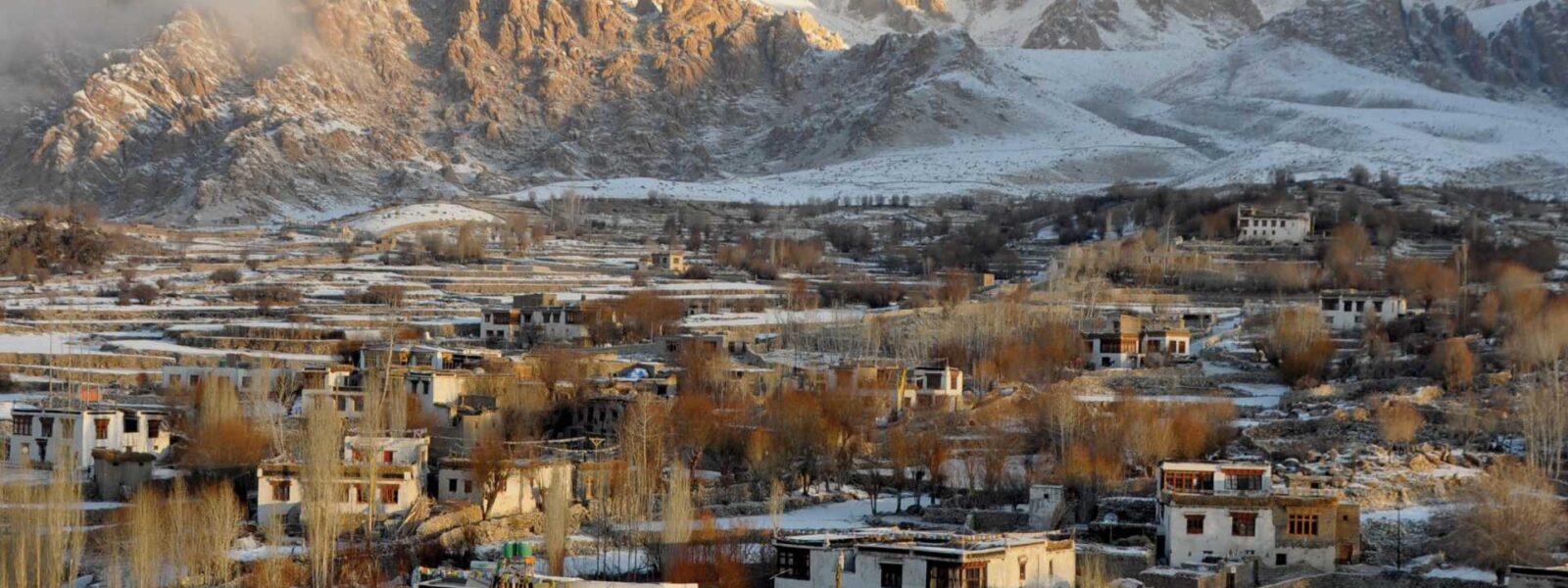
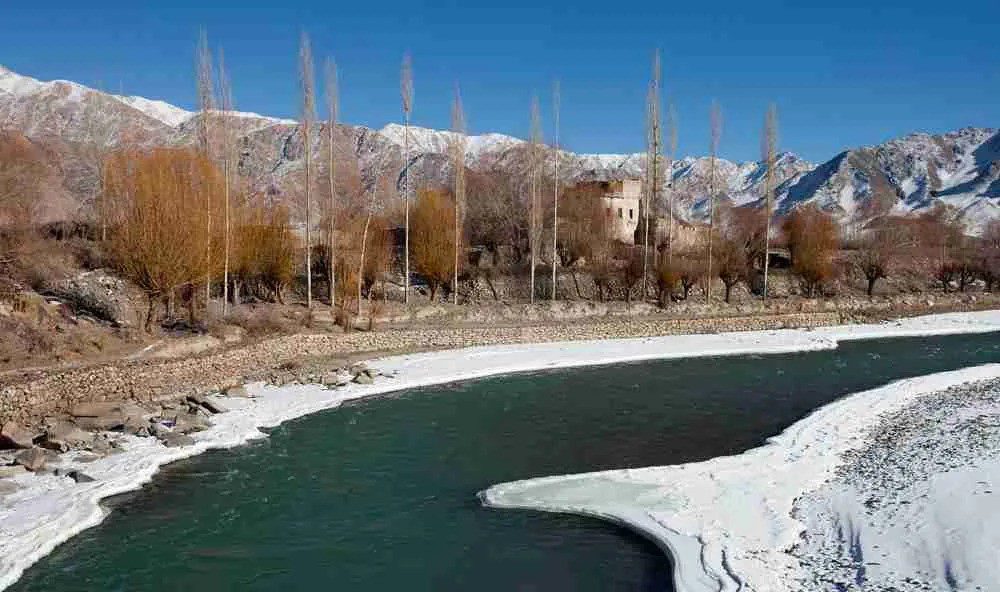
Leh sits high and open, and the Indus Valley draws a steady line through the landscape. Monasteries appear across slopes and ridges like pale punctuation, their white walls catching sunlight. Between them lie villages, fields, footpaths, and the working systems that keep life possible in a high desert. If you give readers one image, let it be this: wide sky, disciplined light, and small human care visible in irrigation channels and stone borders. In such a setting, a walk between monasteries Ladakh does not require drama to feel complete.
The valley teaches with repetition. Poplar lines suggest water and settlement. Low walls guide feet along the edges of fields. A bend reveals a strip of green that looks almost improbable against dust. These are the navigational cues you can trust because they are not designed for visitors. They are designed for living. When you follow them, you begin to understand why a walk between monasteries Ladakh feels intimate: you are moving through the same corridors the valley uses every day.
Altitude, however, is not a detail to romanticise. It is a practical condition. Even a gentle incline can feel demanding if you treat it like an ordinary walk at sea level. Encourage a simple rule: slow is correct. Drink before thirst arrives. Pause before fatigue becomes stubborn. Keep a light layer for wind. If the body requests stillness, grant it. A walk between monasteries Ladakh is safer and more pleasurable when you treat these habits as part of the elegance of travel rather than as chores.
With this soft orientation, the day becomes easy to imagine. You are not tracing a perfect line. You are moving within a landscape that rewards attention. The monasteries are not trophies. They are quiet poles that give the walk its shape. The true destination is the in between, where light and ordinary life teach you what to notice.
When the Town Releases You
The threshold moment: where sound thins, and your pace becomes the story
Every walk has a moment when preparation ends and the walk becomes itself. Near Leh, this shift can happen with surprising gentleness. One minute you are still close to familiar corners, and the next you have stepped into an open space where the air feels wider and the day seems to breathe differently. Traffic noise fades into something distant, almost theoretical. Your own footsteps become audible. This threshold is what makes a walk between monasteries Ladakh feel like more than movement from one site to another.
The path does not always announce itself. It may begin as a dirt track beside a garden, a stepped lane behind houses, or a shoulder of road that soon gives way to quieter ground. Look for signs of daily use: footprints in dust, a broomed edge, the curve of a wall. These subtle markers are more reliable than any romantic idea of a trail, because they belong to the life of the valley. A walk between monasteries Ladakh often follows these lived lines, which is why it feels grounded rather than staged.
The pace is not only practical, it is narrative. When you slow down, details appear. Dust takes on texture. A stone step holds warmth. Shade under a wall feels like a small gift. The body begins to settle into a rhythm that suits altitude. This is when travellers often realise they have been carrying unnecessary urgency. Ladakh does not need urgency. It offers clarity instead. A walk between monasteries Ladakh becomes a gentle correction: fewer goals, more presence, a kind of calm that is rare and valuable.
If wind rises, let it remind you to adjust. If the sun feels strong, let it remind you to cover your skin. These small acts of care are part of the walk, not distractions from it. They keep the day comfortable, and comfort is what allows attention to stay open. In that openness, the valley begins to feel less like scenery and more like a companion.
Ordinary landmarks: water, walls, and the quiet etiquette of passing through
In Ladakh, the first landmark that matters is often not a monument. It might be a barley patch stitched into dust, bordered by stones placed with patient hands. It might be a mani wall where carved stones hold quiet repetition. It might be an irrigation channel you hear before you see, a thin sound that seems too small to matter and yet determines where green can exist. These are the markers that give a walk between monasteries Ladakh its truth, because they belong to daily life rather than display.
Paths become a weave. You take a lane behind a field because the light looks kind. You drift toward poplars because shade feels wise. You choose the edge rather than the centre, because the centre belongs to crops and work. Encounters arrive softly: a greeting, a nod, someone passing with a load. The best approach is to let these moments remain light. Do not force a story onto every person you meet. Let the day be ordinary in the best way. A walk between monasteries Ladakh is most graceful when it respects the difference between witnessing and taking.
Etiquette here is simple and practical. Keep voices low near homes. Do not cut across fields. Ask before photographing people, especially close portraits. If you enter a monastery precinct, follow posted guidance and move gently. These habits protect the quiet that makes the day so memorable. They also reduce friction for the traveller, which is a form of comfort. A walk between monasteries Ladakh becomes easier when you do not feel you are intruding.
The reward for this ordinary care is a day that feels unexpectedly intimate. You return not with the sense of having consumed a place, but with the sense of having moved through it lightly. That is an elegant way to travel, and it suits Ladakh.
The Wide Middle
Villages as pauses, not attractions: sunlight in courtyards and time that loosens
Between the monasteries, the valley offers villages that feel less like destinations and more like pauses in breathing. You see courtyards where sunlight pools. You see stacked firewood, not arranged for photography but for winter. You see a small gate left open as if the day is trusted. These details are modest, and that modesty is exactly what makes them moving. A walk between monasteries Ladakh gains depth here, because the in between is where the place becomes human.
For many European readers, there is relief in this kind of ordinary beauty. It resembles good design: restraint, proportion, and a sense that nothing is accidental. Whitewashed walls, sun warmed stone steps, dark doorways holding cool air. The light is so precise that even a simple shadow looks intentional. In such a setting, the desire to rush fades naturally. A walk between monasteries Ladakh becomes a practice in letting time loosen, not as indulgence but as realism. Altitude and heat both prefer an unhurried rhythm.
This is also where the walk becomes most flexible. You can extend it with gentle detours, or shorten it without feeling you have failed. If you pause longer in shade, the day does not punish you. If you stop for tea, the day becomes warmer, literally and socially. If you sit briefly and do nothing, that stillness becomes part of the travel, not an absence of it. A walk between monasteries Ladakh is generous in this way. It allows you to feel that you are travelling at the size of your own body rather than at the size of an itinerary.
Keep the mood attentive and respectful. The village is not a stage. It is a working place. When you treat it with quiet manners, the walk stays easy. Ease, in Ladakh, is a form of intelligence.
Irrigation and fields: the calm grammar that holds the valley together
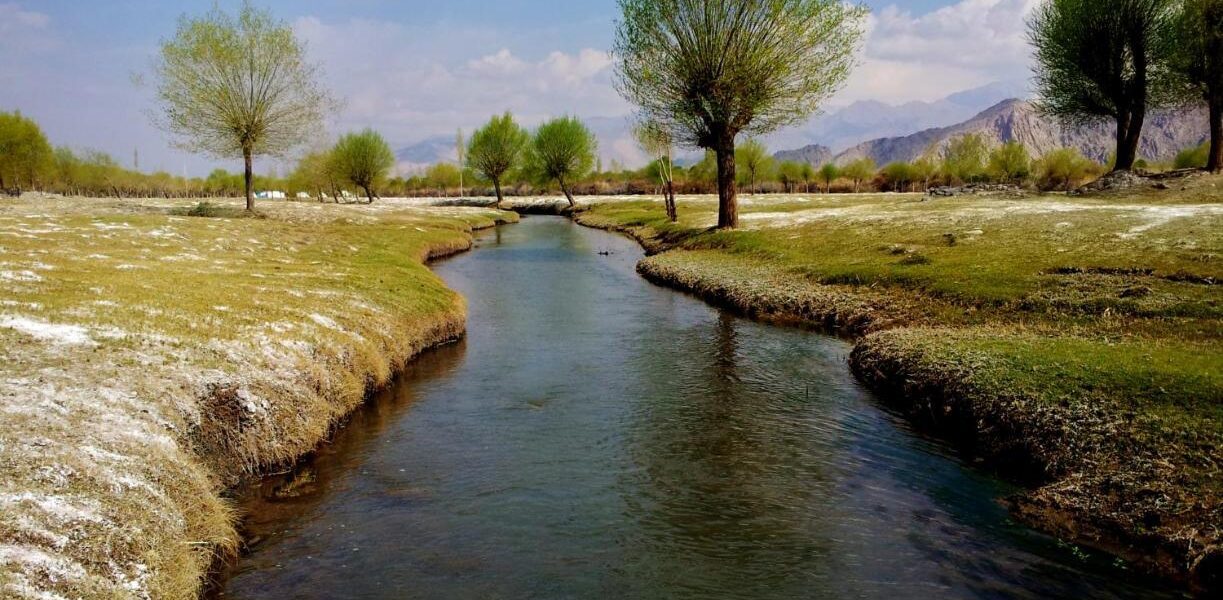
If you want to understand Ladakh without turning it into a lecture, follow the water. Irrigation channels are not only engineering, they are a kind of calm grammar. They show where time is shared, where work is repeated, where green is allowed to exist. You hear the trickle before you see it, and then you notice the contrast: a narrow line of water creating a vivid strip of life against dust. On a walk between monasteries Ladakh, this contrast becomes one of the most memorable images, because it is both beautiful and practical.
Paths often run near channels because channels run near life. You meet people where water meets work. You notice small repairs: stones repositioned, edges tidied, a gap closed so the flow stays true. The valley is not romantic about its own survival. It simply maintains itself, and that maintenance is visible. This is a gift to the writer, because it allows you to describe resilience without speeches. In the high, bright stillness, the sound of water is enough.
The practical advice fits naturally here. Stay on obvious paths. Do not step into field edges that look fragile. Be careful where channels run close to the trail, especially if the ground is uneven. Carry enough water for yourself even while you walk beside water you cannot drink. These habits keep the day comfortable. A walk between monasteries Ladakh becomes more enjoyable when comfort allows attention to remain open.
Describe what the senses learn: coolness near the channel, dust warmed by sun, the faint smell of earth where green exists. These details serve the reader better than abstract claims. They help a traveller picture the day, and they make the walk feel real before it happens.
Two Monasteries, and the Silence Between Them
Approaching the first monastery: a climb that clears the mind without drama
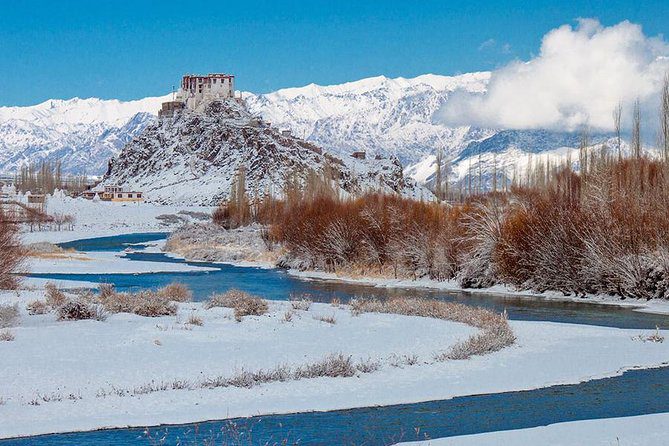
The first monastery often appears before you reach it. In Ladakh, distance is visible. You can see where you are going, and yet it takes time, because paths meander and altitude asks for sense. As you approach, the day changes texture. Steps begin, honest and uneven, and your breathing becomes slightly louder. This is not hardship. It is clarity. A walk between monasteries Ladakh becomes unmistakably physical here, and that physicality gently strips the mind of unnecessary noise.
The monastery precinct holds a different kind of quiet. White walls catch sun so cleanly that shadows look blue. Prayer flags move overhead with soft insistence. Inside, lamps burn steadily. Corridors hold cool air. Murals wait in dim corners, their colours softened by time. The temptation is to explain everything, to translate the place into facts. Resist that impulse. Let perception lead. A walk between monasteries Ladakh is not improved by turning it into a lecture. It is improved by letting silence remain intact.
In thin air, thought becomes slower, less a sentence and more a gaze held quietly on stone and light.
When you leave the first monastery, you carry its quiet like a small weight, not heavy, simply present. Your steps become softer. Your attention becomes steadier. This is the subtle transformation the walk offers: it makes you more receptive without demanding that you perform reverence. A walk between monasteries Ladakh can be spiritual only in the sense that it returns you to a calmer way of noticing.
The wide middle and the second monastery: an arrival that does not need a finale
The middle stretch after the first monastery is often the most generous part of the day. The pressure of arriving dissolves. Paths widen into open ground. Villages and fields appear and recede. If you catch the Indus line, it gives the landscape a steady direction without insisting on speed. You may find tea at the right moment, warm enough to feel like shelter. You may find shade behind a wall where the temperature drops pleasantly. These small comforts are the true luxury of a walk between monasteries Ladakh, because they make the day humane.
Wind follows you. Sometimes it is playful, sometimes sharp. Prayer flags become sound rather than symbol, the soft percussion of cloth in clear air. Encounters remain light: a greeting, a passing pony, a child rolling a tyre. The day does not demand that you turn each moment into a story. It offers impressions, and impressions are often the most accurate souvenirs. A walk between monasteries Ladakh in the afternoon becomes less about collecting and more about moving well.
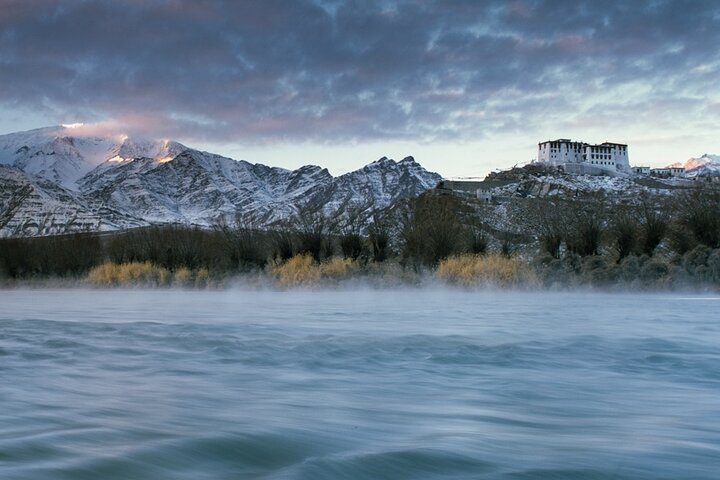
The second monastery arrives without needing to be a finish line. Perhaps it catches late light and looks luminous against the hillside. Perhaps you approach slowly, with the pleasant fatigue that comes from walking honestly. When you enter, you do not need to do anything. Sit. Listen. Notice how the place sounds like a working monastery, not a museum: soft footsteps, a door closing, a murmur. The walk between monasteries Ladakh ends in practical terms, but it does not conclude in the mind. It leaves an afterimage of dust on shoes and calm in breathing, which is a better ending than any triumph.
FAQ

Planning and safety questions that deserve calm, practical answers
Is this a difficult walk?
For many travellers, it is more a walk than a hike, but altitude changes the meaning of easy. A gentle incline can feel demanding if you push too fast. Walk slowly, pause often, and treat steady breathing as your main goal. A walk between monasteries Ladakh works best when you allow the day to stay comfortable.
How long does it take?
Time depends on detours, tea stops, and acclimatisation. Many people enjoy a half day version, while others let it stretch into a full day with long pauses. If fatigue arrives suddenly or breathing becomes sharp, shorten the plan without guilt. A walk between monasteries Ladakh remains successful when it remains pleasant.
Is it safe to walk alone near Leh?
In daylight and on commonly used paths near villages, many travellers feel comfortable, especially if they carry enough water and remain weather aware. Tell someone where you are going, keep your phone charged, and avoid late evening wandering on unfamiliar tracks. A walk between monasteries Ladakh is safest when it stays simple and daylight bright.
Do I need a guide?
Confident, acclimatised walkers can manage independently near populated areas where paths are clear. A local guide can deepen context and reduce uncertainty, especially on a first visit, while keeping the day unhurried. A walk between monasteries Ladakh can be excellent either way, if you choose the option that keeps you relaxed.
These answers share one principle: build a forgiving day. Ladakh rewards patience. A walk between monasteries Ladakh becomes easier when you treat comfort and awareness as part of the experience, not as afterthoughts.
Clothing, etiquette, and the small manners that keep the day elegant
What should I wear for walking in Ladakh?
Dress in layers. Sun can be strong while air remains cool, and wind can arrive suddenly. Good walking shoes matter more than specialised gear. A hat, sunglasses, and sun protection are useful in clear high altitude light. A light bag makes a walk between monasteries Ladakh feel kinder.
How should I behave at monasteries?
Move gently, keep your voice low, and follow posted guidance. Remove shoes where appropriate and avoid touching sacred objects unless invited. Silence is not a performance. It is simply the tone that suits a walk between monasteries Ladakh and makes the visit feel respectful and calm.
Can I take photos inside monasteries or of local people?
Photography rules vary. Courtyards are often fine, interiors may be restricted. When in doubt, ask. For people, request permission, especially for close portraits, and accept refusal gracefully. A walk between monasteries Ladakh becomes more pleasant when interactions remain simple and courteous.
What makes this walk different from a typical Leh itinerary?
A typical itinerary collects sites. This day collects texture: light on walls, water in channels, quiet in courtyards, and the slow rhythm of a valley that does not hurry. A walk between monasteries Ladakh is memorable because it leaves you with presence, not only photographs.
Etiquette is practical, not decorative. When you move lightly, you create less friction for yourself and for others. That ease is what allows the day to remain elegant from start to finish.
Conclusion
Clear takeaways: pace, attention, and the value of the in between

The simplest lesson from this day is also the most useful: let pace be your itinerary. Altitude changes everything, so the correct method is slow walking, frequent pauses, and water taken before thirst arrives. This is not only safety advice. It is the route to pleasure. A walk between monasteries Ladakh becomes genuinely beautiful when your breathing is calm enough to notice small details: blue shadow on a white wall, wind moving prayer flags, the quiet sound of water that keeps fields alive.
The second takeaway is that the in between matters more than the endpoints. Monasteries give the day a frame, but villages, footpaths, and irrigation channels provide its texture. If you wander a little, pause longer than expected, or arrive later than planned, you have not failed. You have allowed Ladakh to remain a living place rather than a checklist. A walk between monasteries Ladakh is not measured in how many sites you tick off, but in how present you feel while moving.
The third takeaway is etiquette as ease. Keep voices low near homes. Do not cut across fields. Ask before photographing people and respect quiet inside monasteries. These gestures protect the calm that makes the day memorable, and they also protect the traveller from awkwardness. A walk between monasteries Ladakh remains smooth when you treat the valley as something you borrow for a few hours, returning it unchanged.
If you want a practical image plan to match this mood, choose bright, modern photographs: clear daylight, white walls, blue shadows, poplars and the Indus line, prayer flags against blue sky, and a courtyard where sunlight pools. Let light be the theme. Light is what Ladakh gives most generously.
A closing note that lingers: dust on shoes, calm in breathing, and a day that stays with you
Later, in a different climate, you may remember Ladakh less as a sequence of views and more as a sensation. You may remember how the air made you slow down, and how slowing down made the day more generous. You may remember the warmth of tea in your hands, the precision of light that makes ordinary walls quietly beautiful, and the moment a blue shadow seemed to prove that colour can be silent.
That is the gift of walking without a plan. It returns attention to a size that fits the body. In a world that teaches you to optimise every hour, a walk between monasteries Ladakh offers a counter lesson without preaching. Let the day be slower than ambition. Let small moments count. Let silence do some of the talking. When you finally sit near the second monastery, you may realise you have not simply travelled through Ladakh. You have allowed Ladakh to travel through you, settling into posture and breath like a quiet correction.
If one uncomplicated truth is worth carrying home, it is this: a walk between monasteries Ladakh is not about proving endurance. It is about learning a calmer way to move through a place that is both resilient and delicate. You return with dust on your shoes, a steady warmth inside the chest, and the feeling that you walked well. Not fast. Not far. Well.
Sidonie Morel is the narrative voice behind Life on the Planet Ladakh,
a storytelling collective exploring the silence, culture, and resilience of Himalayan life.