
- Introduction
- Description
- Habitat and Distribution
- Behavior and Lifespan
- Diet
- Conservation Status
- Importance in Ladakh
- Cultural Significance
- Conservation Success Stories
- Customer Testimonial
- Q&A Section
Introduction
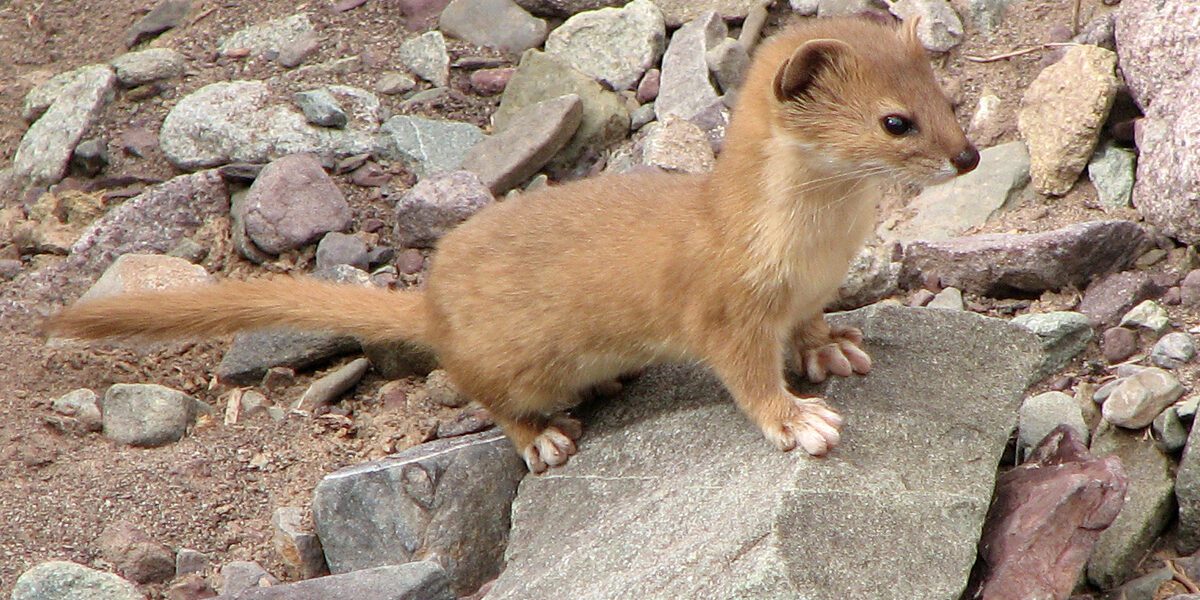
The mountain weasel (Mustela altaica), also known as the pale weasel, Altai weasel, or solongoi, is a fascinating and elusive creature. Found primarily in high-altitude regions such as Ladakh, India, this predator is a vital part of the ecosystem. With its unique features, behaviors, and habitat preferences, the mountain weasel captures the imagination of wildlife enthusiasts and researchers alike.
Description
The mountain weasel is a small yet agile carnivorous mammal. It displays slight sexual dimorphism, with males being slightly larger than females. Below is a detailed breakdown of its physical characteristics:
| Characteristic | Males | Females |
|---|---|---|
| Head and Body Length | 22–28 cm | 21–24 cm |
| Tail Length | 10–14.5 cm | 9–11.5 cm |
| Weight | 217–350 g | 122–220 g |
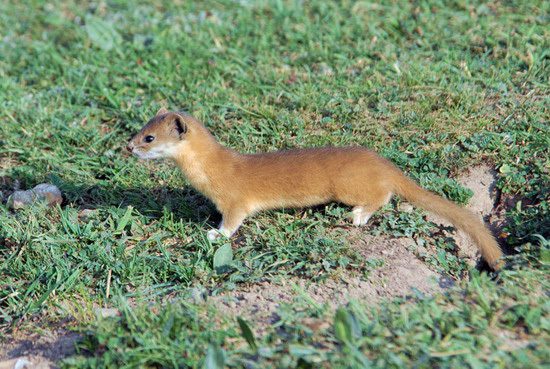
The mountain weasel undergoes seasonal molting, adapting its coat to different seasons. The winter coat is dark yellowish to ruddy brown, while the summer coat is gray-brown with light yellow undertones. Distinct features include white lips, grayish vibrissae, and a rufous tail.

Habitat and Distribution
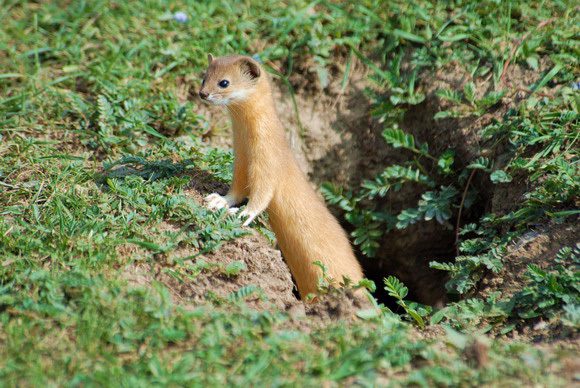
Mountain weasels primarily inhabit mountainous regions, rocky tundra, and grassy woodlands. Ladakh, India, is one of their most common habitats. They thrive at altitudes ranging from 1,500 to over 3,500 meters. Here’s a geographical breakdown:
- Regions: Himalayas, Tibet, Mongolia, and southern Siberia
- Countries: India, Kazakhstan, Nepal, Bhutan, and Russia
Their adaptability extends to living near human settlements, where they rest in rock crevices, tree trunks, or burrows.
Subspecies and Distribution
Six subspecies of mountain weasels have been identified, varying in fur color and size. Their range includes diverse habitats like taiga forests, tundra, and highland steppes.
Behavior and Lifespan
Mountain weasels are known for their solitary and nocturnal behaviors. However, they are occasionally active during the day. Their agility allows them to climb, swim, and run effortlessly.
Reproductive Behavior
Mating occurs in February or March, with litters born in May. The gestation period ranges from 30 to 49 days, often involving delayed implantation. Litters typically consist of 1–8 altricial young that remain dependent on their mother for two months.
Lifespan
While the exact lifespan of mountain weasels is unknown, they are believed to live 7–10 years, similar to other members of the Mustela genus.
Diet
Mountain weasels are strict carnivores with a diverse diet:
- Primary Prey: Pikas and voles
- Other Prey: Ground squirrels, muskrats, rabbits, small birds, lizards, frogs, fish, and insects
In captivity, adult males require 45–54 g of meat daily, but they may kill considerably more in the wild.
Conservation Status
The mountain weasel is listed as “Near Threatened” by the IUCN. Threats include:
- Habitat destruction from human development
- Overgrazing by livestock
- Road traffic fatalities
Efforts to protect this species include its inclusion in the Wildlife Protection Act of 1972 (India) and nature reserves like the West Altai State Nature Reserve in Kazakhstan.
Importance in Ladakh
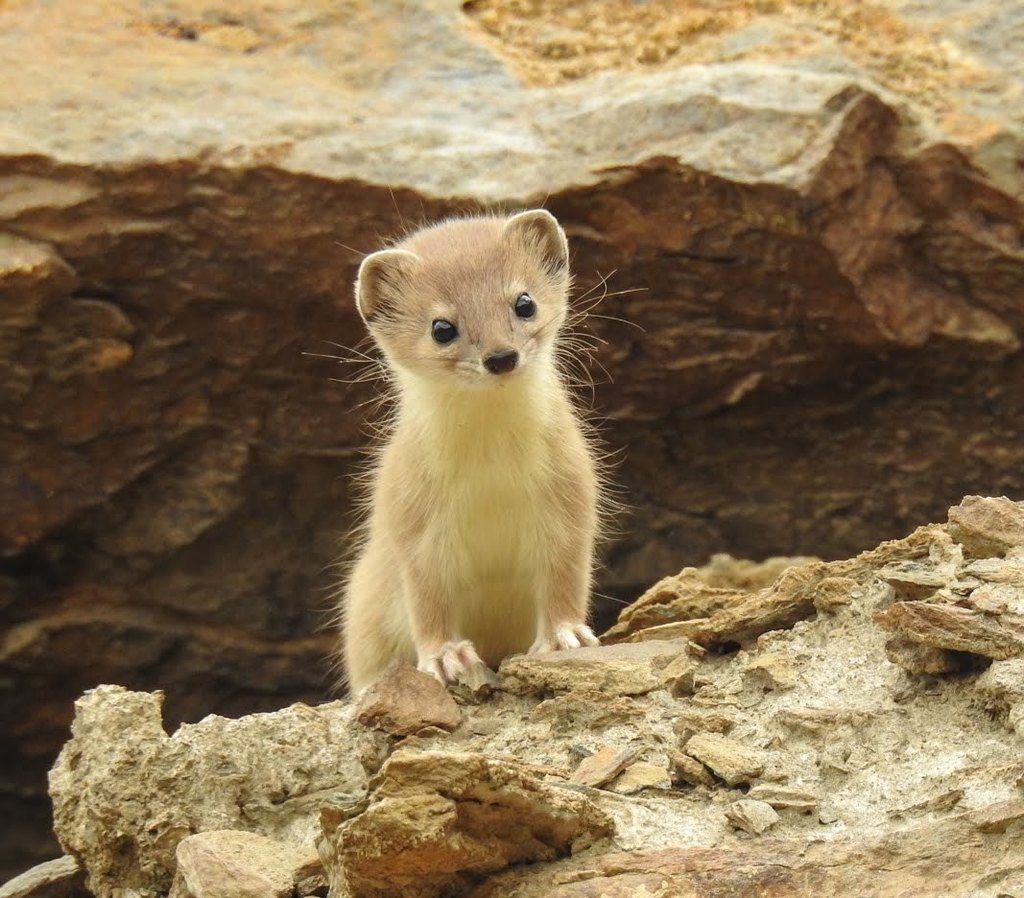
In Ladakh, the mountain weasel plays a crucial ecological role by controlling rodent populations. Its presence supports the balance of alpine ecosystems, which are vital to the region’s biodiversity. Additionally, the weasel’s adaptability to Ladakh’s high-altitude environment makes it a subject of ecological and conservation interest.
Cultural Significance
Mountain weasels have been mentioned in local folklore and are sometimes considered symbols of agility and survival. In Ladakh, their role in pest control aligns with the traditional agricultural practices, making them indirectly valuable to local farming communities.
Conservation Success Stories
One of the most successful initiatives to protect mountain weasels is the West Altai State Nature Reserve in Kazakhstan. This reserve preserves not only the weasels but also their primary prey, such as pikas. Other conservation efforts include the creation of wildlife corridors and habitat restoration programs in Ladakh.
These success stories highlight the importance of international cooperation and community involvement in preserving these unique creatures.
Customer Testimonial
“Observing the mountain weasel in Ladakh was a once-in-a-lifetime experience. Its agility and beauty are unmatched. Protecting this species is essential for maintaining ecological balance in the region.” — John Davis, Wildlife Photographer, USA
Q&A Section
- What is the primary habitat of mountain weasels?
Mountain weasels inhabit high-altitude regions, rocky tundra, and grassy woodlands. - What do mountain weasels eat?
They primarily feed on pikas and voles, but their diet also includes small mammals, birds, lizards, and insects. - Why are mountain weasels listed as Near Threatened?
Habitat loss, overgrazing, and road fatalities contribute to their declining population. - What conservation efforts are in place?
They are protected under the Wildlife Protection Act of 1972 in India and by several nature reserves in Asia. - Where is the mountain weasel most commonly found?
The species is most commonly found in Ladakh, India.