
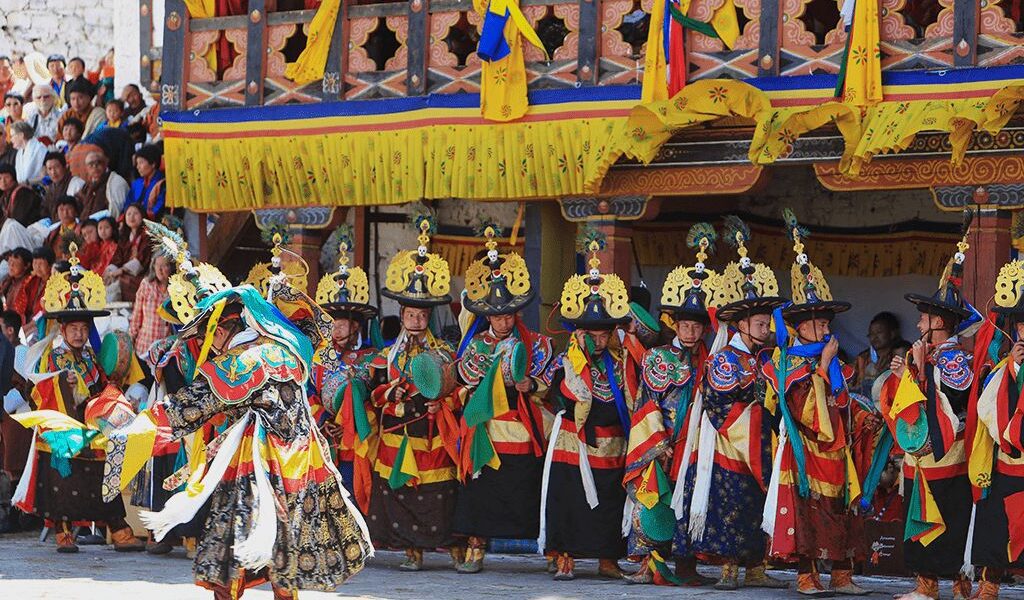
Ladakh’s unique blend of breathtaking Himalayan scenery and rich cultural heritage makes it an incredible destination for those interested in trekking and traditional festivals. The Ladakhi Lunar Calendar Trek offers a one-of-a-kind experience that combines exploring Ladakh’s rugged trails with the immersive experience of participating in time-honored Buddhist festivals. Each year, these festivals bring Ladakh’s vibrant traditions, spirituality, and community spirit to life, offering visitors a journey unlike any other.
Understanding Ladakh’s Lunar Calendar and Festivals
The Ladakhi Lunar Calendar and Its Cultural Significance
The Ladakhi lunar calendar follows Buddhist traditions, with each phase of the moon marking significant dates for festivals and rituals. Unlike the Gregorian calendar, Ladakhi festivals do not fall on fixed dates each year; instead, they shift according to the lunar cycle. This calendar is woven into the cultural and spiritual fabric of Ladakh, guiding the timing of celebrations and ceremonies across the region.
For trekkers, aligning a journey with these festivals offers an incredible way to connect with the culture. Festivals are held in various monasteries and villages, often in remote parts of Ladakh, making the trek both a cultural and spiritual adventure.
Why Trek During Ladakhi Festivals?
Trekking during Ladakhi festival seasons is a unique experience for many reasons:
- Cultural Immersion: By trekking during festival time, travelers experience Ladakh’s culture beyond the landscape.
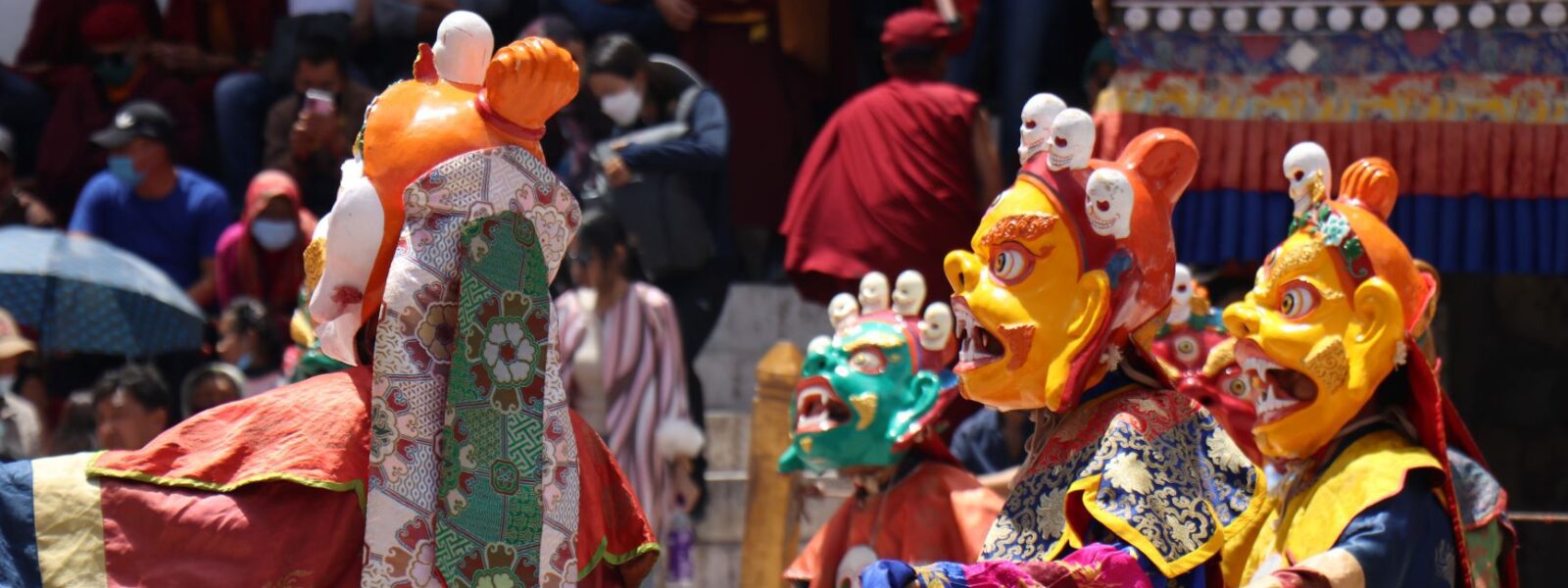
- Spiritual Encounters: Witnessing monks perform rituals, chant prayers, and practice centuries-old dances offers insight into the spiritual lives of Ladakhis.
- Scenic Backdrops: Festivals often take place in monasteries nestled in dramatic mountain landscapes, adding beauty to the spiritual experience.
“Attending the Hemis Festival while trekking was transformative! The energy, colors, and devotion were breathtaking. It’s a memory I’ll cherish forever.” – Emma Smith, Travel Blogger, USA
Major Festivals on the Ladakhi Lunar Calendar
Below is a table outlining Ladakh’s major festivals for the years 2024 and 2025, with locations and dates to help trekkers plan accordingly.
| Festival Name | Location | Dates 2024 | Dates 2025 |
|---|---|---|---|
| Spituk Gustor | Spituk Monastery | 09-10 Jan | 27-28 Jan |
| Dosmochey | Leh, Likir, Diskit | 07-08 Feb | 26-27 Feb |
| Stok Guru Tsechu | Stok Palace | 19-20 Feb | 09-10 Feb |
| Matho Nagrang | Matho Monastery | 23-24 Feb | 13-14 Feb |
| Saka Dawa | All over Ladakh | 23 May | 11 Jun |
| Yuru Kabgyat | Lamayuru Monastery | 03-04 Jun | 22-23 Jun |
| Hemis Tsechu | Hemis Monastery | 16-17 Jun | 05-06 Jul |
Hemis Festival – A Celebration of Buddhism
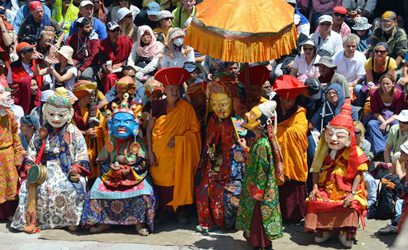
The Hemis Festival is held at Hemis Monastery, one of the largest monasteries in Ladakh. Taking place in June or July, this festival celebrates the birth anniversary of Guru Padmasambhava, the founder of Tibetan Buddhism.
Highlights:
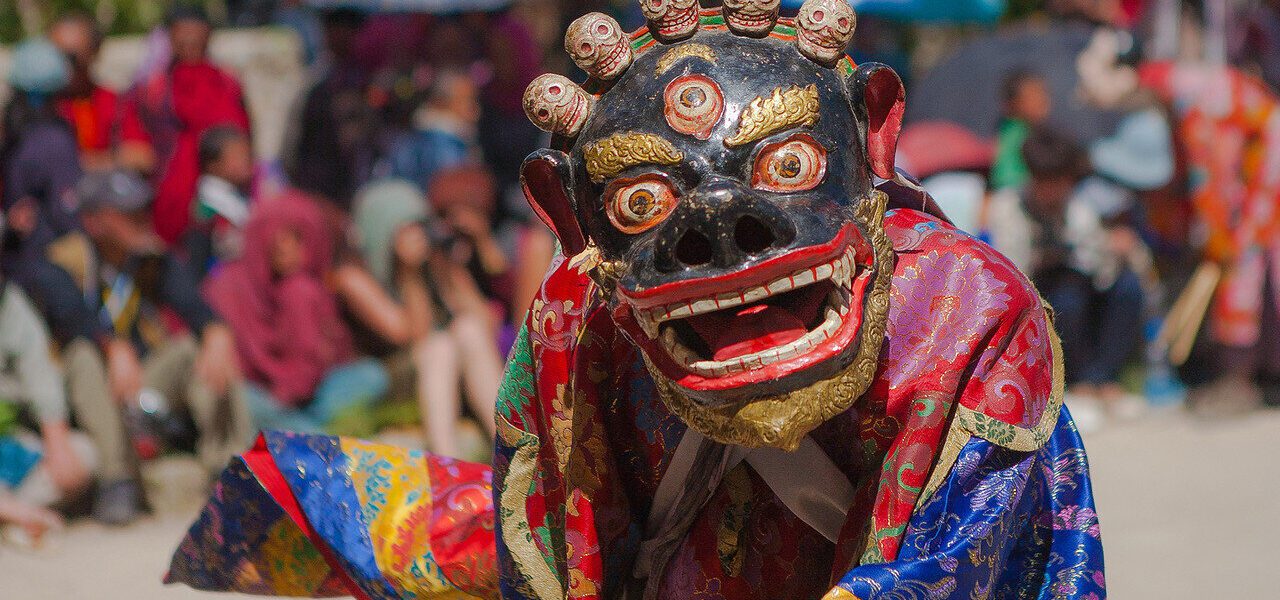
- Masked dances representing the victory of good over evil.
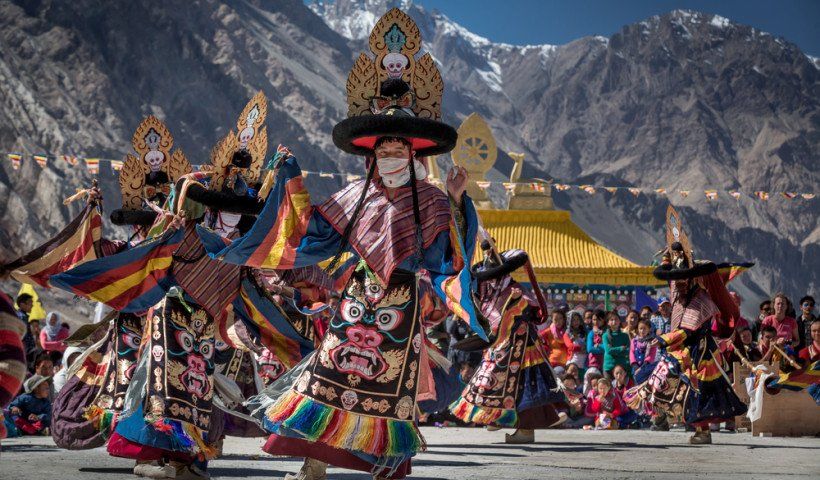
- Lavish, colorful costumes worn by monks during performances.
- Pilgrims and tourists join together in the celebration.
“The energy at Hemis Festival was incredible. Seeing the monks perform ancient dances in those vibrant costumes felt like stepping into a different world.” – Carlos Moreno, Photographer, Spain
Dosmoche Festival – The Festival of the Scapegoat
Celebrated in February, Dosmoche takes place in Leh, Likir, and Diskit monasteries. Known as the “Festival of the Scapegoat,” it involves ritual dances and ceremonies to ward off evil and bring good fortune.
Highlights:
- Rituals to drive away negative energies and promote community well-being.
- Dances with symbolic masks and costumes.
- A festive atmosphere in Leh’s main market.
Losar – Ladakhi New Year
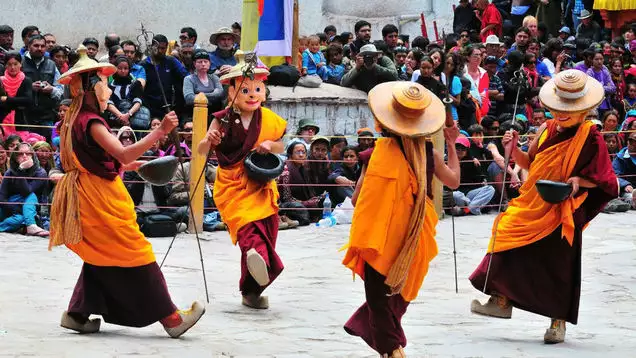
The Losar Festival marks the beginning of the Ladakhi New Year. Observed with traditional rituals, family gatherings, and colorful decorations, Losar is a time of renewal.
Highlights:
- Ladakhis decorate homes with prayer flags and offerings.
- Monks perform rituals to protect against misfortune in the coming year.
- Families gather to feast and pray together.
“The warmth of Ladakhis during Losar touched my heart. Despite the winter chill, I felt a part of the community.” – Lucas Johnson, Anthropologist, Canada
Matho Nagrang – The Oracle Festival
Matho Nagrang, held in February at Matho Monastery, is known for its oracle performances. Monks prepare for weeks through meditation and fasting to become oracles, believed to channel spiritual guidance.
Highlights:
- Unique oracle rituals by monks.
- Insight into Ladakh’s spiritual beliefs.
- A chance to witness spiritual practices usually closed to outsiders.
Planning Your Ladakhi Lunar Calendar Trek
Best Time for the Festival Trek
The ideal trekking seasons align with festival dates in both winter and summer:
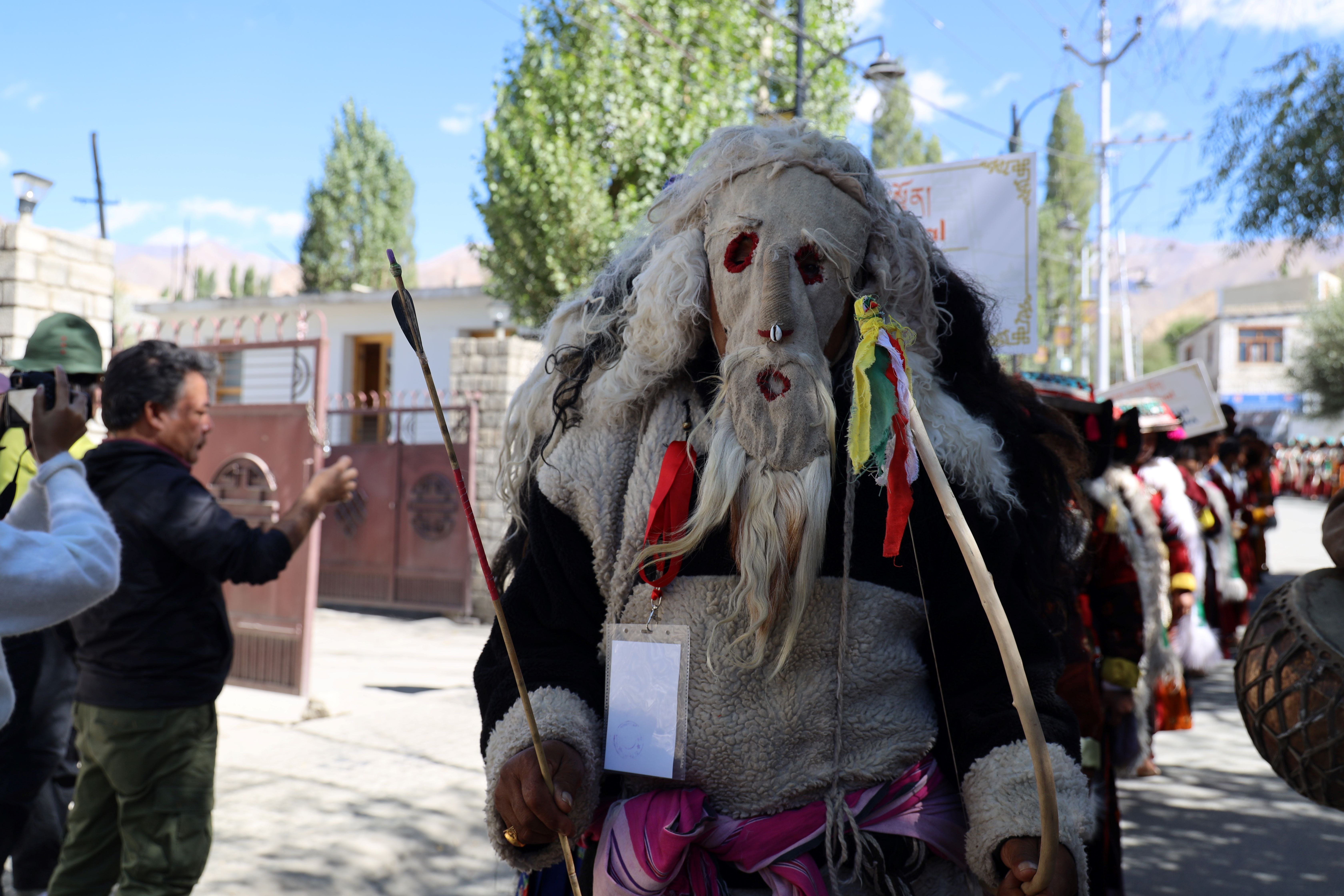
- Winter Treks: January and February are perfect for winter festivals like Spituk Gustor and Dosmoche.
- Summer Treks: June and July host major festivals like Hemis Tsechu and Yuru Kabgyat, suitable for warmer, high-altitude treks.
Festival Trekking Tips:
- Plan Ahead: Trekking during festival time can mean higher demand for accommodations.
- Acclimatize Properly: Altitudes can vary greatly; acclimatization is essential, especially for winter treks.
“The warmth of locals, despite the cold temperatures, was heartwarming. Being prepared for the altitude and weather made all the difference.” – Lily Davidson, Teacher, UK
Essential Gear for Festival Treks
- Warm Layers: Winter festivals in Ladakh can be frigid; pack quality thermal layers.
- Traditional Offerings: Visitors are encouraged to offer small donations at monasteries.
- Eco-Friendly Essentials: Bring reusable water bottles and biodegradable toiletries to minimize environmental impact.
Top Trekking Routes During Ladakhi Festivals
Hemis Monastery Trek
The Hemis Monastery trek provides a scenic route through lush valleys and rugged mountains. This trek aligns perfectly with the Hemis Festival, giving trekkers a chance to experience both nature and culture.
- Highlights: Stunning mountain views, cultural immersion, and visits to remote monasteries.
- Difficulty: Moderate; suitable for trekkers with a basic fitness level.
Leh and Nearby Monasteries for Dosmoche Festival
During the Dosmoche Festival, Leh’s main monasteries, including Likir and Diskit, are alive with celebrations. Trekking around Leh offers easy access to festival sites while taking in views of the Indus Valley.
- Highlights: Cultural activities in Leh, visits to nearby monasteries.
- Difficulty: Easy to moderate; suitable for most skill levels.
Experiencing Ladakhi Culture First-Hand
Ladakhi Cuisine and Festival Delicacies
Ladakhi festivals are filled with unique local foods:
- Butter Tea: A salty, buttery tea served warm, perfect for the cold weather.
- Momos: Traditional dumplings filled with meat or vegetables.
- Skyu: A hearty noodle soup, typically prepared for festive occasions.
“Trying traditional Ladakhi food, especially butter tea, was an experience I didn’t expect to love. It was such a comfort in the cold.” – Marie Dubois, Culinary Writer, France
Traditional Dance and Costumes
Ladakhi festivals showcase colorful costumes and traditional dances:
- Chhams: Masked dances performed by monks, symbolizing stories from Buddhism.
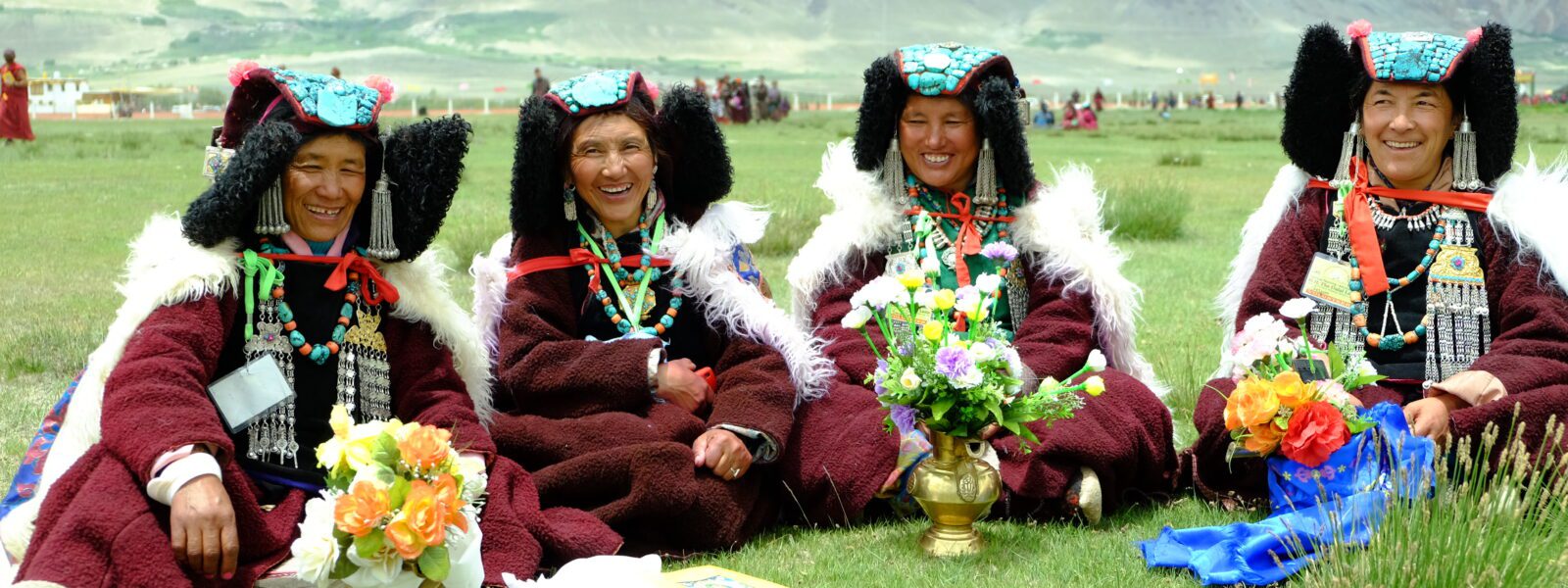
- Traditional Attire: Monks and participants wear vibrant robes and symbolic masks.
Sustainable and Respectful Trekking in Ladakh
Eco-Friendly Travel Tips for Ladakhi Treks
Ladakh’s fragile environment requires visitors to tread carefully. Follow eco-friendly practices:
- Leave No Trace: Dispose of waste responsibly.
- Support Local Businesses: Buy from local artisans and donate to monasteries.
- Minimize Plastic Use: Use reusable items whenever possible.
“As an ecotourist, I appreciated the locals’ efforts in preserving their land. Following simple practices made my trek more rewarding.” – Sarah Wilson, Environmental Scientist, Australia
Conclusion: The Journey of a Lifetime on the Ladakhi Lunar Calendar Trek
The Ladakhi Lunar Calendar Trek is more than just a trek through stunning landscapes. It’s a journey into a living cultural heritage that offers travelers a glimpse of Ladakh’s spiritual side. From vibrant festivals like Hemis Tsechu to the sacred rituals of Dosmoche, this trek brings travelers closer to the heart of Ladakhi culture.
FAQs
What is the best time to experience the Ladakhi Lunar Calendar Trek?
Winter (January-February) and summer (June-July) are ideal, aligning with major festivals.
Do I need any special permits for trekking in Ladakh?
Yes, permits are often required, especially for certain protected areas.
How can I show respect during Ladakhi festivals?
Dress modestly, avoid disrupting ceremonies, and follow photography guidelines.
What are some eco-friendly practices for Ladakh?
Use reusable water bottles, dispose of waste responsibly, and avoid plastic.
Is it safe to trek in Ladakh during winter?
Yes, but proper gear and acclimatization are essential due to cold and altitude.