
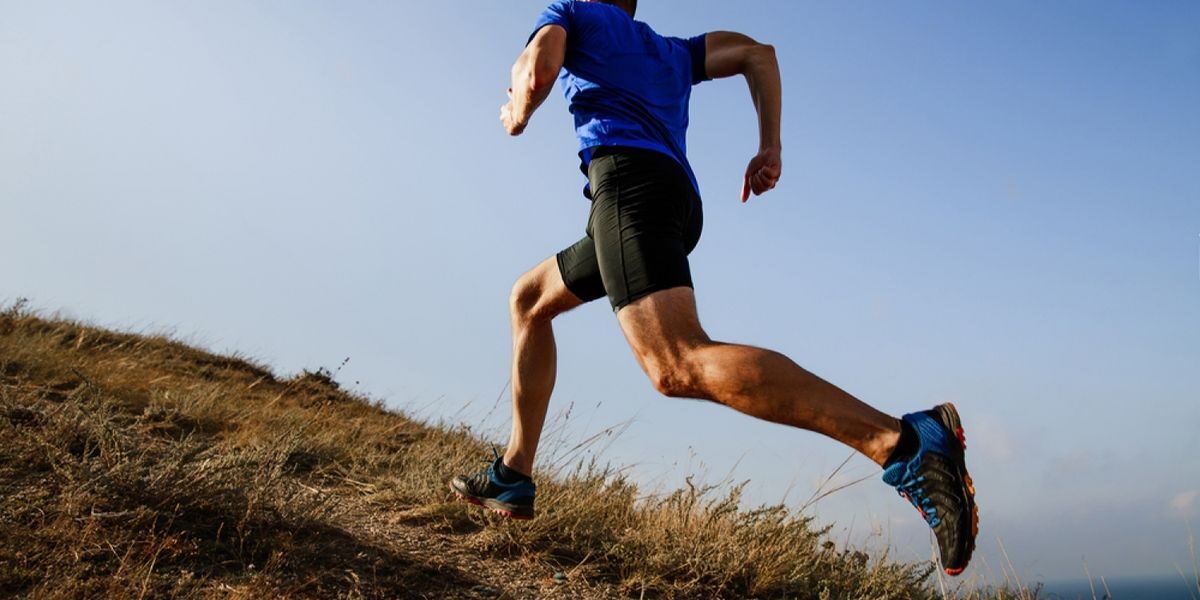
Fitness Tips for High-Altitude Treks in Ladakh: Embarking on a high-altitude trek in Ladakh is an exhilarating adventure that challenges both your body and mind. However, trekking at an elevation of 15,000 feet or more requires more than just enthusiasm; it demands top-notch fitness, preparation, and understanding of the unique challenges posed by the altitude. In this guide, we will walk you through the essential fitness tips to help you stay strong and perform optimally on a Ladakh high-altitude trek.
—
Why Fitness is Key for High-Altitude Treks in Ladakh
The Physical Demands of High-Altitude Treks
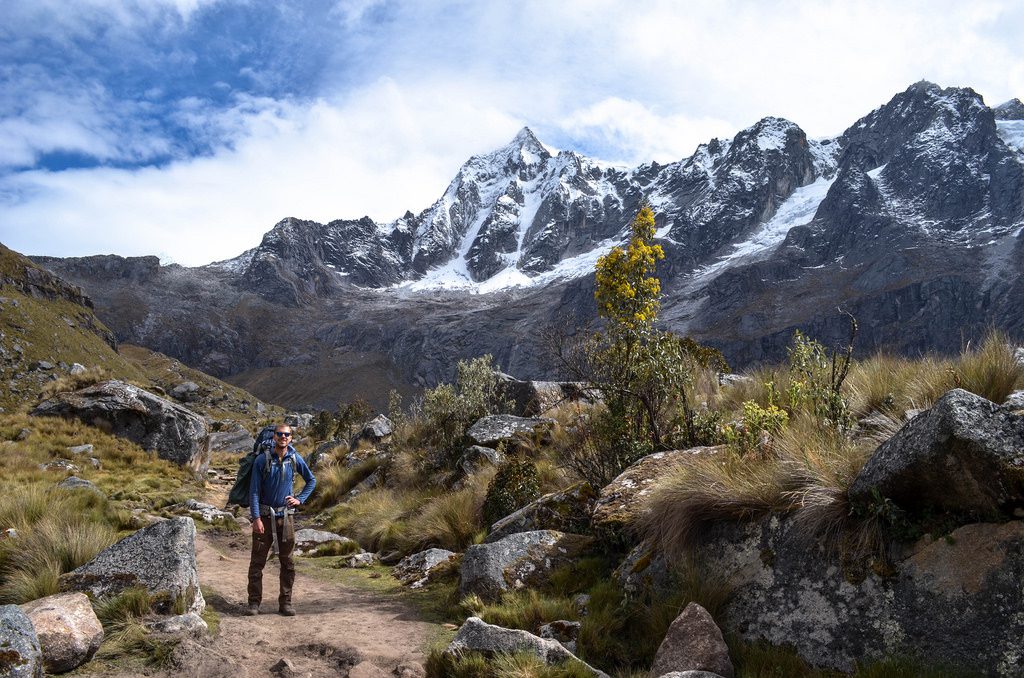
High-altitude trekking in Ladakh involves hiking through rugged terrains, steep ascents, and descents, all while coping with reduced oxygen levels at 15,000 feet or higher. At these altitudes, your body works harder to get the oxygen it needs, making even simple tasks feel more strenuous. Without proper fitness, trekkers may experience fatigue, muscle soreness, and even altitude sickness.
“I followed a strict fitness regimen for three months before my trek in Ladakh, and it paid off. The steep climbs were tough, but I managed to keep up with my group.”
— David L., Teacher, USA
—
The Importance of Acclimatization for High-Altitude Treks
Acclimatization is the process of gradually adjusting to higher altitudes. It’s essential for avoiding acute mountain sickness (AMS), a common issue when trekking above 10,000 feet. Without proper acclimatization, symptoms such as headaches, dizziness, and shortness of breath can set in.
For best results, plan your trek with rest days to help your body adjust, and incorporate breathing techniques like controlled breathing and diaphragm exercises to cope with lower oxygen levels.
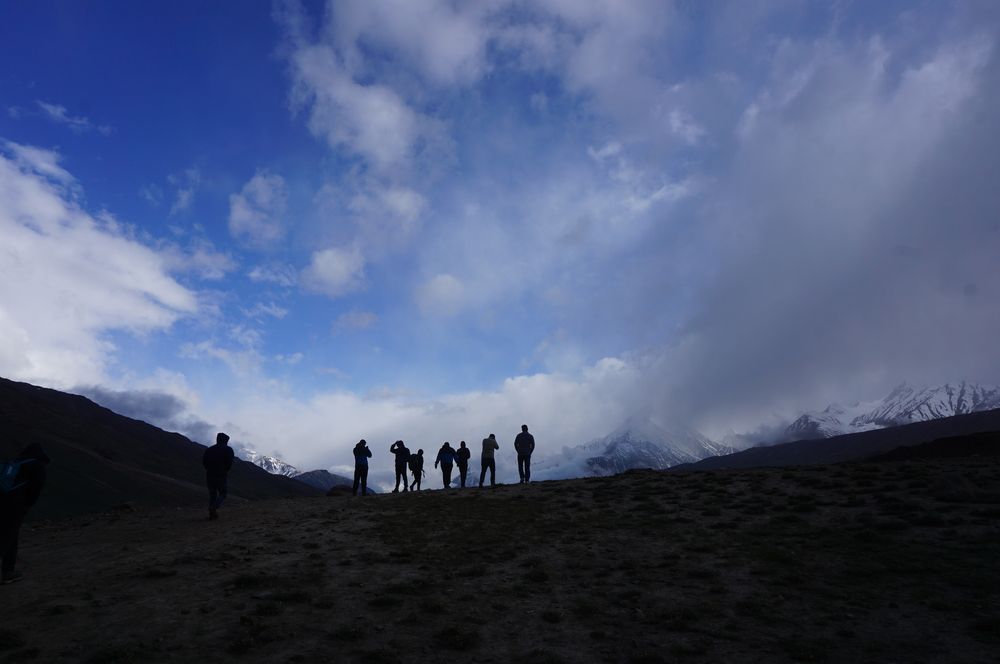
“I made sure to take it slow and rest every few days. My fitness helped me handle the trek, but acclimatization was key.”
— Priya M., Software Developer, India
—
Pre-Trek Training: Building Endurance and Strength
Endurance Training for Ladakh’s High Altitudes
Trekking at 15,000 feet is physically taxing, making endurance training critical. Activities like running, cycling, and swimming improve your cardiovascular capacity, allowing your body to efficiently use oxygen.
We recommend starting endurance training at least 3-6 months before your trek. Aim for activities that elevate your heart rate, such as:
- Running: Start with 20-30 minute runs, gradually increasing to an hour.
- Cycling: Uphill cycling is excellent for building leg strength and stamina.
- Hiking: If possible, practice on inclines to simulate the uphill treks in Ladakh.
A well-conditioned cardiovascular system helps reduce the strain on your body in a low-oxygen environment.
“The cardio training I did before my trek was a game-changer. I could keep going even when the air got thin.”
— Alice R., Travel Blogger, Australia
—
Strength Training to Handle Steep Ascents and Descents
To tackle Ladakh’s steep climbs, your leg muscles, core, and upper body need to be strong and stable. Focus on:
- Leg exercises: Squats, lunges, and step-ups to build quad and hamstring strength.
- Core exercises: Planks, Russian twists, and mountain climbers for core stability.
- Upper body strength: Push-ups and pull-ups to support balance and weight while carrying a backpack.
Building muscular strength helps protect your joints from injury and improves your ability to maintain balance on rocky or uneven trails.
—
Flexibility and Mobility Exercises to Prevent Injuries
Flexibility is often overlooked in fitness preparation but is crucial for preventing injuries like sprains or muscle strains during a trek. Stretching routines, especially targeting your hamstrings, calves, and hip flexors, increase mobility and improve your range of motion.
Incorporate these exercises into your workout plan:
- Hamstring stretches: To prepare for downhill walking.
- Hip flexor stretches: Essential for long uphill climbs.
- Calf stretches: Vital for tackling steep inclines.
“I noticed a huge difference after adding yoga and flexibility training to my routine. It helped me stay agile and avoid injuries.”
— Robert G., Architect, UK
—
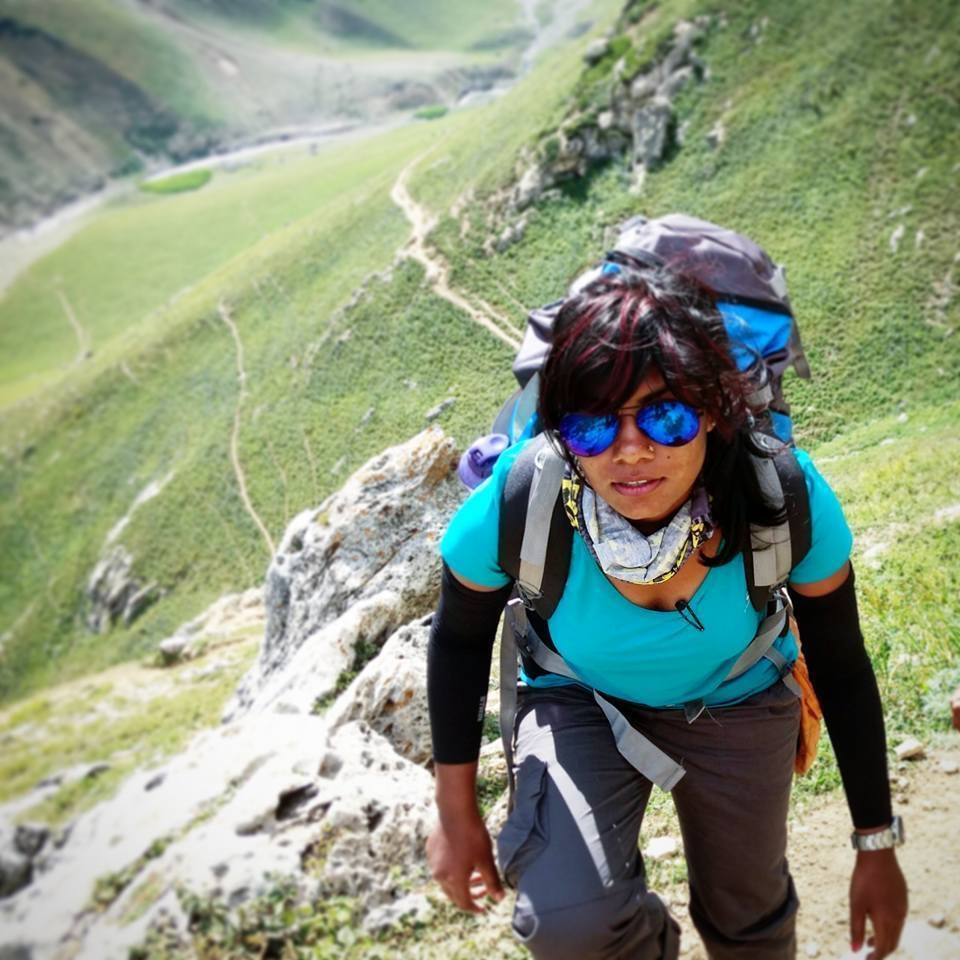
Trekking Nutrition: Fueling Your Body for Success
Essential Nutrition for High-Altitude Treks
Proper nutrition is critical for sustained energy during your trek. Carbohydrates are your best friend at high altitudes because they provide a quick and steady source of energy. Include:
- Complex carbs: Brown rice, whole grains, and oats for sustained energy.
- Proteins: Lean meats, eggs, and legumes to maintain muscle mass.
- Healthy fats: Nuts, seeds, and olive oil to keep you satiated and fueled for long hours.
“A high-carb diet was key to maintaining my energy levels on the trek. I also carried protein bars for a quick snack.”
— Samantha L., Marketing Manager, Canada
—
Hydration Strategies for High-Altitude Climates
At high altitudes, dehydration is a common problem due to increased respiration and lower humidity. Drink at least 3-4 liters of water per day and include electrolyte supplements to replace lost minerals. Avoid alcohol and caffeine as they can lead to dehydration.
—
Mental Preparation for High-Altitude Trekking
Building Mental Toughness for Trekking at 15,000 Feet
Mental resilience is just as important as physical fitness when trekking in extreme conditions. Long treks, physical exhaustion, and altitude-related challenges can take a toll on your mental health. Meditation, visualization, and positive affirmations can help you maintain focus and push through difficult moments.
“The trek was tough, but staying mentally focused helped me push through the hardest parts. A positive mindset is everything.”
— John M., Engineer, Germany
—
Dealing with Altitude Sickness: Prevention and Recovery
Recognizing the Symptoms of Altitude Sickness
Altitude sickness can strike even the fittest trekkers, and recognizing the symptoms early can prevent serious complications. Symptoms include:
- Headaches
- Nausea
- Dizziness
- Shortness of breath
To avoid altitude sickness, ascend gradually, stay hydrated, and avoid overexertion.
—
Effective Breathing Techniques for Low Oxygen Levels
Proper breathing techniques, such as deep belly breathing and controlled exhalation, can help you conserve energy and maximize oxygen intake. Practice breathing deeply and exhaling slowly to adjust to the thinner air at high altitudes.
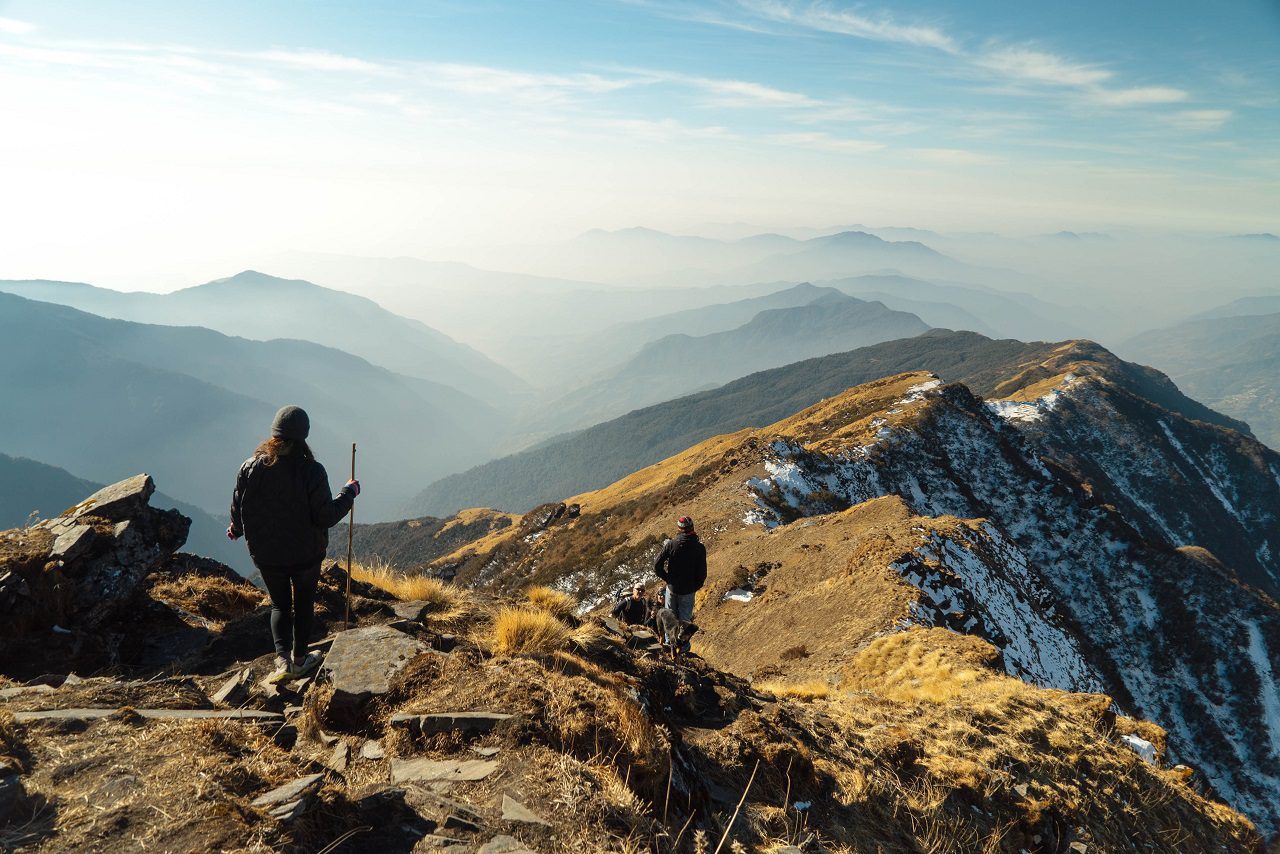
“Focusing on my breathing really helped me manage the thin air. It was a simple but effective technique.”
— Sophia P., Journalist, South Africa
—
Best Exercises to Prepare for Ladakh’s High-Altitude Treks
Cardiovascular Workouts for Enhanced Stamina
For stamina building, focus on cardio exercises such as running, swimming, and interval training. These activities condition your lungs and heart to cope with lower oxygen levels, crucial when trekking at 15,000 feet.
—
Leg and Lower Body Workouts for Steep Climbs
Your legs will take most of the load during a trek. Incorporate leg-strengthening exercises such as squats, lunges, and step-ups to build the strength and endurance required for uphill treks.
“Leg day was never my favorite, but it was necessary! The strong legs I built were invaluable on those steep Ladakh climbs.”
— Michael K., Photographer, USA
—
Packing the Right Gear for a High-Altitude Trek in Ladakh
Essential Trekking Gear for Ladakh
Having the right trekking gear can make or break your high-altitude adventure. Essential items include:
- Trekking boots: Comfortable, waterproof, and broken in.
- Layered clothing: To adapt to changing weather conditions.
- Trekking poles: Helpful for balance and reducing the strain on your knees during descents.
- Backpack with hydration system: To ensure easy access to water.
“Having the right gear made my trek so much more comfortable, especially the trekking poles!”
— Carlos T., Chef, Spain
—
Final Fitness Tips for a Successful High-Altitude Trek in Ladakh
- Prioritize rest: Ensure adequate sleep and rest before your trek.
- Stay positive: A positive mindset can keep you motivated through tough conditions.
- Practice self-care: Stretch, hydrate, and refuel your body during and after the trek.
By following these fitness tips and preparing your body and mind, you’ll be well-equipped to tackle the challenges of a high-altitude trek in Ladakh and emerge stronger, healthier, and fulfilled by the experience.
—
Q&A Section
Q1: How should I prepare physically for a high-altitude trek in Ladakh?
A: Focus on building cardiovascular endurance through running, cycling, and swimming, along with strength training for your legs, core, and upper body.
Q2: What kind of training is best for trekking at 15,000 feet?
A: Endurance and strength training are key. Start training 3-6 months before the trek with activities like running, uphill hiking, squats, and lunges.
Q3: How can I avoid altitude sickness during a trek?
A: Acclimatize slowly, stay hydrated, avoid overexertion, and practice deep breathing techniques.
Q4: What exercises are recommended for building endurance for Ladakh treks?
A: Running, cycling, swimming, and interval training are excellent for building stamina for high-altitude treks.
Q5: What should I eat before and during a high-altitude trek?
A: Prioritize complex carbs, lean proteins, and healthy fats to fuel your body. Stay hydrated and include electrolyte-rich foods or supplements.
Q6: How do I stay hydrated during a high-altitude trek?
A: Drink 3-4 liters of water per day, and include electrolytes to replenish minerals lost through sweat.