The Kibber Trek itinerary is carefully designed to allow acclimatization to the high altitudes, making sure trekkers can fully enjoy the adventure while avoiding altitude sickness.
Day 1: Leh Exploration - Spituk, Shanti Stupa, Leh Palace
On the first day, you will explore the culturally rich city of Leh. The day starts with a visit to Spituk Monastery, which offers panoramic views of the Indus Valley. Next, you’ll visit Shanti Stupa, a peace pagoda with stunning views of the Himalayan ranges, followed by a tour of the Leh Palace, a former royal residence that showcases traditional Ladakhi architecture.
Overnight in a hotel in Leh to acclimatize to the high altitude.
Day 2: Stok Palace and Matho Monastery Tour
On the second day, you will visit Stok Palace, the home of the Ladakhi royal family, and Matho Monastery, the only Saskyapa sect monastery in Ladakh. These visits offer insight into Tibetan Buddhism and the region's royal heritage. The Matho Monastery is renowned for its oracle festival, which attracts visitors from all over Ladakh.
Overnight stay in Leh.
Day 3: Explore Thiksey, Hemis, and Rumtse

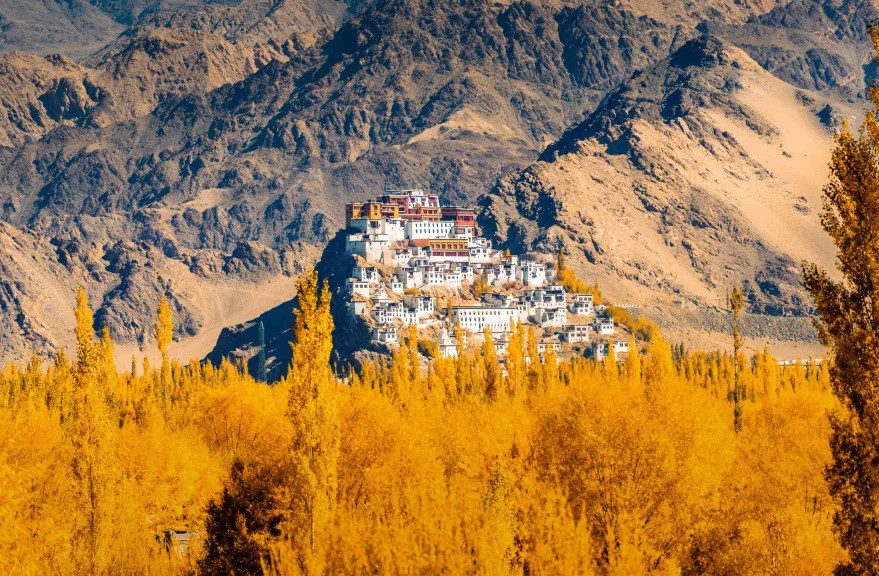
The third day marks the beginning of your journey along the Leh-Manali Highway to Rumtse Village. On the way, visit the Thiksey Monastery, known for its giant statue of the Maitreya Buddha, and the Hemis Monastery, the largest in Ladakh. As you head towards Rumtse, enjoy scenic views of the surrounding valleys and the Indus River.
Camp overnight in Rumtse Village (4160m).
Day 4: Trek from Rumtse to Chorten Sumdo
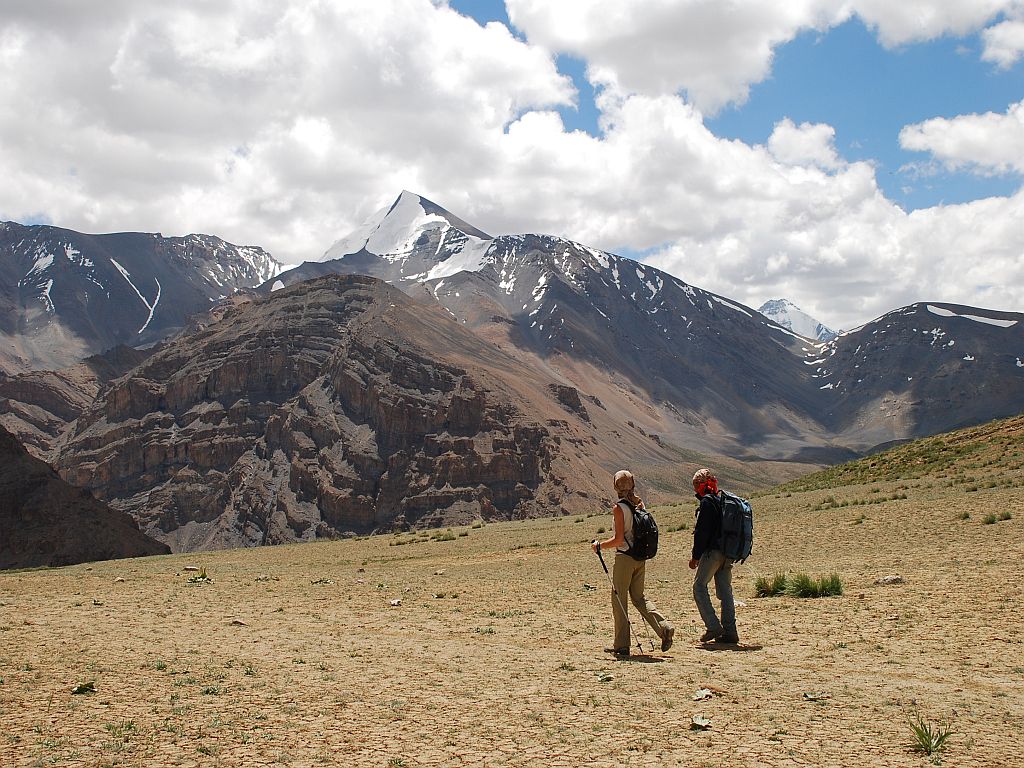
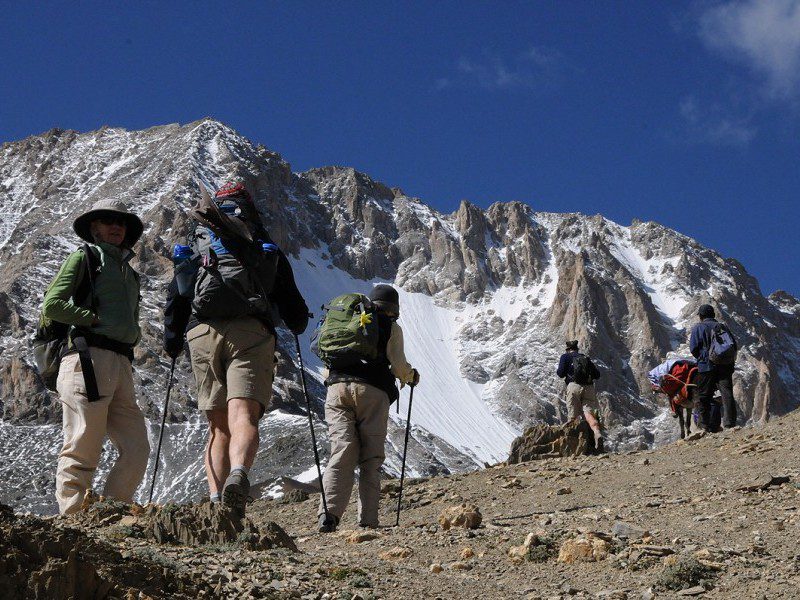
The trekking adventure begins! You will trek through colorful gorges, following a river trail to Chorten Sumdo. The trek is relatively easy, with stunning scenery and occasional sightings of marmots along the way.
Overnight camp in Chorten Sumdo (4520m), a perfect spot to relax amidst lush greenery.
Day 5: Trek from Chorten Sumdo to Titsaling via Kyamari-la and Mandalchan-la
After breakfast, you will trek towards Kyamari La Pass (5180m), enjoying panoramic views of Kangyatse Peak and the Indus Valley. After descending, you’ll cross another pass, Mandalchan-la (5170m), and reach your campsite at Titsaling.
Overnight camp in Titsaling (4950m).
Day 6: Trek from Titsaling to Pangunagu (Tsokar Lake)
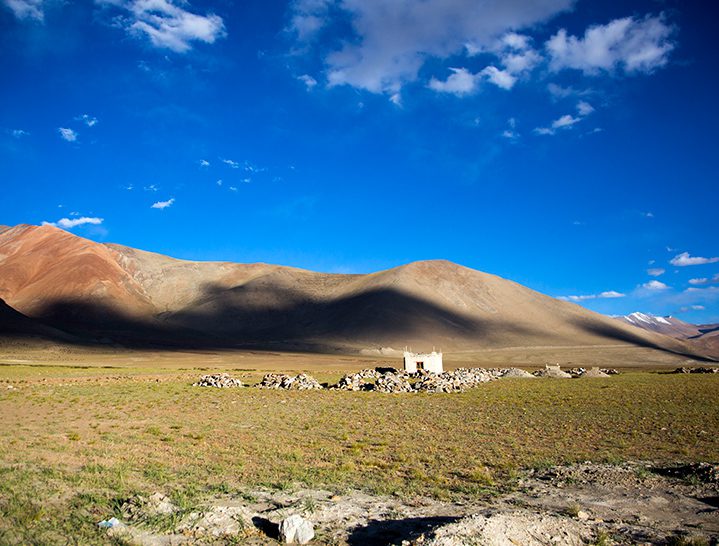
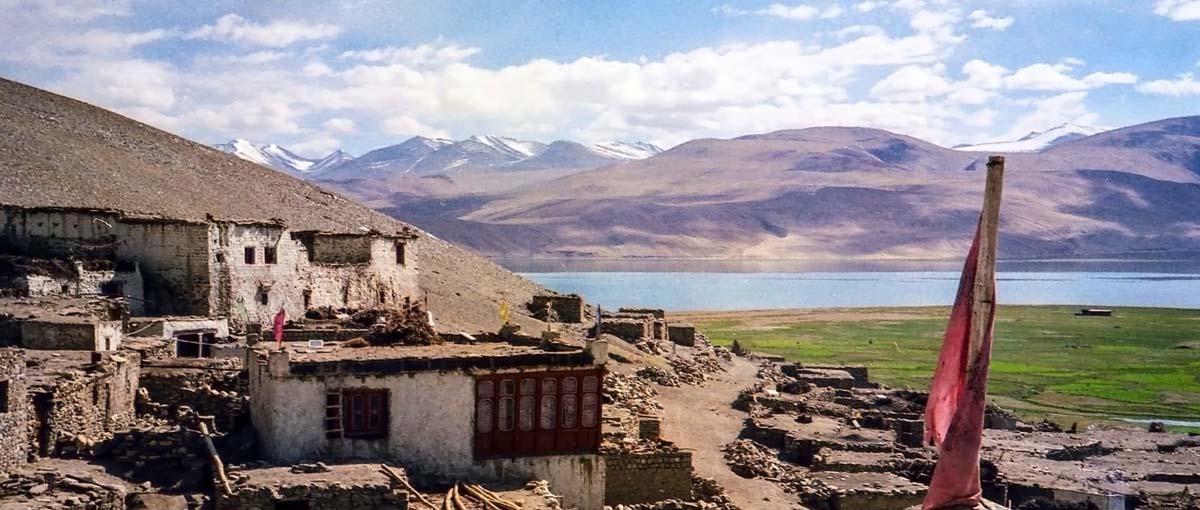
Today, you’ll ascend to Shingbuk-la Pass (5230m), offering a spectacular view of Tsokar Lake and the surrounding mountains. The Changthang nomads reside around Tsokar, and you'll have the opportunity to see Skyang (wild asses) roaming the valley.
Overnight camp near Tsokar Lake (4590m).
Day 7: Trek from Pangunagu to Nuruchan
Today’s trek is relatively easy, following the right side of Tsokar Lake. You'll pass by herds of Skyang and spot various bird species such as bar-headed geese. Continue trekking to Nuruchan Village, where you’ll camp near a small stream.
Overnight camp in Nuruchan (4660m).
Day 8: Trek from Nuruchan to Rachungkaru via Horlam-la Pass
Today, you’ll cross the Horlam-la Pass (4900m), a gentle ascent that offers incredible views of the surrounding valleys. The trek continues to Rachungkaru, where you’ll encounter Tibetan nomads and their herds of yaks and Pashmina goats.
Overnight camp in Rachungkaru (4900m).
Day 9: Trek from Rachungkaru to Gyama via Kyamayuri-la and Kartse-la
Today’s route takes you across two passes: Kyamayuri-la (5430m) and Kartse-la (5380m). You’ll descend to the Gyama nomadic camp, a peaceful campsite surrounded by summer pastures.
Overnight camp in Gyama (5180m).
Day 10: Trek from Gyama to Korzok via Yarlung Nyau-la Pass
You’ll cross the final pass of the day, Yarlung Nyau-la (5440m), before descending into the Korzok region near Tsomoriri Lake, one of the highest lakes in the world. Korzok Monastery awaits your visit, and the nearby nomadic camp provides an insight into the local lifestyle.
Overnight camp near Tsomoriri Lake (4620m).
Day 11: Trek from Korzok to Kiangdam (6 hours)
This day involves an easy trek along Tsomoriri Lake, with ample opportunities for bird watching. As you trek towards Kiangdam, enjoy the changing colors of the lake and surrounding mountains.
Overnight camp at Kiangdam (4550m).
Day 12: Trek from Kiangdam to Nurbo Sumdo
A gentle trek across the plateau leads you to Nurbo Sumdo, where you’ll encounter Tibetan nomads and spot wildlife like Skyang. The camp is set near a fresh water spring.
Overnight camp in Nurbo Sumdo (4490m).
Day 13: Trek from Nurbo Sumdo to Umlung
After crossing the Parang River, you’ll enter the Lahaul-Spiti region, often referred to as Ladakh’s “forgotten sister.” The trek follows a beautiful gorge and leads to the Umlung campsite.
Overnight camp at Umlung (4540m).
Day 14: Trek from Umlung to Dakpo Phirtse
Today’s trek continues along the Parang River, offering opportunities to spot Himalayan eagles and marmots. The trail passes through rugged landscapes, gradually ascending toward Dakpo Phirtse.
Overnight camp at Dakpo Phirtse (5050m).
Day 15: Trek from Dakpo Phirtse to Jukstok via Parangla Pass
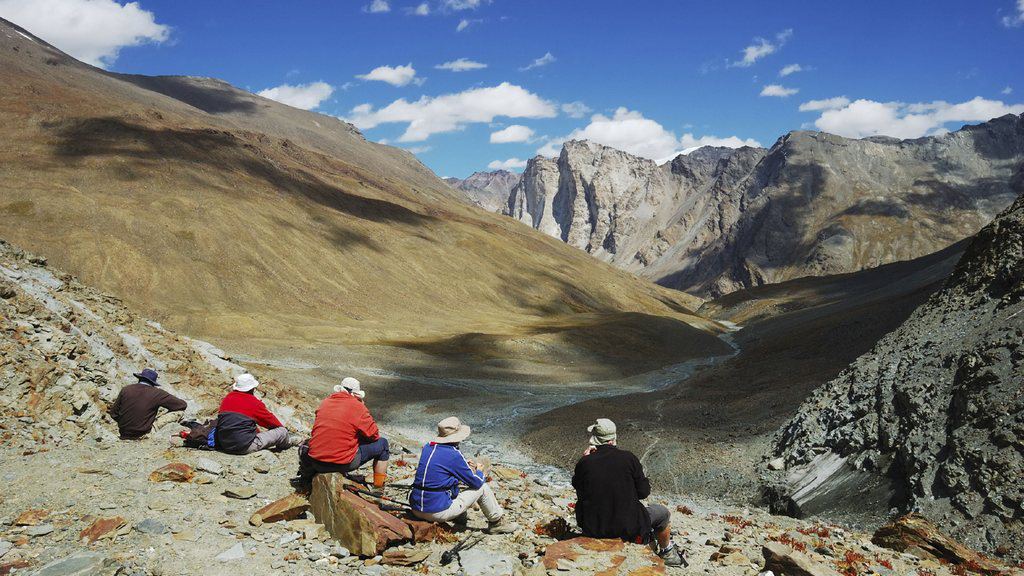
Today is one of the most challenging and rewarding parts of the trek as you cross the Parang La Pass (5580m). From the top, you’ll enjoy panoramic views of the Spiti Valley and snow-capped peaks.
Overnight camp at Jukstok.
Day 16: Trek from Jukstok to Kibber via Thalta
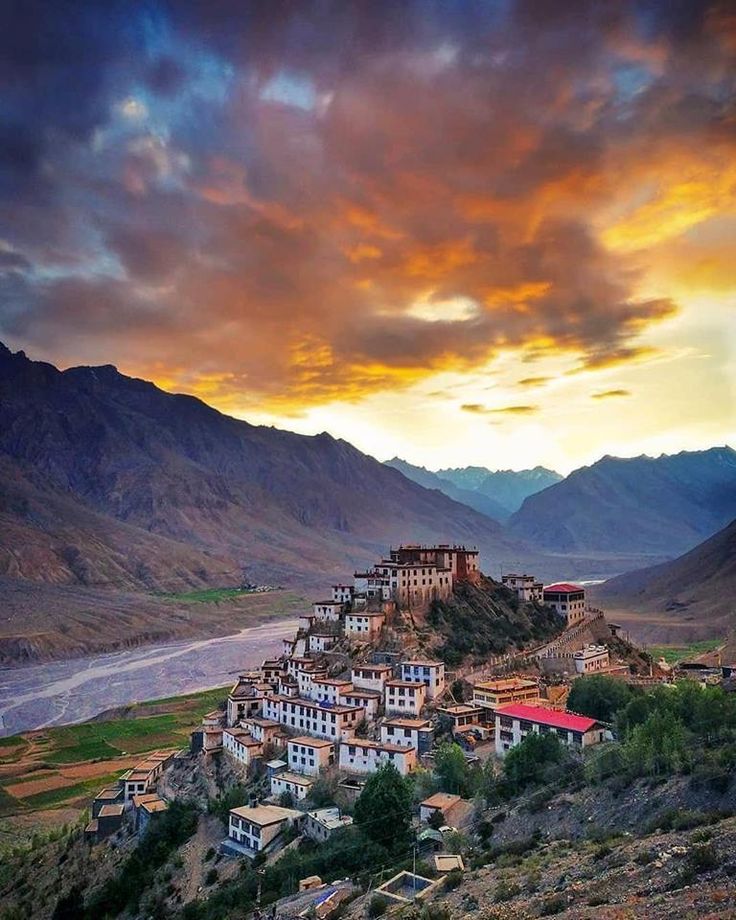
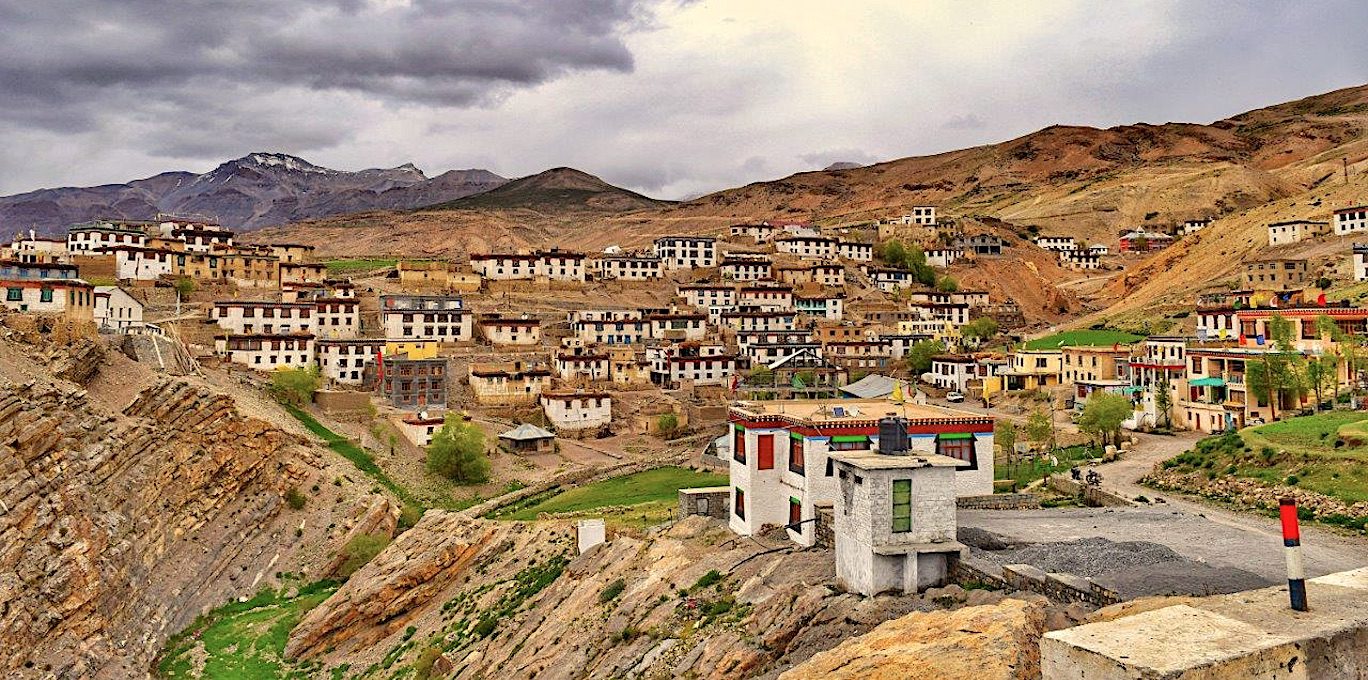
On this day, you’ll descend into Kibber Village, a remote village nestled in the Spiti Valley. Kibber Village is one of the highest motorable villages in the world. You’ll visit Ki Gompa Monastery, which sits atop a hill offering spectacular views.
Overnight stay in Kibber.
Day 17: Drive from Kibber to Losar
After a morning trek, you'll drive from Kibber to Losar Village, passing through Ki Gompa and Kaza. Enjoy scenic views along the way.
Overnight stay in Losar.
Day 18: Drive from Losar to Manali
The final leg of your journey takes you through the beautiful Lahaul-Spiti Valley, ending in Manali. Enjoy views of Himalayan peaks and lush valleys as you reminisce about the incredible adventure you’ve experienced.
Overnight in a hotel in Manali.