
There’s something magical that happens when you take your first step onto a Markha valley trail in the Hemis National Park. The thin mountain air forces your breathing to slow, your pace to moderate, and suddenly you realize – your thoughts are changing too. In Ladakh, walking is never just about getting from one place to another. It’s about transformation.
Ladakh, often compared to Tibet in terms of its cultural and spiritual richness, provides an unparalleled opportunity to experience Buddhist teachings in their most authentic form. Here, spirituality isn’t just a concept – it’s a way of life. The monks in the monasteries, the prayer wheels spinning in the wind, the chants resonating in the valleys – all create an atmosphere of mindfulness and inner peace. This high-altitude desert kingdom has perfected the art of contemplative movement over centuries.
The relationship between walking and thinking isn’t new – philosophers have long recognized it. But in Ladakh, this connection takes on profound dimensions. As you walk through some of the world’s most remote and majestic landscapes, something shifts in your mental landscape too. Before yogis begin practicing walking meditation, they may have thought that a step is just one movement. After meditation on that movement, they observe that there are at least four movements, and if they go deeper, they will understand that even one of these four movements consists of millions of tiny movements.
The Science of Walking Minds
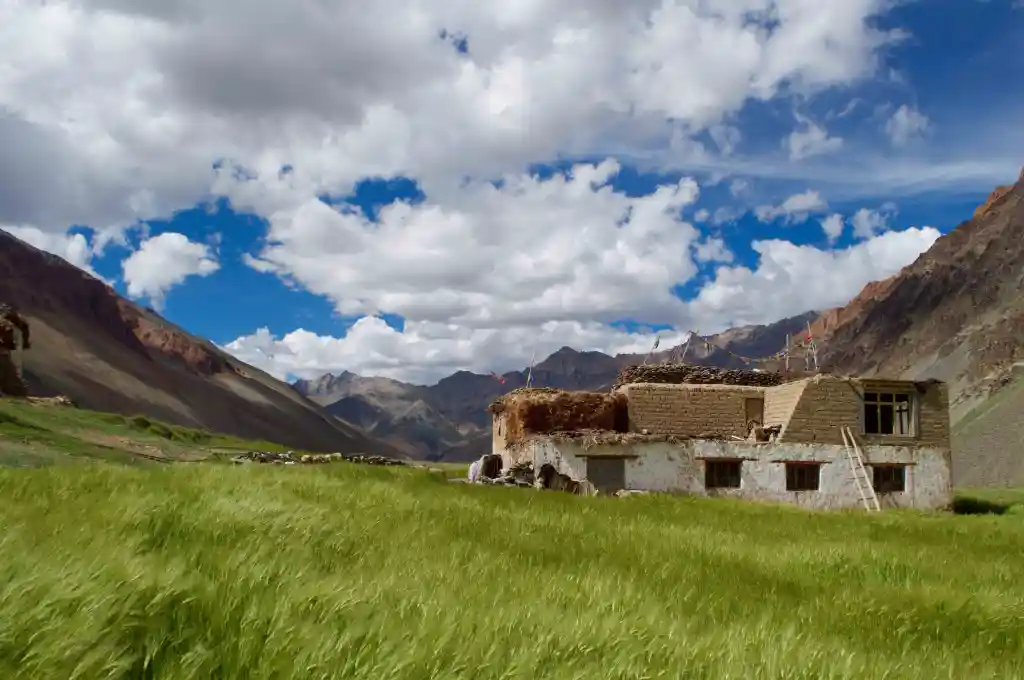
When you’re trekking through breathtaking mountain scenery, wild animals and small isolated villages surrounded by green barley fields, your brain enters what researchers call a ‘default mode.’ This isn’t laziness – it’s your mind’s most creative state. Most of us acknowledge that walking can often ‘clear our heads’ and gives us the time we need to hear our thoughts or those of our companions. And it is also true that when we are confronted by a problem that we can’t seem to resolve, the very act of walking in the open air seems to bring about an answer of which we were previously unaware.
In Ladakh’s rarified atmosphere, this effect intensifies. The natural landscape itself has a therapeutic effect. The silence of the mountains, the purity of the air, and the vastness of the sky create a meditative environment that allows travelers to disconnect from their worries and reconnect with themselves. Your stride naturally adjusts to the terrain and altitude, and with it, your thought patterns shift from the urgent to the eternal.
Ancient Paths, Ancient Wisdom
Once an important stopping point on the Silk Road, Ladakh attracted traders from Tibet, China and the Middle East, and evolved as a cultural melting pot with a majority Buddhist faith. These ancient trade routes weren’t just highways for goods – they were paths for ideas, philosophies, and ways of understanding the mind.
Today’s trekkers follow many of these same paths. Follow ancient nomadic routes as you trek along the Lato Valley, passing through remote farming villages. You’ll end up at Rumtse Phu, where the locals are known for their horse riding and traditional dance of Gya-Pa-Cho. Each footstep connects you not just to the landscape, but to generations of travelers who found clarity in movement.
Buddhist monks have understood this for centuries. Traditional Buddhist teachings identify four meditation postures: sitting, walking, standing and lying down. All four are valid means of cultivating a calm and clear mindfulness of the present moment. In Ladakh’s monasteries, walking meditation is as important as seated practice.
The Rhythm of Revelation
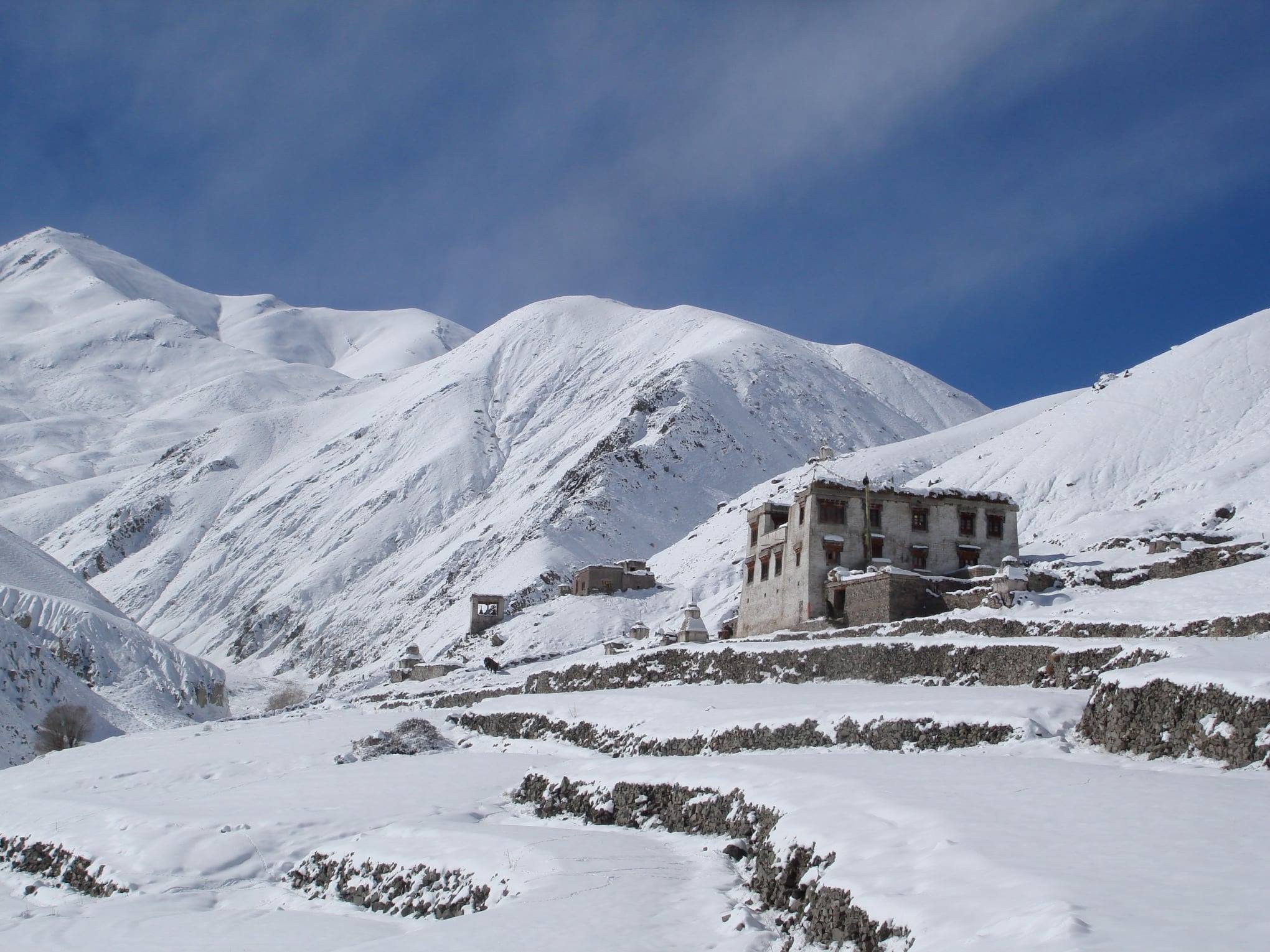
There’s a particular rhythm to walking in Ladakh that’s different from anywhere else. The best time for trekking in Ladakh is from May to October. However, some treks are possible only from early July due to heavy snowfall on the mountain passes in winters. During these months, your walking becomes synchronized with nature’s own tempo.
This is the heart of Thich Nhat Hanh’s walking meditation—the conscious coordination of breath and movement… Walk as if you are “kissing the Earth with your feet,” as Thich Nhat Hanh beautifully expressed. In Ladakh, this isn’t just a technique – it’s unavoidable. The terrain demands presence, the altitude requires mindfulness, and the beauty pulls you into the moment.
As you cross high passes like Hanuma La (4724m), Singge La (5009m) and Sir Sir La (4832m), your thoughts naturally strip away the unnecessary. At these elevations, mental clutter becomes as burdensome as physical weight. Many trekkers report profound realizations not at summits, but during the quiet, rhythmic hours of walking between villages.
Villages as Thinking Spaces
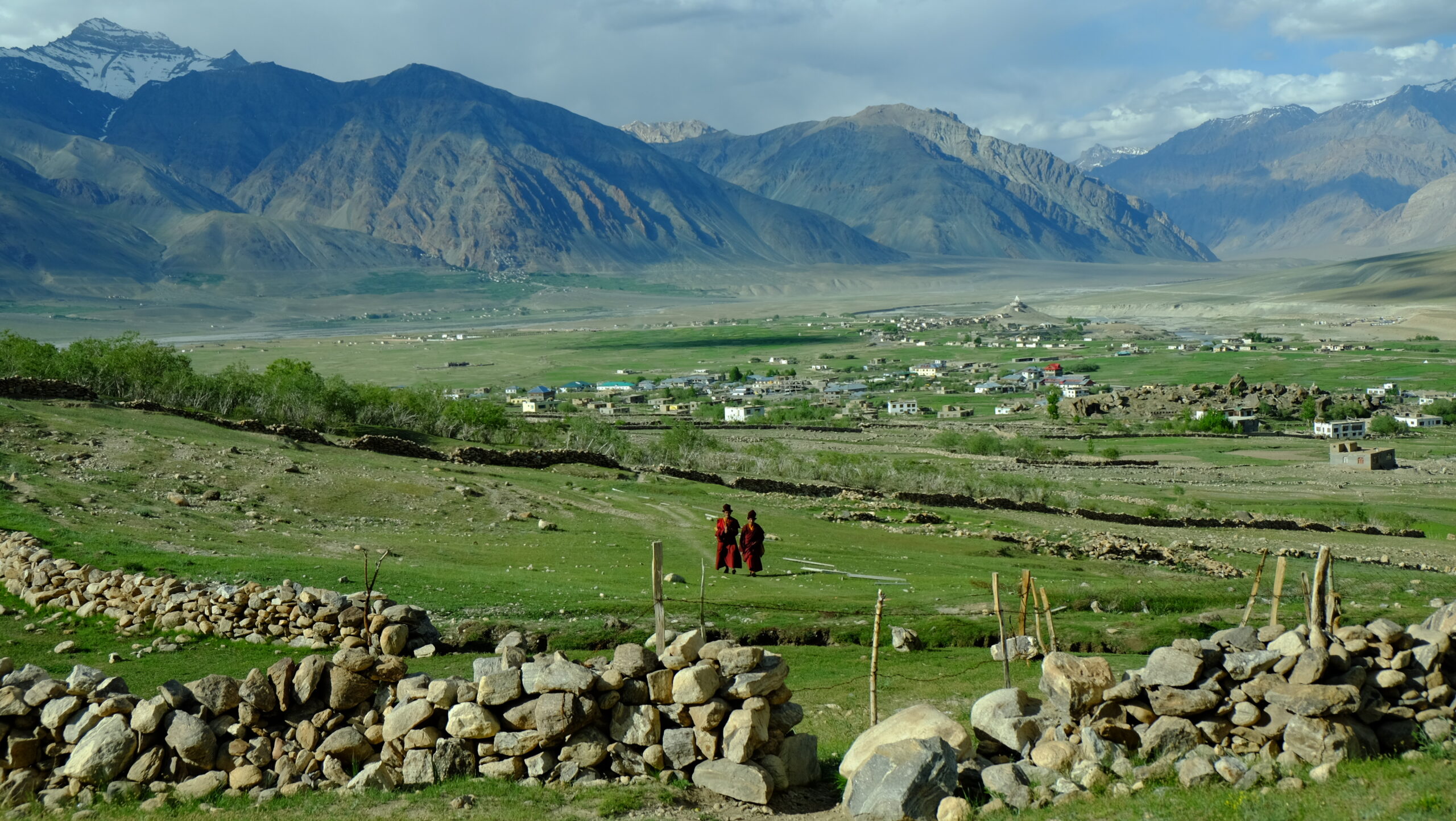
The villages scattered throughout Ladakh’s trekking routes aren’t just rest stops – they’re meditation halls without walls. Yurutse, a peaceful village cradled by towering peaks, offers the perfect setting for a mindfulness meditation session. The quiet, remote surroundings allow you to connect deeply with the environment while appreciating the simplicity of village life.
In these communities, Walking with a guide, I learned how the villagers we met along the trek foraged for wild capers and sea buckthorn alongside growing vegetables at the lower altitudes. I discovered how they made their own yak cheese and spent winters indoors by the fire drinking butter tea – there’s a different relationship with time and thought. Conversations unfold naturally, without the pressure of productivity.
The Moving Monastery
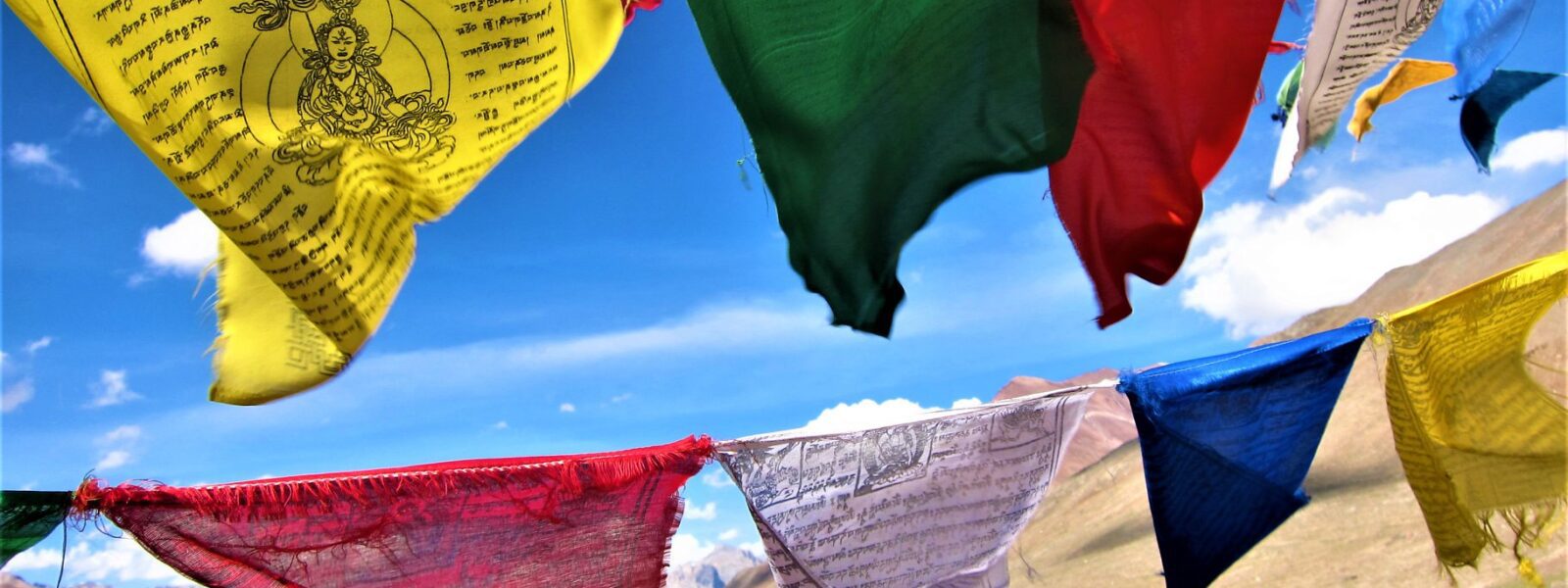
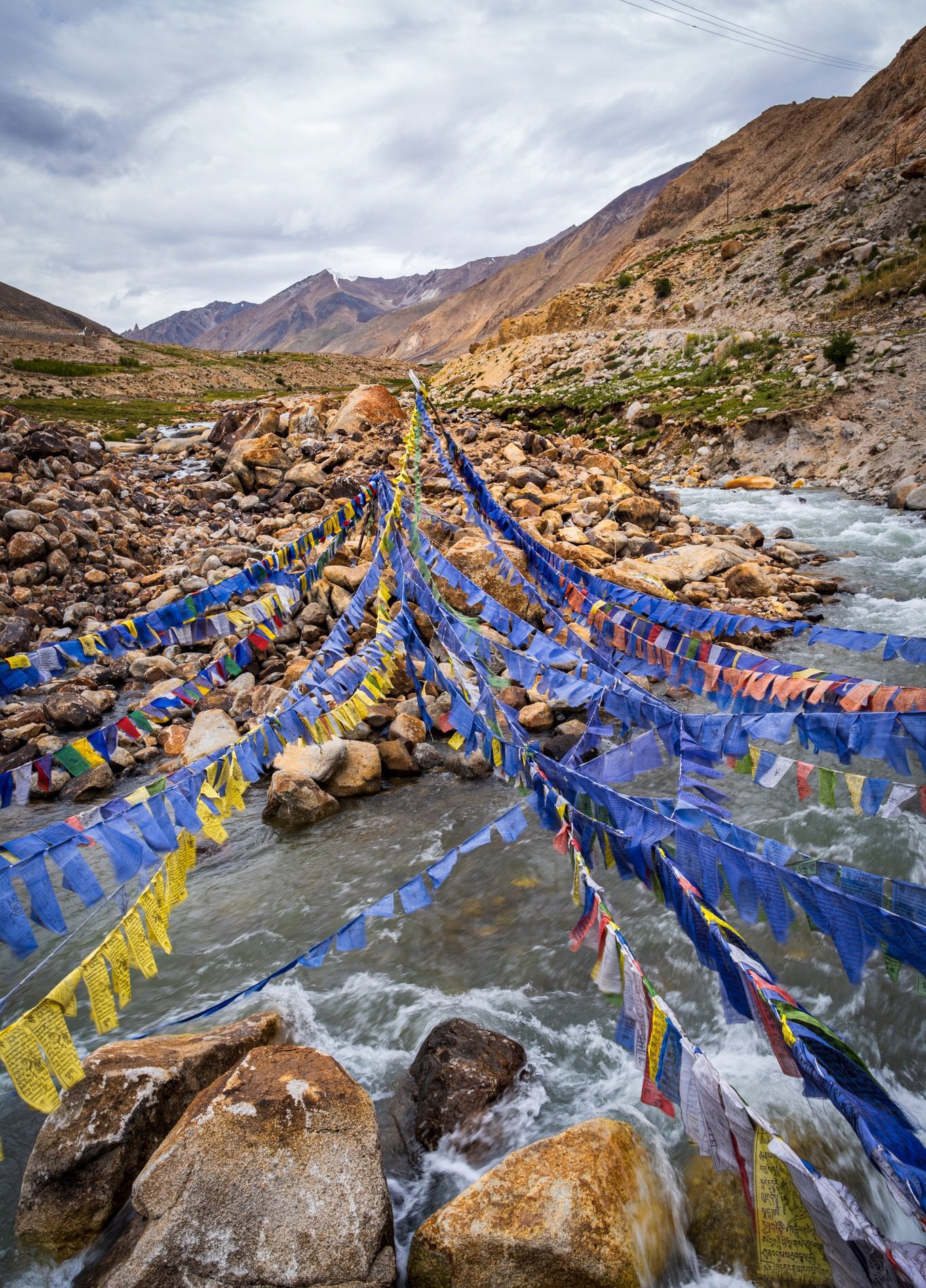
In Ladakh, trekking isn’t just about reaching your physical destination. It’s a metaphor for spiritual growth. Each step on the path brings you closer to inner clarity and self-awareness. The landscape itself becomes a living monastery where every stone cairn is a reminder to stay present, every prayer flag a call to mindfulness.
Monks, the spiritual custodians of these Ladakh Monasteries, spend years in deep study and meditation. They engage in daily practices of prayer, chanting, and rituals. For visitors, the monasteries in Ladakh offer a serene environment to reflect, meditate, and experience the region’s spiritual heart. But between these monasteries, the walking paths serve as extensions of the meditation halls.
Sustainable Steps Forward
Sustainability lies at the heart of Ladakh tourism in 2026. The government and tourism operators have implemented practices to protect the fragile environment while maintaining high-quality visitor experiences. This consciousness extends to how we think about walking itself – not as consumption of landscape, but as communion with it.
When you walk mindfully through Ladakh, you leave only footprints but take away transformed thought patterns. Yoga and meditation treks allow participants to challenge their bodies, calm their minds, and open their hearts to the transformative power of nature. Many spiritual seekers find that their practice deepens during these treks, as the act of walking through some of the world’s most remote and majestic landscapes naturally leads to a more meditative state.
In a world of constant digital distraction, Ladakh offers something increasingly rare: space to think while moving, to process while progressing. You walk, and you do it as if you are the happiest person in the world. And, if you can do that, you succeed in walking meditation. Because we don’t set ourselves a goal, or a particular destination, so we don’t have to hurry, because there’s nothing there for us to get. Therefore, walking is not a means. It’s an end, by itself.
Here in the thin air of the world’s highest cold desert, every step becomes a thought, every path a possibility, every journey a transformation of mind and spirit.