
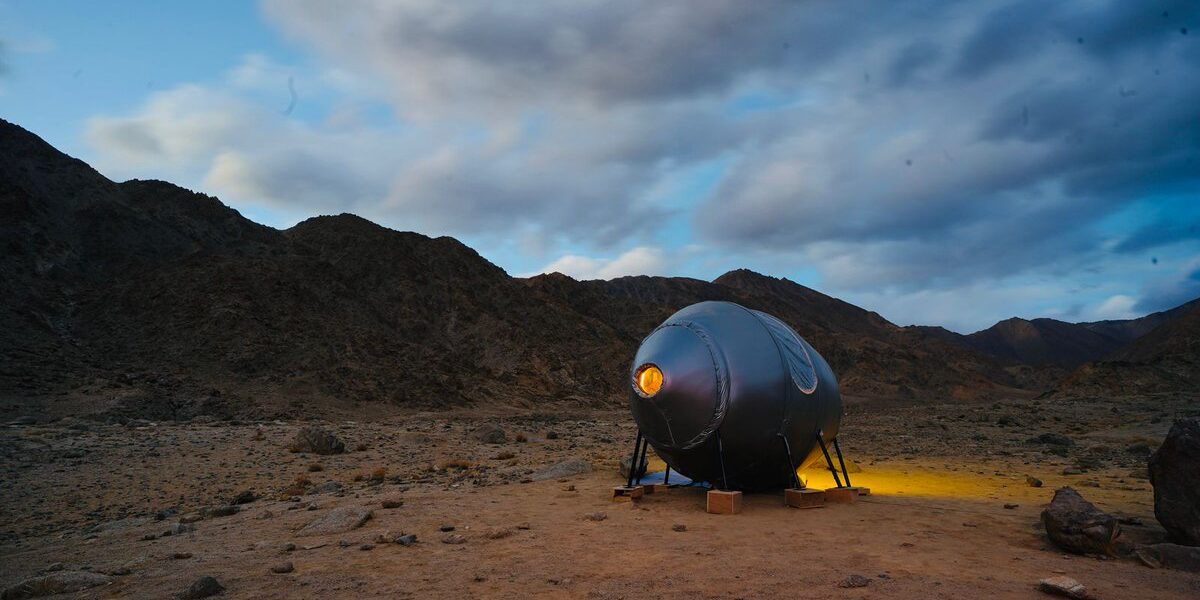
The Ladakh ISRO analog space mission marks a pioneering step as the Indian Space Research Organisation (ISRO) launches India’s first analog space mission in the remote terrains of Leh, Ladakh. This ambitious project aims to simulate interplanetary habitats, testing life-support systems, human adaptability, and technology that will ultimately pave the way for deep-space exploration. The mission underscores ISRO’s vision of preparing for extraterrestrial challenges, supported by Ladakh’s unique environment, which mirrors Mars and Moon conditions.
In this post, we’ll explore the mission’s objectives, why Ladakh was chosen as the ideal site, the impact on future space missions, and the role of India in global space research.
Introduction to ISRO’s Analog Space Mission in Ladakh
Overview of India’s First Analog Space Mission
India’s inaugural analog space mission represents a monumental step forward in the nation’s journey toward interplanetary exploration. Spearheaded by ISRO’s Human Spaceflight Centre, this mission is supported by prominent institutions like the University of Ladakh and IIT Bombay, with local backing from the Ladakh Autonomous Hill Development Council. The mission’s primary goal is to simulate life in a controlled extraterrestrial environment, enabling scientists to tackle challenges related to isolation, extreme climate, and technology reliability—all crucial for long-duration space travel.
“ISRO’s analog mission is truly visionary. It’s amazing to see India preparing for space exploration right from my homeland of Ladakh!”
Why ISRO Chose Ladakh as the Test Location
Ladakh’s high-altitude, arid, and rocky terrain closely resembles the landscapes of Mars and the Moon, making it ideal for ISRO’s analog mission. The dry climate, minimal vegetation, and extreme weather conditions create a setting that allows researchers to test technology under Mars-like circumstances without leaving Earth. This setting supports not only habitat simulations but also endurance tests for equipment and human psychological resilience.
“Ladakh’s harsh environment has made it a hidden gem for simulating extraterrestrial conditions. The mission here is a great choice.”
Understanding Analog Space Missions and Their Importance
What Is an Analog Mission? How Do They Work?
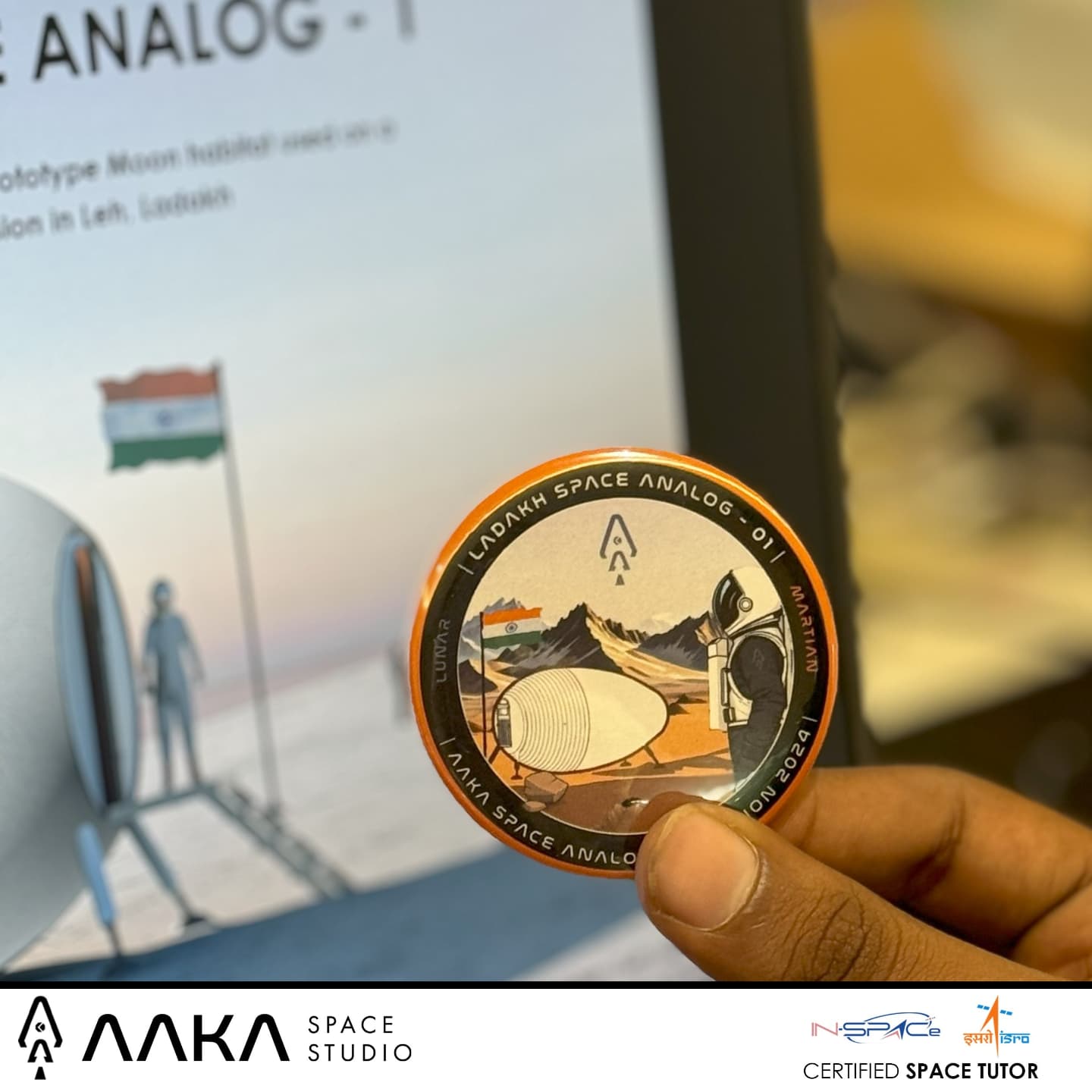
Analog space missions are Earth-based field tests that allow researchers to replicate the conditions astronauts might encounter on other planets. These missions test life-support systems, habitat durability, and equipment endurance, essential for preparing for journeys to Mars or the Moon. In this mission, ISRO has created a controlled environment that can help understand the impact of isolation and confinement on astronauts, addressing both technological and psychological challenges.
The Role of Analog Missions in Deep-Space Exploration
Analog missions play a critical role in validating technologies, preparing astronauts for long-duration space missions, and refining interplanetary communication systems. By conducting these missions on Earth, researchers can anticipate potential issues and develop solutions that enhance the safety and success of real missions. ISRO’s initiative aligns with global standards set by space agencies like NASA, which also conduct analog missions in extreme environments like deserts and volcanic landscapes.
| Component | Purpose |
|---|---|
| Life-Support Systems | Test air, water, and waste recycling technologies |
| Habitat Design | Ensure durability and comfort in extreme environments |
| Communication Systems | Test reliable, long-distance space communications |
| Psychological Study | Study human behavior under isolation |
Ladakh’s Unique Terrain as a Mars and Moon Analog Site
Ladakh’s Climate and Terrain as a Mars Simulation Site
With its rocky landscapes, sparse atmosphere, and high-altitude challenges, Ladakh is one of the few places on Earth that can simulate Martian conditions. The freezing temperatures and thin air make it perfect for testing space habitats designed for Mars. By conducting missions here, scientists can assess the technology’s resilience and collect data critical for future missions to Mars and beyond.
“The choice of Ladakh is brilliant. The terrain here mirrors the challenges astronauts might face on Mars.”
Advantages of Conducting Space Simulation in Extreme Environments
Testing in extreme environments like Ladakh provides insights into how well space habitats and equipment function under harsh conditions. This includes exposure to high radiation, severe cold, and rapid temperature fluctuations, all of which are expected on Mars. Testing in these settings reduces risks for future missions, making them more reliable and safe.
Key Partners and Collaborations for ISRO’s Mission
Collaboration Between ISRO, IIT Bombay, and University of Ladakh
The analog mission in Ladakh is a collaborative effort, bringing together expertise from ISRO’s Human Spaceflight Centre, IIT Bombay, and the University of Ladakh. Each partner contributes unique insights into space science and technology development, fostering innovation essential for the mission’s success. The collaboration aims to develop robust life-support systems, habitat designs, and technologies to sustain human life in extraterrestrial settings.
“This partnership showcases the strength of Indian academia and ISRO in advancing space research.”
Role of Ladakh Autonomous Hill Development Council in Supporting the Mission
The Ladakh Autonomous Hill Development Council provides local support, facilitating logistics, equipment transport, and infrastructure needed for the mission. Their involvement reflects Ladakh’s commitment to advancing India’s space frontier and strengthens ties between local governance and national initiatives.
Core Objectives of the Analog Mission in Leh, Ladakh
Simulating Extraterrestrial Habitats for Future Space Missions
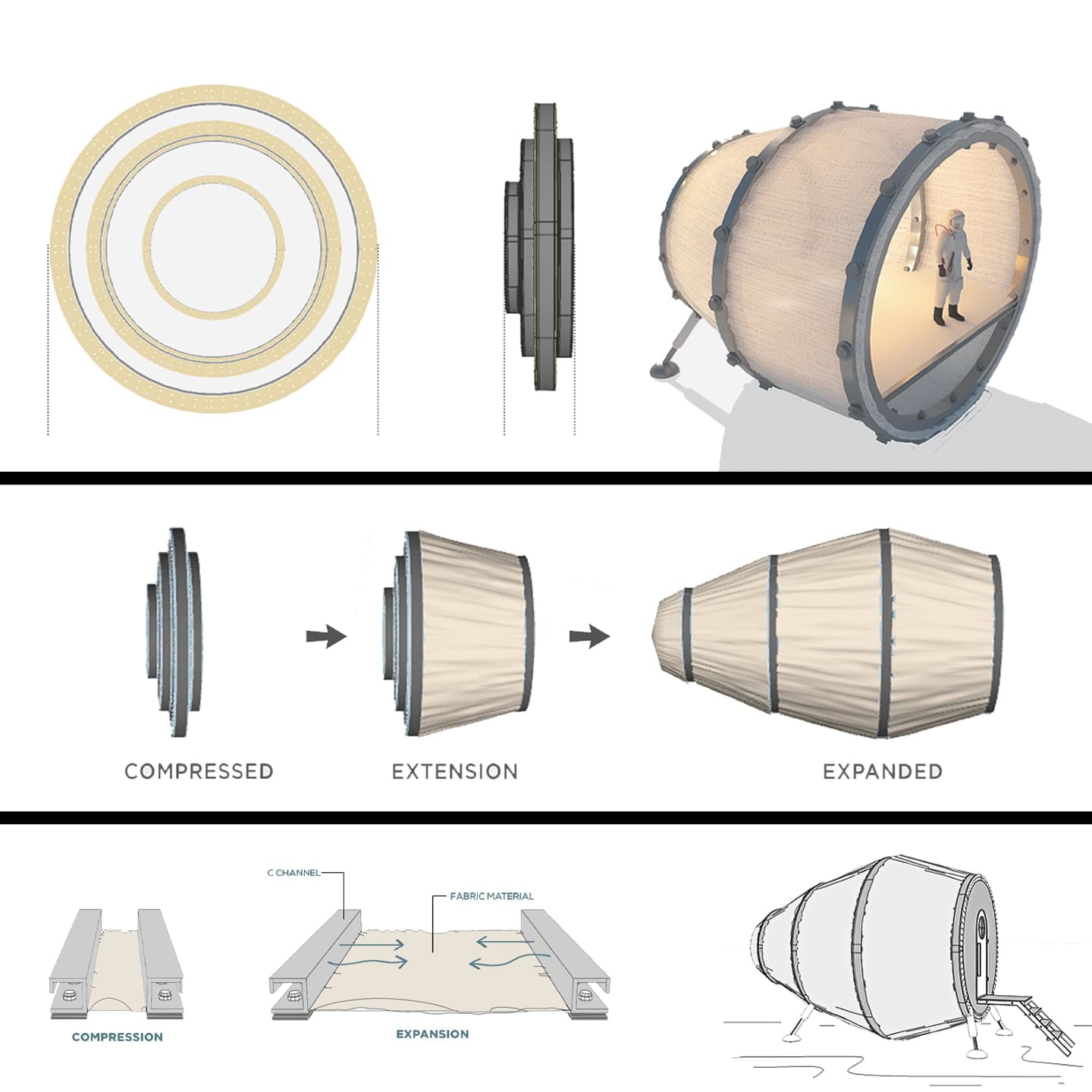
The analog mission in Ladakh is designed to test sustainable habitat models that could be replicated on Mars or the Moon. This involves examining habitat materials, energy sources, and water recycling systems to maintain life on other planets.
Testing Life-Support Systems and Habitat Technology
ISRO is testing crucial life-support systems, including oxygen generators and water recycling units, to ensure that habitats can sustain human life for extended periods. The data collected from these tests will inform designs for future deep-space habitats, preparing India for interplanetary colonization efforts.

The Importance of Human and Psychological Testing in Analog Missions
Studying Isolation and Team Dynamics in Space Simulations
The Ladakh mission provides a controlled environment to study human behavior in isolation and team dynamics in confined spaces. Researchers analyze stress, coping mechanisms, and interactions among team members, essential factors for long-duration missions where teamwork is critical.
Insights into Human Behavior for Long-Duration Space Missions
Simulated missions help scientists understand psychological stressors associated with confinement, isolation, and distance from Earth. This knowledge allows for better preparation of astronauts for actual deep-space travel, ultimately making these missions safer and more successful.
How the Mission Supports India’s Gaganyaan Program
Contribution to ISRO’s Human Spaceflight Program
This analog mission also supports India’s Gaganyaan program, a mission focused on sending Indian astronauts into space. By conducting trials in extreme conditions, ISRO is preparing astronauts for potential challenges they may face in space, thereby strengthening the Gaganyaan program.
Developing Technology and Skills for Manned Space Missions
The Ladakh mission equips ISRO and its partners with the skills, knowledge, and technology necessary to undertake manned missions. This experience will serve as the foundation for the next generation of space explorers, contributing to India’s expanding space program.
Global Analog Missions and How Ladakh Fits In
Analog Space Missions Around the World
ISRO’s efforts in Ladakh align with global trends where space agencies conduct analog missions in remote areas that replicate space conditions. Examples include NASA’s HI-SEAS mission in Hawaii, which tests Mars habitats. Ladakh now joins this league as a vital testing ground for future space missions.
Ladakh as India’s Contribution to Analog Space Research
Positioning Ladakh as an analog research site establishes India as a crucial player in the global space research landscape. The region’s unique environment contributes valuable data that can support space missions worldwide, underscoring India’s role in advancing human space exploration.
Future of Analog Missions in India and Ladakh
Potential for Future Missions and Expanding Space Research
The success of this mission sets the stage for future analog missions in Ladakh, expanding the scope of India’s space research capabilities. As ISRO continues to grow, more ambitious missions can be conducted, potentially positioning India as a leader in space exploration.
India’s Vision for Deep-Space Exploration
ISRO’s analog mission in Ladakh is just the beginning. With a clear vision for interplanetary exploration, India aims to establish a long-term presence in space. By preparing for challenges in environments like Ladakh, India is taking confident strides toward this goal.
Conclusion: Ladakh’s Strategic Role in Shaping India’s Space Future
Ladakh’s challenging environment provides ISRO with an ideal testing ground, enhancing India’s capacity to explore and eventually inhabit other planets. This mission represents India’s dedication to pushing space exploration boundaries, preparing for a future where humanity can thrive beyond Earth.
“India is on the frontier of space exploration, and this mission in Ladakh showcases how dedicated ISRO is to exploring life beyond our planet.”
Frequently Asked Questions (FAQ)
What is an analog space mission?
Analog space missions are Earth-based tests that simulate extraterrestrial environments to prepare for future space exploration. They allow researchers to assess equipment, life-support systems, and astronaut behavior in conditions similar to those found on Mars or the Moon.
Why did ISRO choose Ladakh for this mission?
Ladakh’s high-altitude, barren, and rocky terrain, along with its extreme climate, makes it an ideal Mars-like environment for simulating extraterrestrial habitats and testing technology for deep-space missions.
What role does Ladakh’s environment play in space research?
Ladakh’s environment mirrors conditions on Mars and the Moon, providing an Earth-based testbed for life-support systems, habitat durability, and human resilience under isolation.
How does this mission support India’s Gaganyaan program?
The analog mission aids the Gaganyaan program by testing systems and preparing astronauts for conditions they may encounter in space, enhancing India’s human spaceflight capabilities.
Are there similar analog missions worldwide?
Yes, other space agencies, including NASA, conduct analog missions in environments that resemble extraterrestrial conditions. Examples include HI-SEAS in Hawaii and NEEMO undersea missions in Florida.
🚀 India’s first analog space mission kicks off in Leh! 🇮🇳✨ A collaborative effort by Human Spaceflight Centre, ISRO, AAKA Space Studio, University of Ladakh, IIT Bombay, and supported by Ladakh Autonomous Hill Development Council, this mission will simulate life in an… pic.twitter.com/LoDTHzWNq8
— ISRO (@isro) November 1, 2024