
- Introduction
- What is the Himalayan Ibex?
- Physical Characteristics
- Distribution and Habitat
- Diet and Behavior
- Reproduction
- Threats and Conservation Status
- Cultural Significance
- Testimonials
- FAQs
Introduction
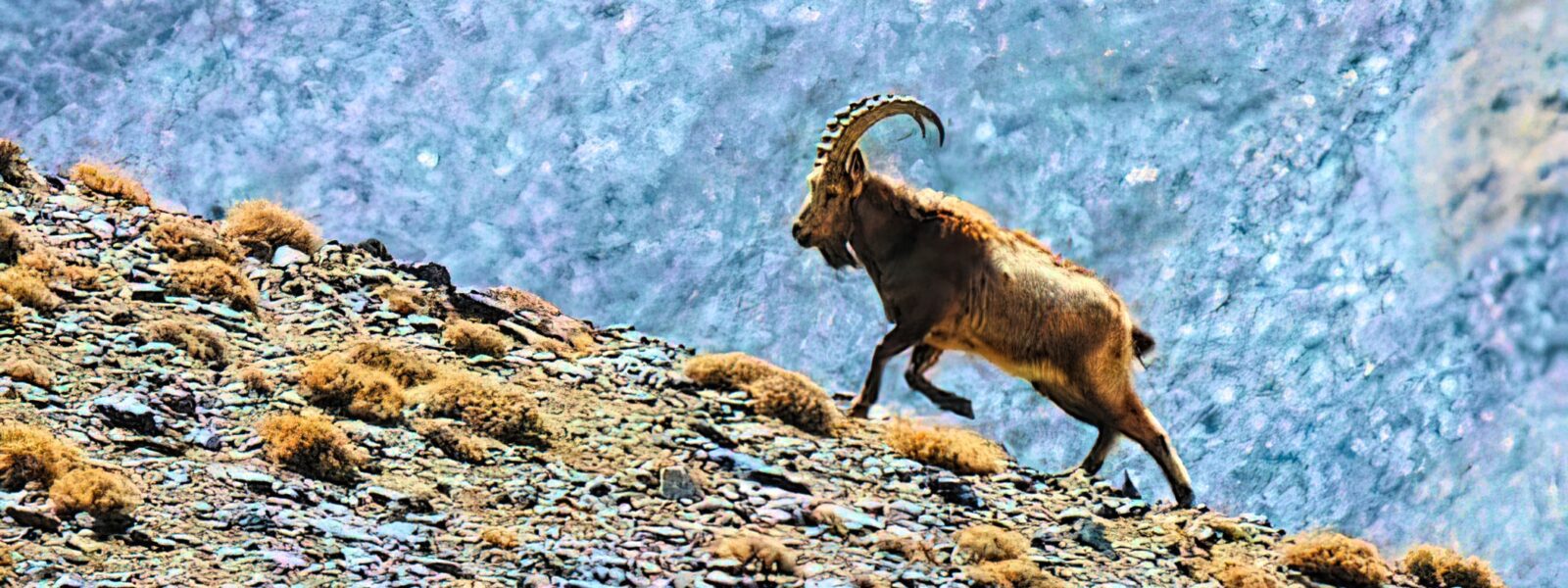
The Himalayan Ibex, a majestic and resilient mountain goat, is a marvel of adaptation and survival in some of the harshest terrains on Earth. Known scientifically as Capra sibirica sakeen, it is one of the most widely distributed species in its genus. In this guide, we explore everything about this incredible creature, from its physical traits to its cultural significance.
What is the Himalayan Ibex?
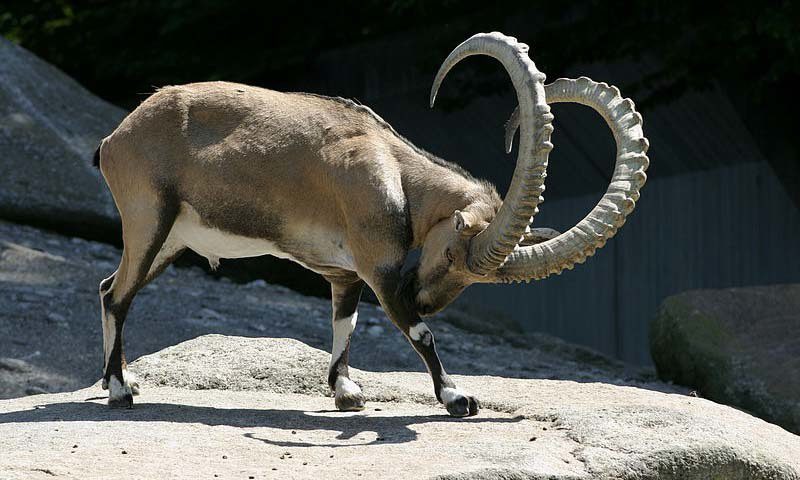
The Himalayan Ibex, also called the Siberian Ibex, is a polytypic species of ibex native to Central Asia. It thrives in rugged alpine terrains and is recognized for its impressive horns, sturdy build, and remarkable climbing abilities.
Scientific Classification:
| Common Name | Himalayan Ibex |
|---|---|
| Scientific Name | Capra sibirica sakeen |
| IUCN Status | Least Concern |
| WLPA 1972 | Schedule I |
Physical Characteristics
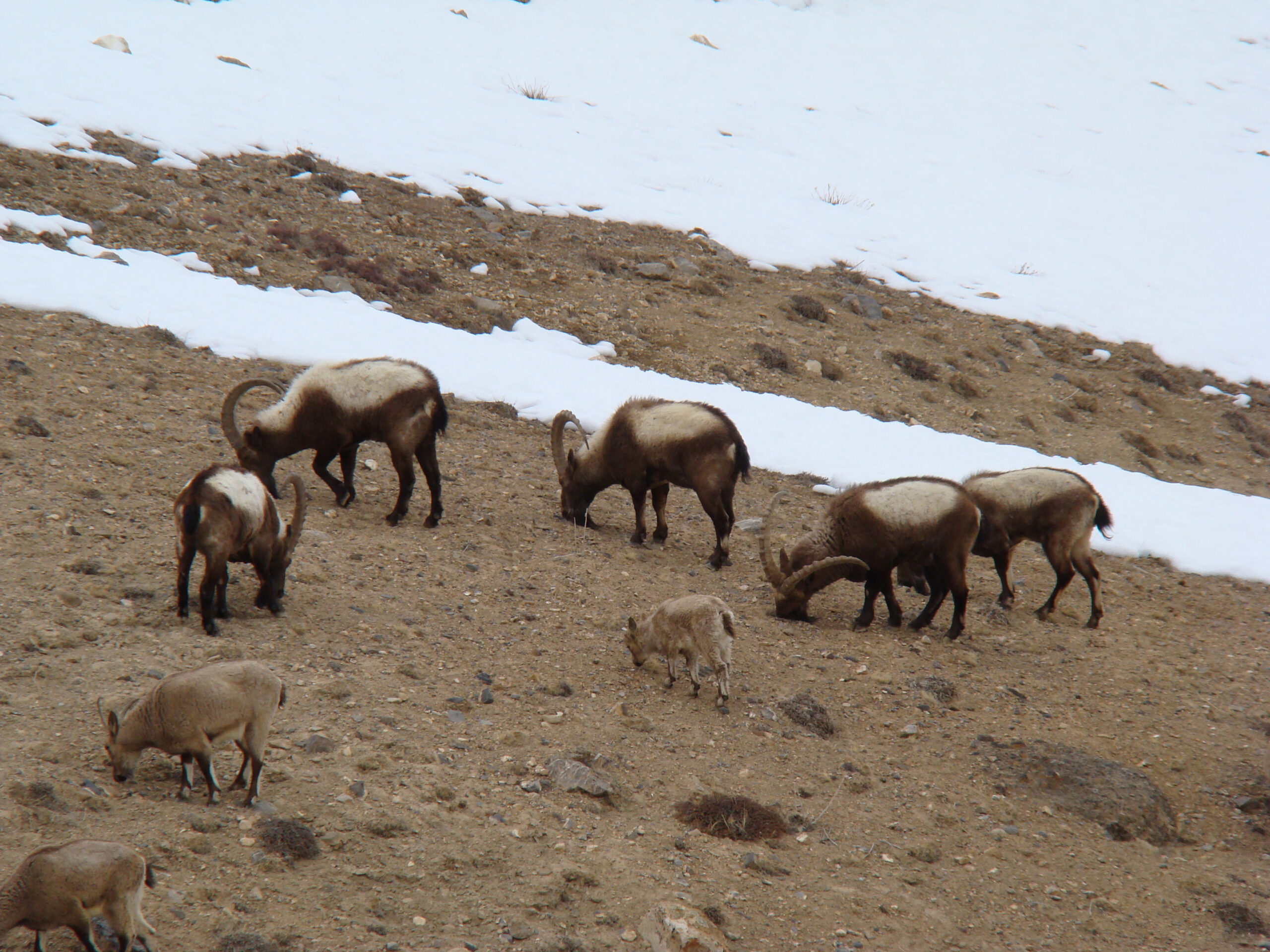
The Himalayan Ibex is characterized by its large size, distinct coat color, and curved horns. These features make it well-suited for camouflage and survival in high-altitude environments.
Key Metrics:
- Male Size: 103–132 cm in body length, weighs 60–130 kg
- Female Size: 85–100 cm in body length, weighs 30–56 kg
- Horn Length: Males: 90–148 cm, Females: 19–39 cm
The ibex’s coat varies from dark brown to light tan, with mature males developing darker hues during winter. Females and infants are typically paler and less distinct.
Distribution and Habitat
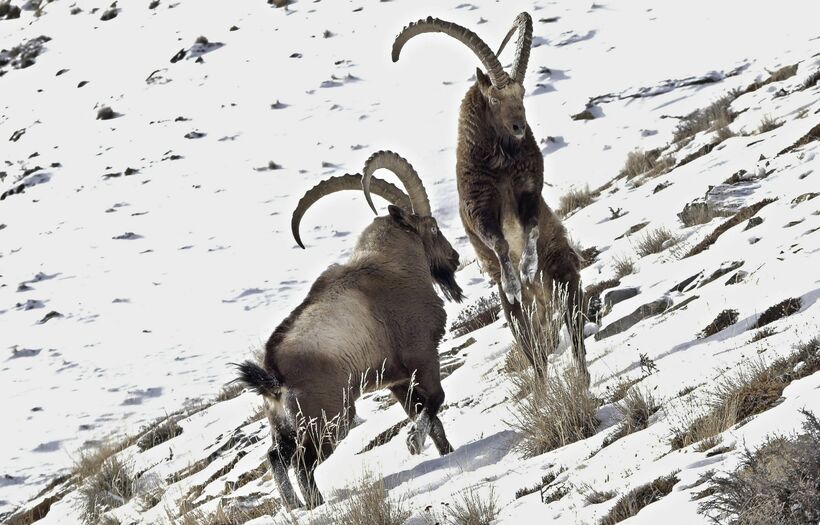
Himalayan Ibexes inhabit steep crags and alpine terrains across the Greater Himalaya and the trans-Himalayan region. They are primarily found in:
- Ladakh
- Jammu & Kashmir
- Himachal Pradesh
- Uttarakhand
Preferred Altitude: 2,700–4,725 m. They descend to lower valleys during harsh winters.
Diet and Behavior
The Himalayan Ibex primarily feeds on alpine grasses, herbs, and shrubs. They are known to dig through snow in winter to access food.
Behavior:
- Form herds of 10–15, occasionally as large as 100 individuals
- Exhibit strong climbing abilities
- Seek salt licks during summer
Predators: Snow leopards, wolves, and brown bears are their primary threats.
Reproduction
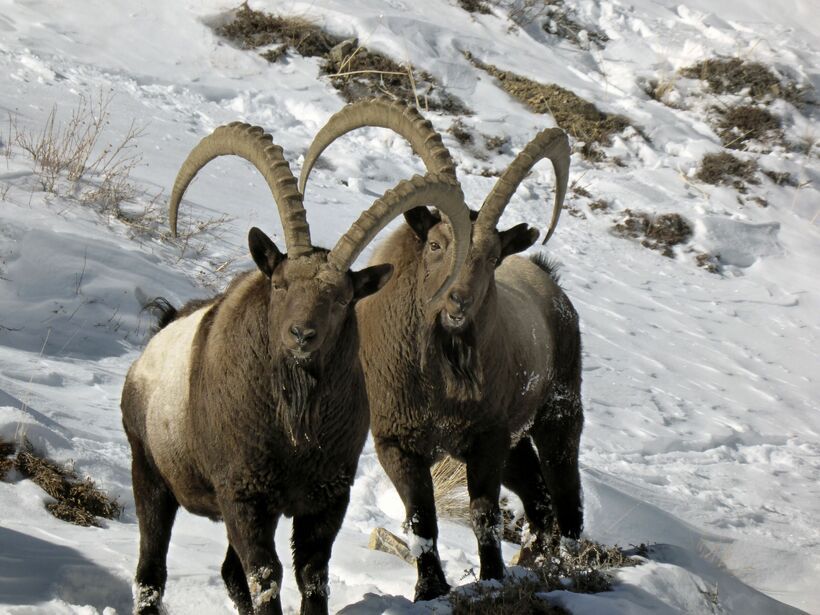
The rutting season occurs from late October to early January. During this time, males engage in fierce horn-clashing battles to win over females.
Gestation: 170–180 days, resulting in the birth of one, occasionally two, offspring.
Newborns weigh about 3 kg and begin eating grass within a week. Males reach full size at nine years, while females breed as early as two years.
Threats and Conservation Status
Although listed as “Least Concern” by the IUCN, the Himalayan Ibex faces threats from:
- Overhunting
- Habitat degradation
- Climate change
Conservation efforts focus on habitat protection and strict enforcement of wildlife laws.
Cultural Significance
The Himalayan Ibex holds cultural and symbolic importance. It serves as the mascot of the Ladakh Scouts regiment of the Indian Army, symbolizing strength and resilience.
Testimonials
“Seeing the Himalayan Ibex in their natural habitat was a once-in-a-lifetime experience. Their agility and grace are unmatched.” – Sarah Thompson, Wildlife Photographer, United States
“I studied the Himalayan Ibex for my research, and their adaptive traits amazed me. Truly remarkable creatures!” – Dr. William Carter, Biologist, United Kingdom
FAQs
Q1: Where can I spot the Himalayan Ibex?
A: They are commonly found in Ladakh, Himachal Pradesh, and Uttarakhand.
Q2: What do Himalayan Ibexes eat?
A: They feed on grasses, sedges, herbs, and shrubs.
Q3: Are Himalayan Ibexes endangered?
A: No, they are classified as “Least Concern” but face regional threats.
Q4: How do they adapt to high altitudes?
A: Their sturdy build, dense coat, and excellent climbing skills help them thrive in rugged terrains.
Q5: What is the lifespan of a Himalayan Ibex?
A: They live up to 10 years in the wild and can reach 22 years in captivity.