
There’s something magical about losing your way in Ladakh—something that guidebooks can’t teach and GPS can’t navigate. In this land where ancient caravan routes once carried traders between Tibet and Kashmir, getting lost isn’t just inevitable; it’s transformative.
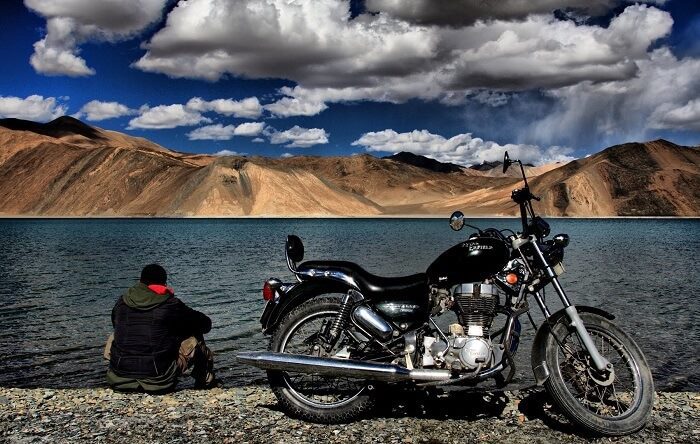
I learned this firsthand during a solo bike ride that began as a straightforward journey to Nubra Valley and ended as something far more profound. What started as a mechanical breakdown near Khalsar village became an unexpected lesson in the value of unplanned encounters.
The word ‘Ladakh,’ known in Tibetan as ‘La-dvags,’ means ‘the land of high passes.’ But perhaps it should also mean “the land where getting lost leads to getting found.” Because in this high-altitude region seated at over 11,000 feet above sea level, every wrong turn reveals a different perspective on what travel really means.
The Art of Beautiful Mistakes
Unlike the well-paved tourist circuits, Ladakh teaches you to slow down. Time works differently in Ladakh—you must let the journey breathe. That’s the real secret to experiencing it fully. When your planned route to Pangong Lake gets snowed out, when your bike breaks down in an unnamed village, when you take the wrong turn at a Y-junction—these aren’t setbacks. They’re invitations.
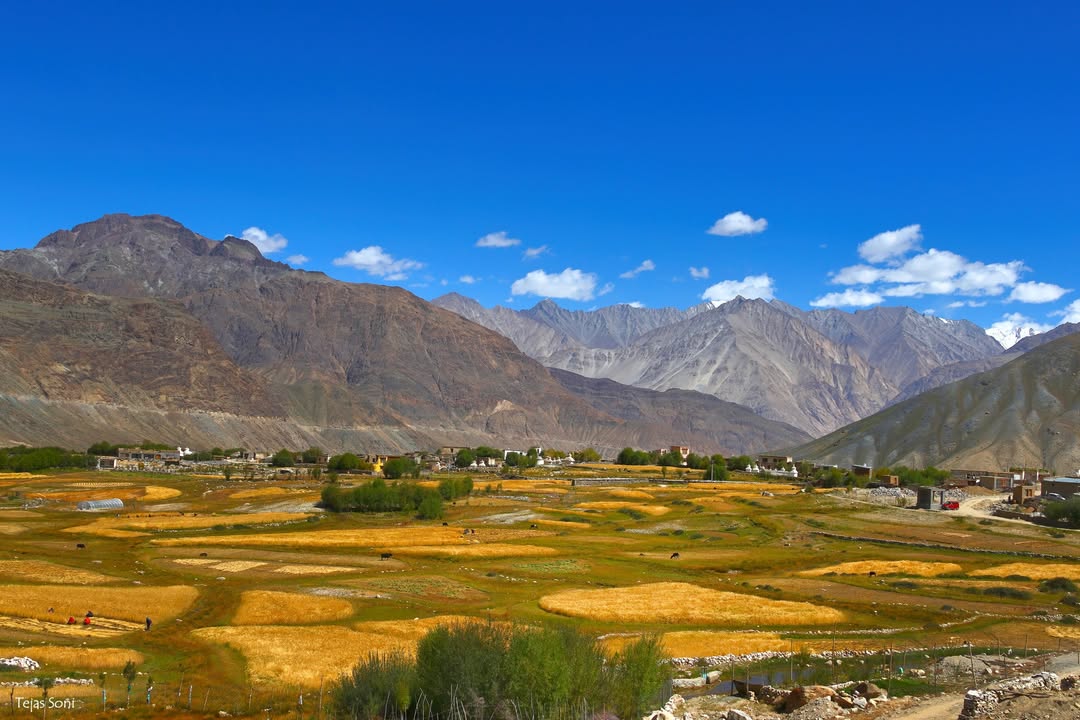
Consider the traveler who found themselves in Khalsar village after a bike breakdown, welcomed by a Ladakhi family for two nights despite language barriers. What started as a mechanical problem became human connection that no itinerary could have planned.
For travelers coming from the well-paved roads of Europe, there is a unique charm in getting lost on purpose—choosing uncertainty over convenience, real encounters over curated comfort. In Ladakh’s remote valleys, this isn’t just travel philosophy—it’s practical wisdom.
Villages Where Stories Live
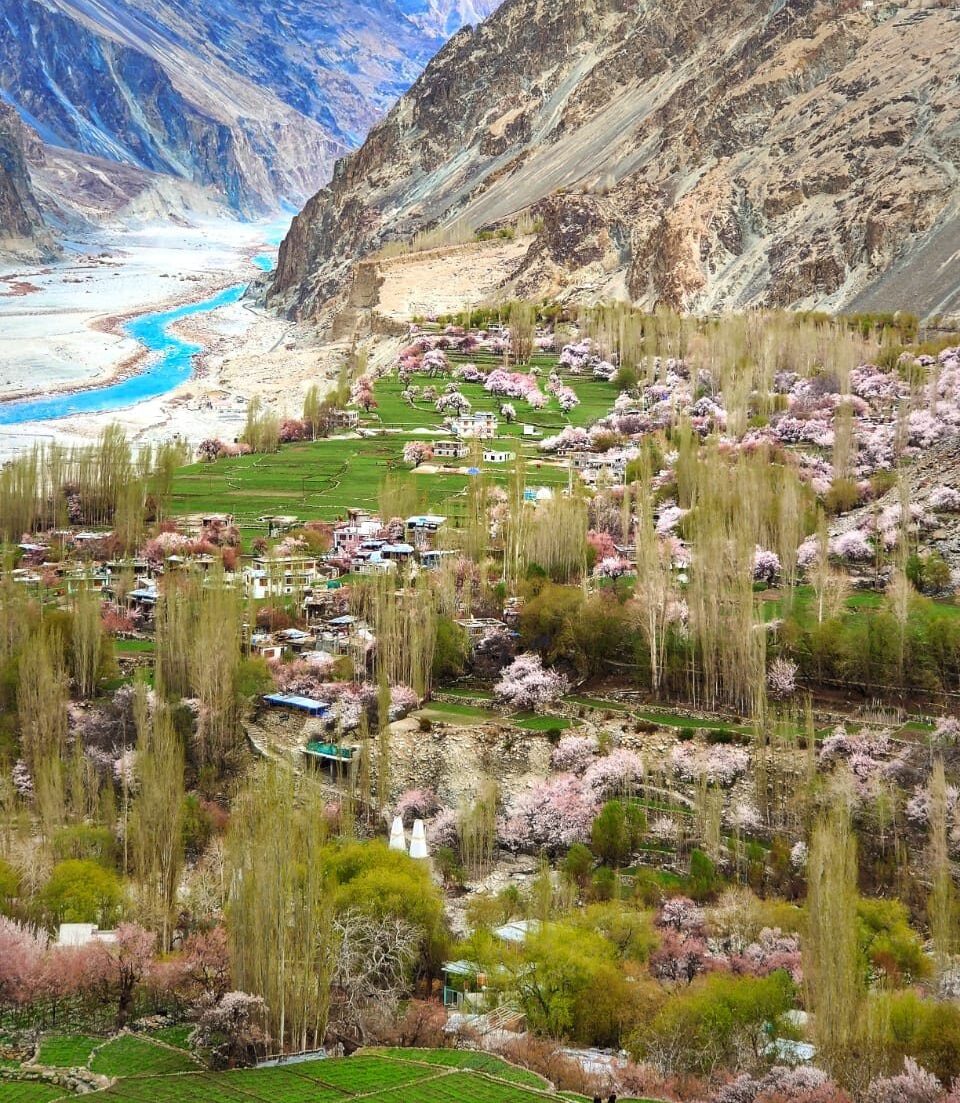
The real treasures of Ladakh aren’t always on the main routes. Remote villages like Turtuk, Hanle, and Sumur offer glimpses of Ladakh’s ancient lifestyle. These settlements, tucked away from the bustling tourist hubs, showcase Ladakh’s rich cultural tapestry. Turtuk, for instance, is one of the last villages of India before the Pakistani border, known for its apricot orchards and distinct Balti culture.
In places like Yangthang and Sumda Chenmo, stories aren’t told—they’re lived. A young monk in a crimson robe blessed dusty boots without a word. A boy with wind-chapped cheeks showed how to filter glacial water through stones. A farmer’s wife taught how to press wild apricots into oil with a smooth stone roller.
These encounters happen when you’re off-route, when your GPS fails, when you depend on hand gestures and smiles to communicate. These moments were the essence of cultural trekking experiences. Unspectacular to some. Unforgettable to me.
The Monastery Road Less Traveled
Ladakh is a spiritual geography where every valley cradles a monastery, every rock face guards a gompa, and every village echoes with the rhythm of Buddhist chants. While famous monasteries like Hemis—the biggest monastery in Ladakh, celebrated for its grandeur and ancient charm, re-established in the 17th century by King Sengge Namgyal—draw crowds, getting lost often leads to smaller, equally profound spiritual encounters.
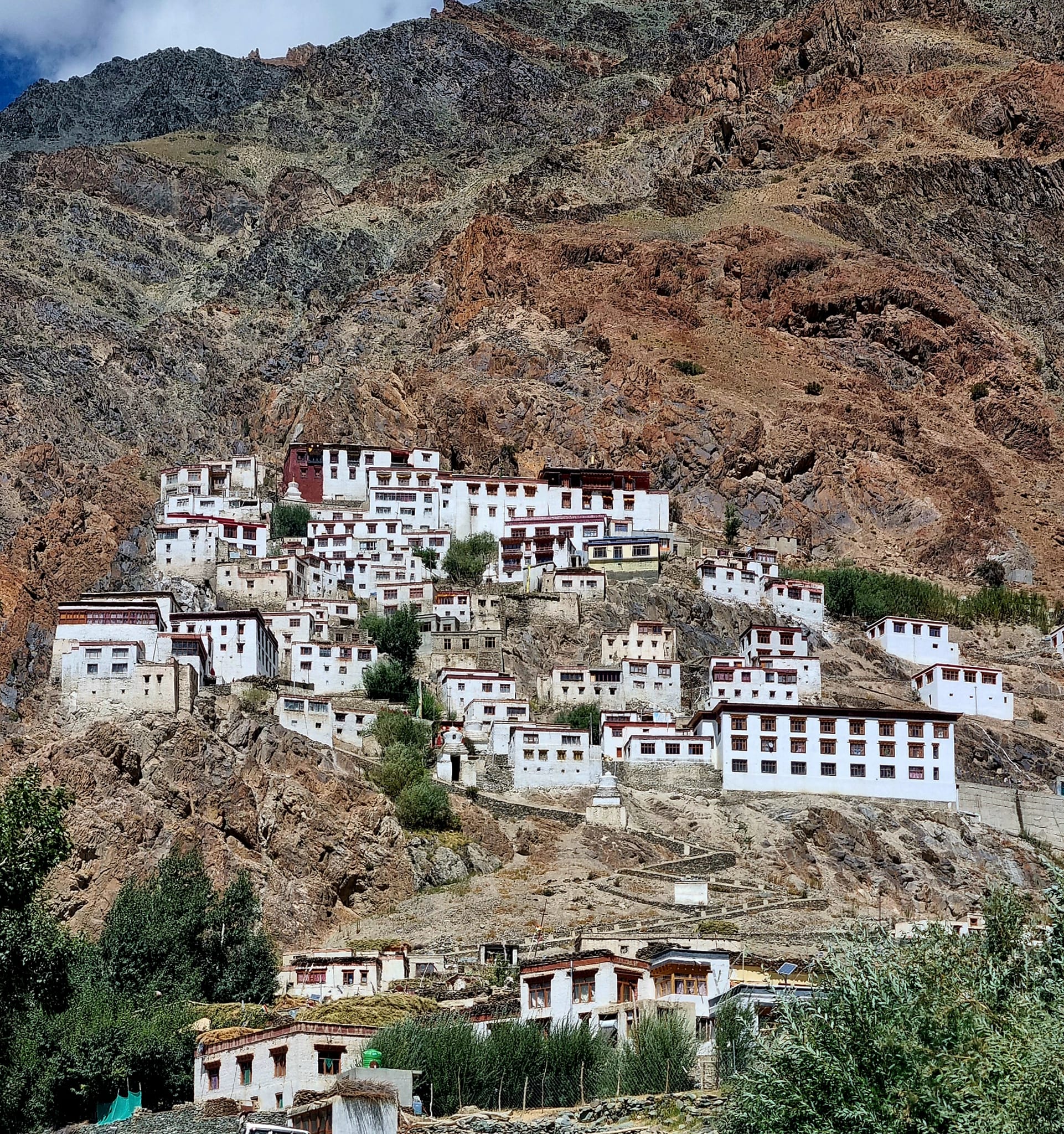
Karsha stands as the largest monastery in Zanskar and feels like a small village clinging to rock. You climb steep paths to reach it, and your breath runs short. Fewer tourists make the journey, so locals form the heart of the crowd. And that changes the mood in the best way.
Sometimes the most meaningful monastery visit happens when you stumble upon a small gompa during an unplanned detour, where bright colourful prayer flags, whitewashed stupas, the smell of juniper wafting through the air, monks adorned in red robes are a common sight, with monasteries in every village and settlement.
Reading the Landscape’s Secret Language
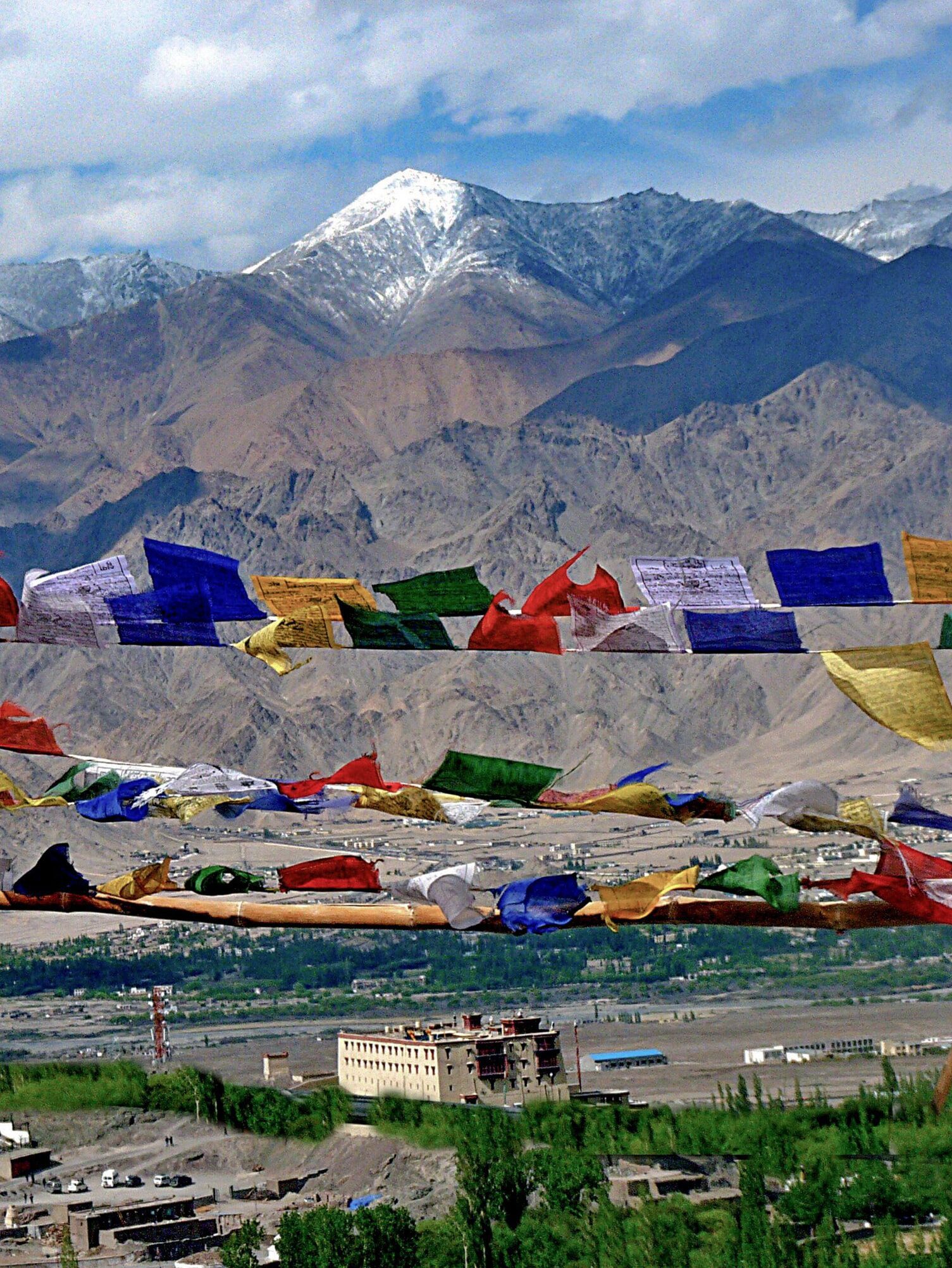
Getting lost in Ladakh teaches you to read a different kind of map—one written in prayer flags and stone cairns, in the direction of streams and the patterns of cultivation. Snowfall here is unpredictable; sometimes it appears out of nowhere and wraps everything in white within minutes. Cold is real, but so is the warmth of the people. The Indian Army and Ladakhi locals represent the true heart of the region—kind, resilient, always ready to help.
When modern navigation fails—and it often does in these remote valleys—you discover that this beautiful region has a diverse topography: lush green valleys and glacial lakes, rustic villages, and astounding Gompas. It lets you escape your busy life and is the perfect destination to rejuvenate yourself.
Understanding your body is the true key to understanding Ladakh. And understanding Ladakh requires accepting that some of the best discoveries happen when you’re physically lost but spiritually found.
The Value of Unplanned Encounters
Travelers planning a trip to Ladakh should prepare for high-altitude conditions, respect local customs, and choose responsible travel options. Trekking, rafting, and mountain biking require prior planning, while cultural tours offer insight into centuries-old traditions. But within this framework of preparation, leave room for serendipity.
The best adventures aren’t on itineraries. They happen in the spaces between plans—when you accept an invitation to share tasty Ladakhi tea and bread with strangers, when you discover that getting stranded leads to seeing sunrise over the Shyok River, mist curling above the water like a secret whispered by the mountains.
The 2026 tourism season in Ladakh promises enhanced visitor experiences with a refreshed destination identity and streamlined processes that make Ladakh tourism safer, more accessible, and memorable. These changes aim to welcome global visitors with pristine landscapes, vibrant culture, and a renewed focus on sustainable tourism.
Practical Magic: Getting Lost Responsibly
Getting lost in Ladakh doesn’t mean being reckless. Most monasteries sit at elevations between 3,000 and 4,500 meters. Acclimatize properly in Leh before heading to higher gompas. Drink water, move slowly, and recognize signs of altitude sickness. If needed, consult local doctors or descend to a lower altitude.
The key is building flexibility into your journey. Book the first few nights but leave later days open. Choose local homestays that allow for immersive experiences where one can learn about traditional Ladakhi customs, share meals made from local produce, and participate in community rituals. These accommodations often become launching points for unexpected adventures.
When you do lose your way—and you will—remember that the road will meet you with unexpected kindness, and the silence will speak louder than fear ever could. Trust in the fundamental generosity of Ladakhi culture, where the native people are as innocent as the place itself. The smile on their faces reflects their inner beauty which harmonizes with the beauty of this Himalayan region. It is one of the experiences to cherish for years!
The Return Journey
When you return, you’ll find the trail doesn’t end at the airport gate. It continues, quietly, inside you. Because the horizon was never a finish line. It was always a mirror—showing you what was possible, and who you’ve always been.
The value of getting lost in Ladakh isn’t about the inconvenience or the detours. It’s about discovering that the most meaningful journeys happen when we stop trying to control every moment and start trusting in the unexpected kindness of the world. In Ladakh, getting lost isn’t a mistake—it’s a method. And sometimes, it’s the most direct route to finding what you didn’t know you were looking for.
For travelers planning their journey, remember that sustainability lies at the heart of Ladakh tourism, with government and tourism operators implementing practices to protect the fragile environment while maintaining high-quality visitor experiences. Getting lost responsibly means traveling with awareness, respect, and an open heart.
About the Author:
Junichiro Honjo is the founder of LIFE ON THE PLANET LADAKH, a sustainable tourism advocate who believes in travel that transforms both visitors and communities. With over a decade of experience in the Himalayas, he champions responsible exploration that honors local cultures while protecting fragile mountain ecosystems. His philosophy centers on authentic encounters that happen when travelers embrace uncertainty and trust in the unexpected kindness of remote places.