
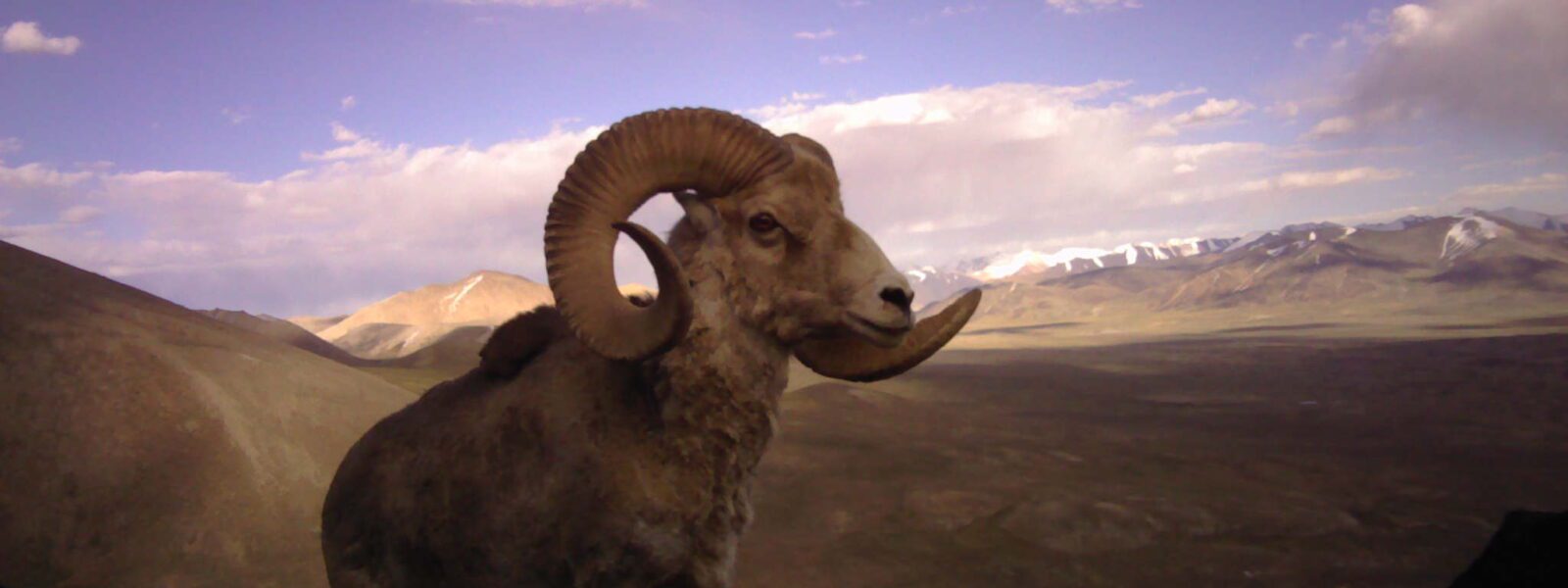
The Argali (Ovis ammon), also known as the mountain sheep, is a fascinating creature that inhabits some of the harshest terrains in the world. Found across the highlands of western East Asia, the Himalayas, Tibet, and the Altai Mountains, the Argali is a symbol of resilience and natural beauty. In this blog, we dive into every aspect of the Argali, from its unique physical characteristics to its habitat, behavior, and conservation status.
Table of Contents
- Introduction to Argali
- Physical Description
- Habitat and Distribution
- Behavior and Social Structure
- Diet and Feeding Patterns
- Reproduction and Life Cycle
- Predators and Threats
- Conservation Efforts
- Customer Testimonials
- FAQs
Introduction to Argali
The Argali is the largest wild sheep species, revered for its majestic horns and adaptability to mountainous environments. The name “Argali” originates from the Mongolian word for wild sheep, and these animals are celebrated in local cultures and ecological studies alike. Their remarkable horns and imposing size make them an iconic representation of high-altitude wildlife.
Physical Description
Size and Appearance
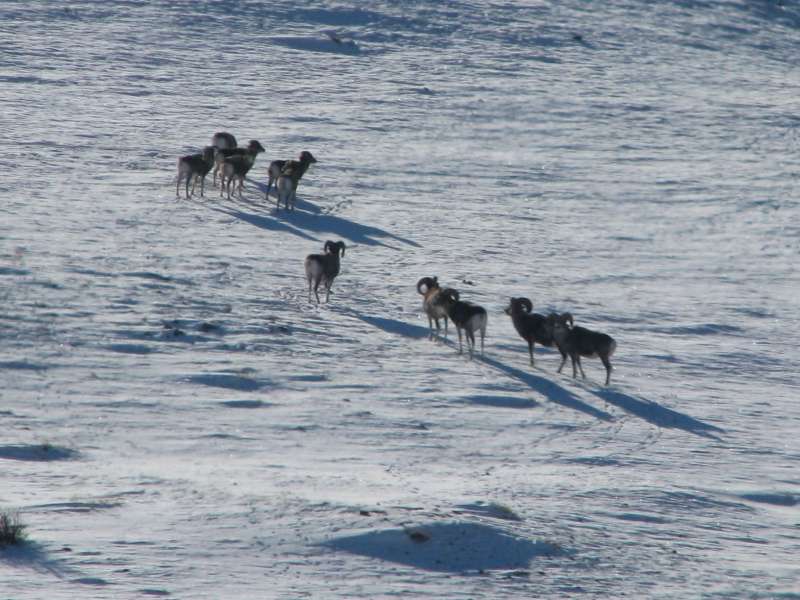
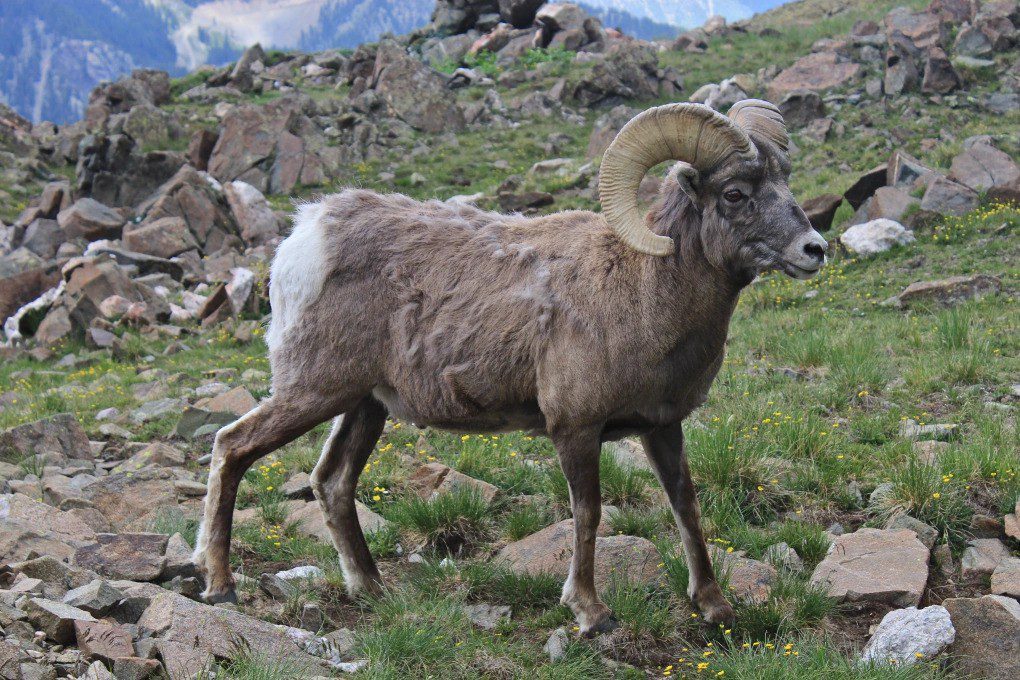
Argali sheep are known for their impressive size, with rams reaching heights of 85–135 cm (3–4 ft) at the shoulder and weighing up to 328 kg (723 lb). Ewes are significantly smaller, weighing between 43.2 and 100 kg (95–220 lb). The Pamir argali subspecies, also known as the Marco Polo sheep, holds the record as the largest subspecies, often exceeding 180 cm (5 ft 11 in) in length.
| Characteristic | Male (Ram) | Female (Ewe) |
|---|---|---|
| Shoulder Height | 85–135 cm | Smaller |
| Weight | 97–328 kg | 43.2–100 kg |
| Horn Length | Up to 190 cm | Less than 60 cm |
Coat and Coloration
The Argali’s coat color varies by region and season, ranging from light yellow to reddish-brown. Males are darker with a whitish neck ruff, while females are lighter. Their distinctive corkscrew-shaped horns are used for defense and dominance displays.
Habitat and Distribution
Argalis inhabit a wide range of mountainous regions from central Kazakhstan to the Himalayas, spanning elevations of 300 to 5,800 meters. Their habitats include rolling highlands, rugged canyons, and steep cliffs, depending on local threats and food availability.
Geographic Range
- Altai Mountains: Western Mongolia and Siberian Russia
- Himalayas: India, Nepal, and Bhutan
- Kazakhstan: Karaganda Region
- Tibet: High-altitude plateaus and rugged terrains
Habitat Preferences
Argali prefer areas with sparse vegetation for visibility against predators. They adjust their elevation based on seasons, avoiding deep snow and seeking areas with adequate food and water sources.
Behavior and Social Structure
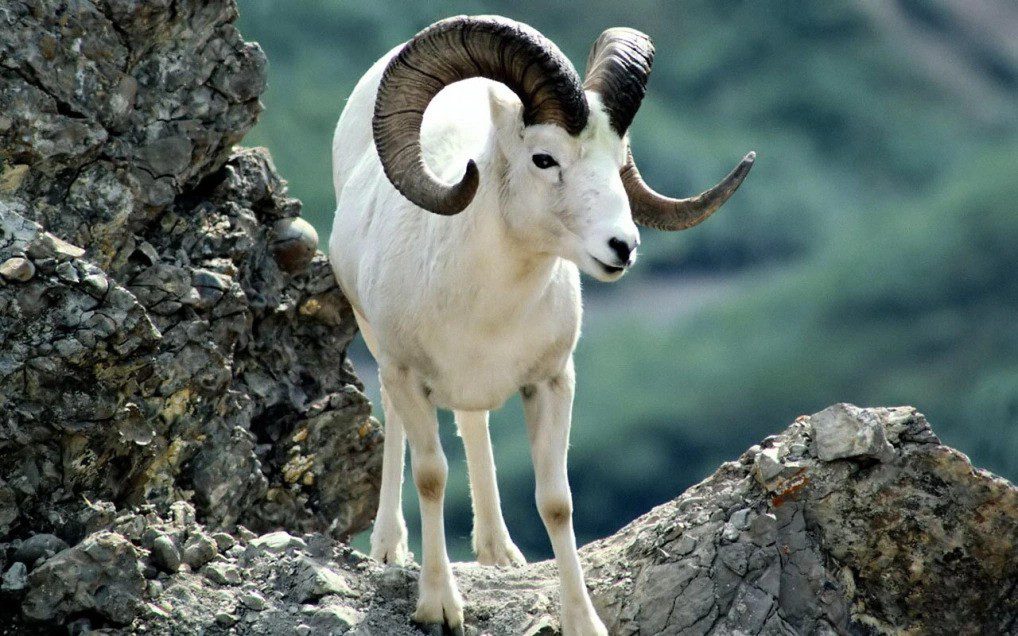
Argali are highly social animals, living in herds ranging from 2 to 150 individuals. Their social groups often segregate by sex, with rams forming small groups and ewes living in larger herds with their young.
Seasonal Migration
Argali migrate seasonally to find food and escape harsh weather conditions. Factors influencing migration include:
- Scarcity of food
- Overabundance of biting insects
- Presence of livestock competitors
Rutting and Dominance
During the rutting season, males compete for dominance through headbutting contests. The victorious males gain access to ewes for mating. These battles are often loud and dramatic, showcasing the immense strength of these animals.
Diet and Feeding Patterns
Argalis are primarily grazers, consuming grasses, sedges, and forbs. Their diet shifts with elevation:
- High Elevation: Grasses and sedges dominate.
- Mid Elevation: Bushes and mesophyte grasses are preferred.
- Low Elevation: A mix of grasses and available vegetation.
They consume up to 19 kg of food daily and require regular access to water, traveling several kilometers in arid regions to find it.
Reproduction and Life Cycle
Breeding Season
Argali reach sexual maturity at 2–3 years of age. Rutting season occurs from October to January, with dominant males mating with receptive ewes.
Birth and Development
- Gestation Period: Approximately 165 days
- Birth Season: March or April
- Offspring: Usually a single lamb, though twins and rare higher multiples occur
Lambs grow rapidly, reaching 10 times their birth weight within a year. They rely on their mothers for milk until they are capable grazers.
Predators and Threats
Natural Predators
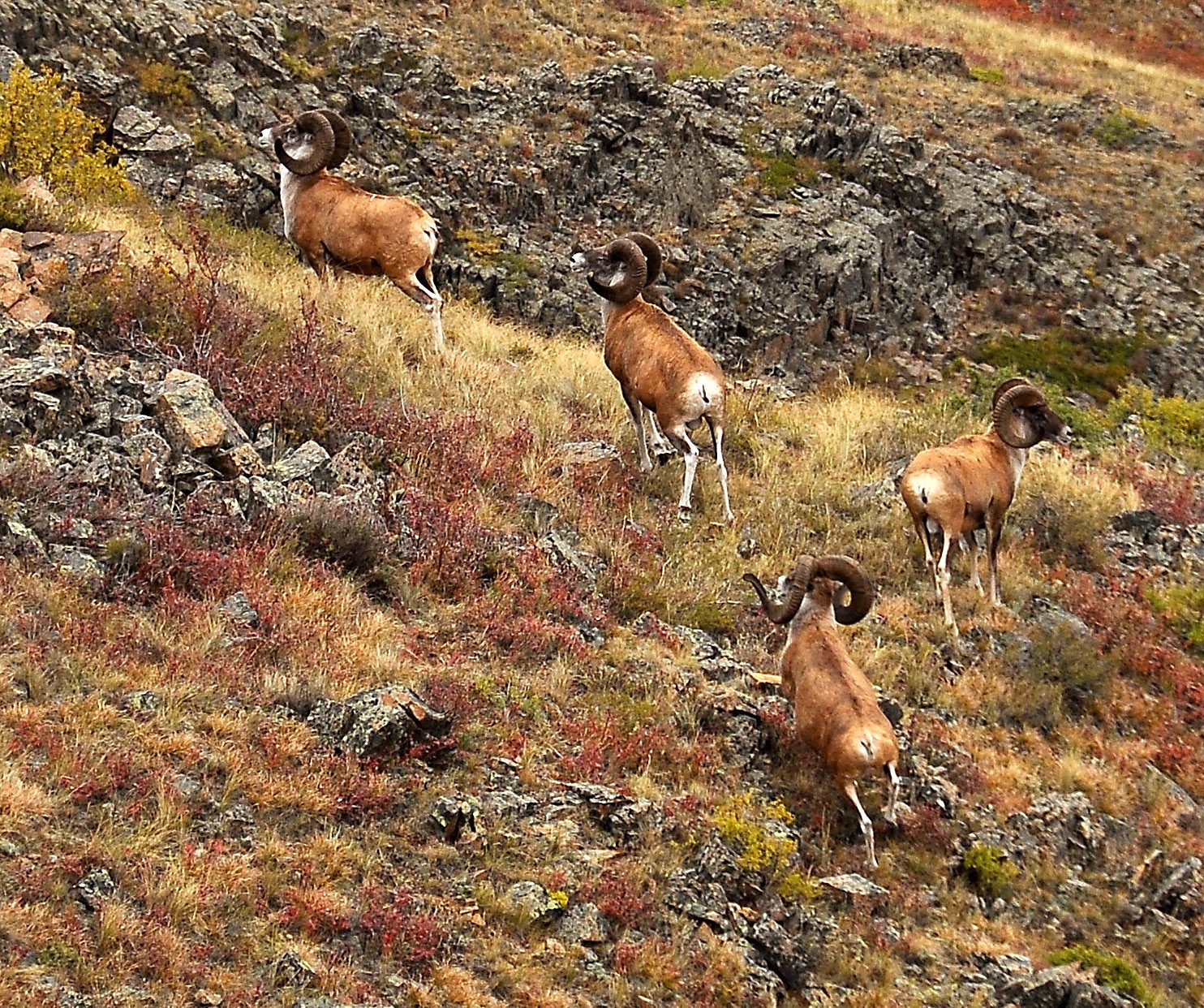
Argali face predation from wolves, snow leopards, and lynx. Lambs are particularly vulnerable to eagles and foxes.
Human-Induced Threats
- Poaching: For meat and traditional Chinese medicine.
- Habitat Loss: Due to livestock competition and deforestation.
- Diseases: Transmitted by domestic animals.
Conservation Efforts
The Argali is classified as Near Threatened on the IUCN Red List. Conservation efforts include:
- Protected Areas: Sanctuaries in the Himalayas and Central Asia.
- Genetic Research: Developing interspecies nuclear transfer embryos to preserve genetic diversity.
- Community Awareness: Programs educating local populations about sustainable practices.
Customer Testimonials
John Miller, Wildlife Enthusiast, USA: “Seeing the Argali in their natural habitat was an unforgettable experience. Their sheer size and grace took my breath away. Conservation efforts are vital to protect these magnificent creatures.”
Sophia Patel, Ecotourism Guide, Canada: “Guiding visitors through the rugged terrains of Ladakh, I’ve seen how majestic Argali are. Every sighting feels like a gift of nature, emphasizing the need to safeguard their existence.”
FAQs
1. What is the largest subspecies of Argali?
The Pamir argali, or Marco Polo sheep, is the largest subspecies, known for its extraordinary size and massive horns.
2. How do Argali adapt to harsh winters?
Argalis migrate to lower elevations with less snow and rely on their strong legs to travel long distances.
3. Are Argali endangered?
Argali are listed as Near Threatened, with some regional populations endangered due to poaching and habitat loss.
4. What do Argali eat?
Their diet consists mainly of grasses, sedges, and bushes, varying by elevation and season.
5. Where can I see Argali in the wild?
Popular locations include the Altai Mountains, Tibetan Plateaus, and highlands of the Himalayas.