
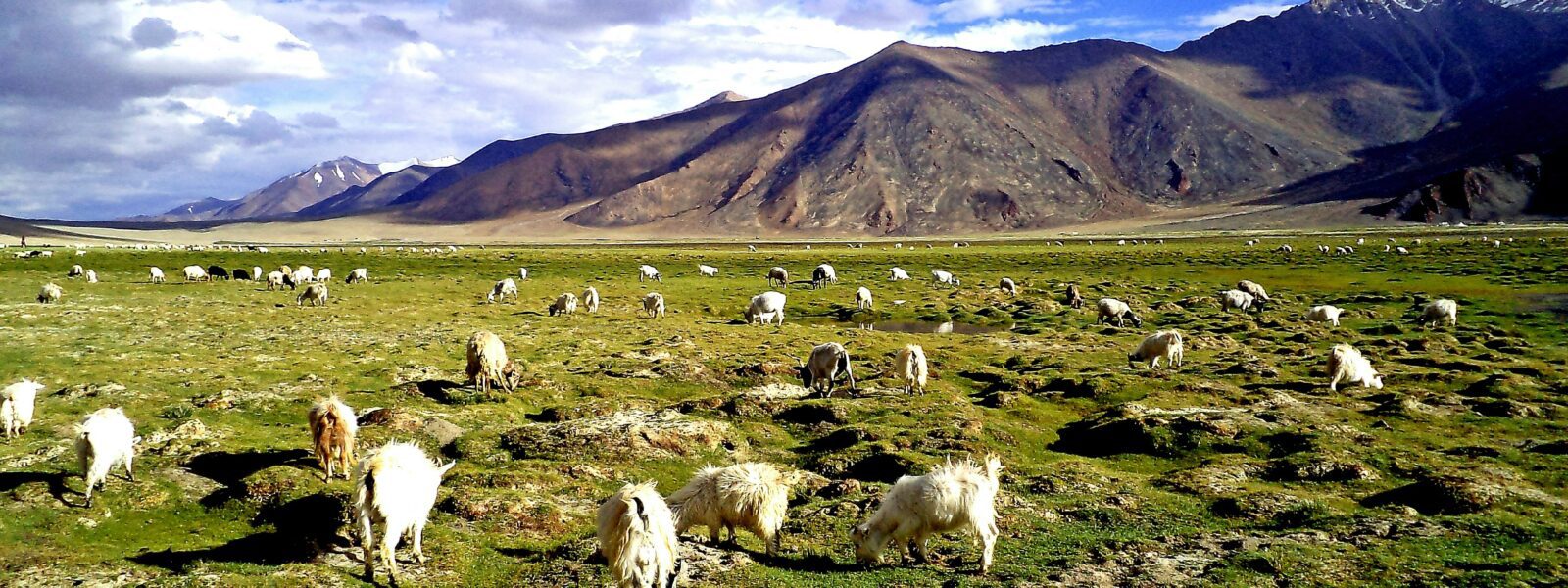
Where the High Plateau Teaches Us How to See Again
By Declan P. O’Connor
1. Prologue: Learning to Listen in Thin Air
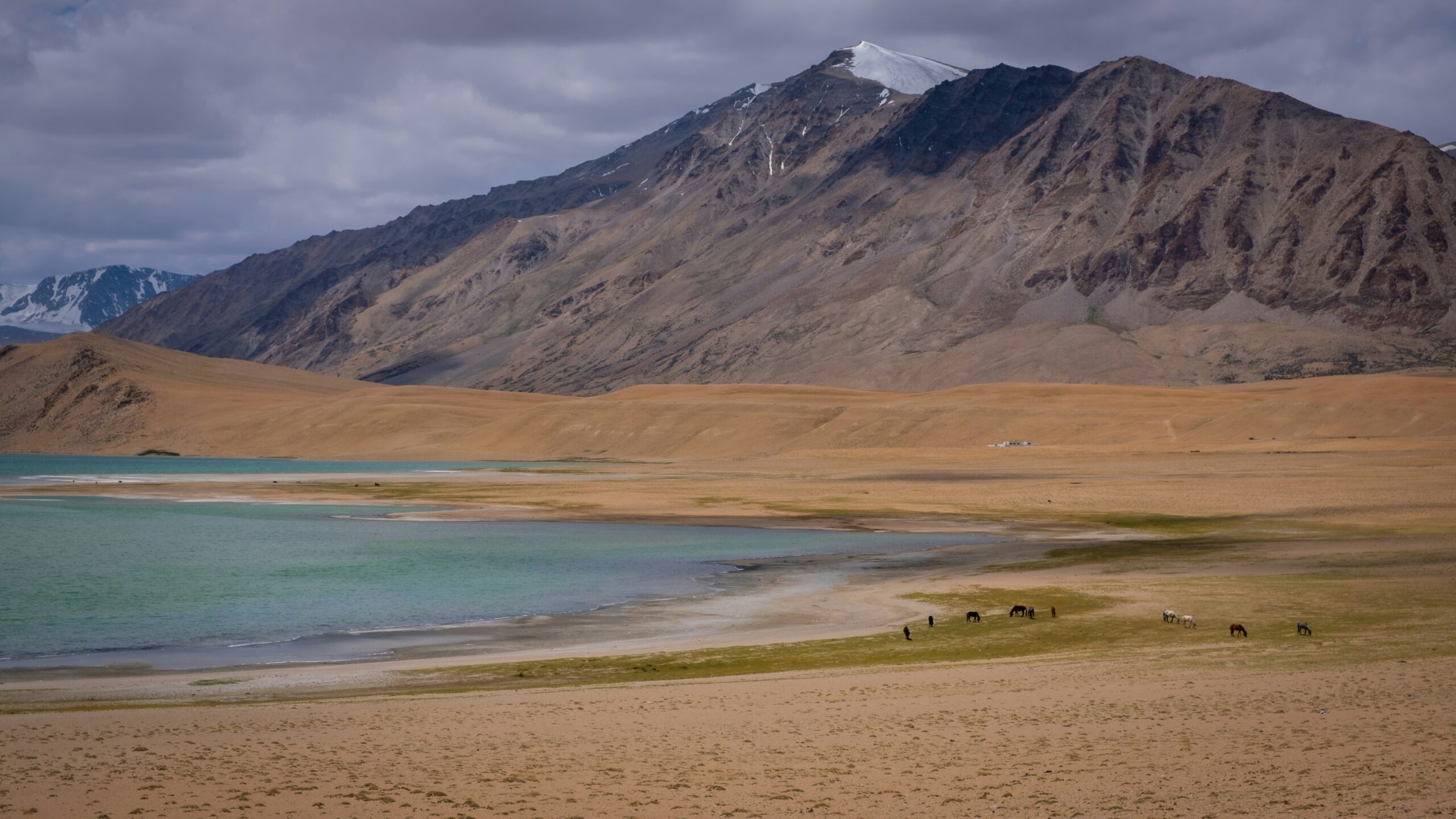
Why the Changthang Plateau Resists Simple Narratives
The map calls it a plateau, as if it were a tidy tabletop laid down between Ladakh and Tibet. On the ground, though, the Changthang Plateau feels less like a place and more like a long, slow question. The road climbs and the oxygen thins, and your first instinct is to summarize what you see: high-altitude desert, wide valleys, distant ridgelines, a scattering of villages that appear like afterthoughts against a vast sky. Yet the longer you stay, the more those easy labels begin to fall apart. The Changthang Plateau refuses to be compressed into a slogan or reduced to a convenient travel category. It demands a slower kind of attention, the kind that makes you admit how quickly you usually pass through the world.
For the casual visitor, these remote Changthang Plateau villages might seem interchangeable. A cluster of whitewashed houses, a few animals, a small monastery hovering on a ridge — then the road bends and you are already elsewhere. But for those who linger, the differences between these communities become unmistakable. Each village carries its own microclimate, its own rhythm of work and prayer, its own history of hardship negotiated with the state, the army, and the weather. To understand why these places matter, you cannot simply check them off on an itinerary. You have to listen: to the way the wind changes direction in the afternoon, to the way elders switch between languages mid-sentence, to the way the Changpa nomads talk about pasture as if it were a member of the family.
If Ladakh’s valleys teach you how to walk slowly, the Changthang Plateau teaches you how to see again. The light is unforgiving, so every line in the landscape is etched sharply, every mistake in your own assumptions equally visible. Travelers come for the idea of remoteness, but what they find is something more unsettling: a mirror. The plateau’s empty distances return your own restlessness to you and ask whether constant motion has really made you free. That is why these villages resist simple narratives — they reveal how much of our travel story is about us, and how much remains unspoken about the people who stay.
The Cultural and Ecological Threshold Between Ladakh and Tibet
The Changthang Plateau stretches across borders drawn on maps in distant capitals, but its culture predates those lines. To the west lies the more familiar Leh–Indus corridor; to the east, the broader Tibetan world. The Changthang Plateau villages inhabit a threshold between the two, a liminal space where state boundaries are recent, but pastoral memory is ancient. Here, stone houses coexist with yak-hair tents, monastic chants with military radio, satellite dishes with stories of winter journeys made on foot when the roads did not yet exist. The villages are Indian by passport, Tibetan by language and ritual, and unmistakably Changthang in their sense of scale and time.
Ecologically, this high-altitude world is equally hybrid. Wetlands emerge unexpectedly in the middle of apparent desert, attracting migratory birds that make the Changthang Plateau their brief seasonal home. Salt lakes flash silver and white between brown hills, and geothermal springs hiss quietly in the middle of barren valleys. The pastoral economy is tuned to a fragile balance: too little snow and the grass does not grow; too much and the passes close earlier than planned. Climate change is not a distant abstraction here but a yearly recalculation of survival. The villagers and nomads of Changthang navigate this uncertainty with a mixture of improvisation and inherited knowledge — shifting camps, altering routes, adjusting flock sizes — in ways that rarely appear in glossy brochures.
To stand in one of these borderland settlements is to feel both proximity and distance at once. Lhasa is closer in culture than New Delhi, yet the decisions made in Delhi shape road construction, telecom towers, and school curricula. The Changthang Plateau villages sit at the hinge between geopolitical anxiety and local continuity. Soldiers patrol the ridges; children walk to school past prayer flags; elders take comfort in rituals that have outlived many changing regimes. For the traveler from Europe, this threshold is humbling: it challenges the idea that modernity moves in a straight line from “traditional” to “developed.” On the Changthang Plateau, the line bends, loops, and occasionally disappears into the snow.
2. Why These Villages Matter More Than a Map Suggests
The Philosophy of Distance: Why Remoteness Shapes Human Character
Distance, in much of modern Europe, is a problem to be solved. High-speed trains, budget airlines, motorways — all exist to shrink the time between here and there. On the Changthang Plateau, distance is not an inconvenience; it is the basic material from which character is formed. When the nearest hospital is hours away and the winter road can close without warning, people learn to plan for what cannot be predicted. The remote Changthang Plateau villages have cultivated a philosophy of distance that shows up in the smallest details of daily life: the way supplies are rationed, the way repairs are improvised, the way neighbours become an informal insurance system against failure.
For the visitor, this remoteness can feel romantic for about twenty minutes and then quietly unsettling. You realize how much of your confidence rests on the assumption that help is always a phone call away. Here, phone signals fade in and out, fuel deliveries are uncertain, and winter storms do not check the forecast before arriving. Yet the people of these villages carry no melodrama about their circumstances. Distance is simply the given condition, not a heroic obstacle. Children walk long routes to school without complaint. Families accept that a journey to the district headquarters may require an overnight stay, or two, or three. Far from making life small, distance stretches it — days are measured not in appointments but in the time it takes to move sheep, fetch water, or visit a relative in a neighbouring valley.
For a European reader, there is a quiet lesson here. The Changthang Plateau villages remind us that remoteness can be an ethic as well as a geography. When you cannot outsource resilience to a supply chain or a delivery service, you build it into your relationships instead. You depend on others not in abstract solidarity, but in very concrete ways: borrowing a tool, sharing fodder, taking in animals when a neighbour falls sick. Distance forces a certain seriousness about commitment, because flaking on a promise can have consequences far beyond inconvenience. Remoteness, in other words, trains people in a kind of moral stamina that our hyper-connected world often erodes.
Nomadic Memory, High-Altitude Adaptation, and the Ethics of Presence
Even in villages that now appear settled, the memory of movement remains strong. Many families in the Changthang Plateau villages trace their roots to pastoral camps that shifted seasonally, guided by grass and snow rather than by property lines. This nomadic memory shapes how people occupy space. A house is important, but so is the route between the winter and summer pastures. A village boundary matters, but so does the knowledge of where to find shelter when a storm arrives unexpectedly. To live here is to accept that human plans must be negotiable when the weather, the animals, or the land say otherwise.
High-altitude adaptation is visible in the body — in the sure footing on loose gravel, the steady breath at 4,500 metres, the relaxed way children run in air that leaves visitors gasping. But it is also visible in a certain ethic of presence. In the Changthang Plateau villages, people rarely pretend they can be in two places at once. The distances are too real, the work too physical. When someone comes to visit, they commit several hours to the encounter. When a guest arrives, the host accepts that the day’s tasks will have to be reordered. There is no illusion of omnipresence or multitasking; one is simply here, or somewhere else, and each choice has weight.
For travelers used to living online as much as in place, this ethic of presence can be disorienting, even liberating. Your phone battery dies quickly in the cold; the signal disappears around the next bend; the screen becomes little more than a camera. What remains is the immediate company of people and land. To walk with a Changpa herder as he checks on his flock is to witness an intimacy with terrain that cannot be downloaded. He reads the slope, the clouds, the behaviour of the animals, and decides whether to linger or move on. Presence here is not a mindfulness slogan; it is a daily, practical discipline without which survival would be impossible.
How the Plateau Reframes the Traveler’s Expectations of “Adventure”
Adventure, in many travel brochures, is a packaged experience: a manageable amount of risk, framed by assurances of safety and comfort. On the Changthang Plateau, adventure is less photogenic and more honest. Roads may close, homestays may be full, the only available meal might be simple tsampa and butter tea. The remote Changthang Plateau villages do not exist to fulfil a visitor’s fantasy of ruggedness; they function on their own terms, and sometimes those terms are inconvenient. Yet precisely because of this, the encounters that happen here can feel more genuine than any planned “off-the-beaten-path” excursion.
The plateau asks awkward questions of our expectations. Do we want authentic encounters, or curated ones that feel authentic but operate on our schedule? Are we willing to accept that a village celebration, a livestock emergency, or a sudden storm may rearrange our perfect itinerary? In Korzok or Hanle, the arrival of an outsider is rarely a major event. People are polite but busy. Children may be curious, yet they still have chores. The traveler is gently decentered; the story is no longer about them. That subtle shift — from being the main character to being a guest in someone else’s narrative — is perhaps the most meaningful form of “adventure” the Changthang Plateau can offer.
In this sense, the plateau helps cure a particular modern illness: the belief that every journey must justify itself with dramatic transformation. Many visitors leave the Changthang Plateau villages quietly changed, but not in ways that make for viral headlines. The change is more like an adjustment of focus, a recalibration of what counts as “enough”: enough comfort, enough connectivity, enough control over circumstances. You may return to Europe still fond of your trains and heating systems, but some part of your imagination will remain tuned to a different frequency — one that measures a good day not by efficiency, but by attentiveness.
3. Ten Remote Villages Where the Soul of Changthang Still Lives
Korzok: A Monastery on the Edge of the Sky
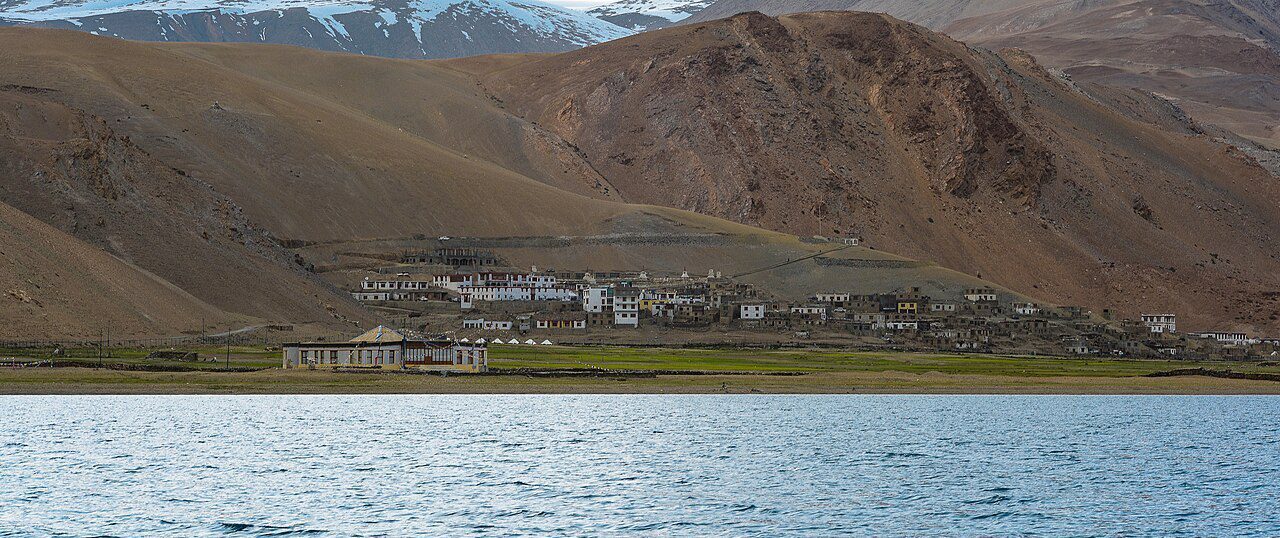
Korzok sits above Tso Moriri like a punctuation mark at the end of a long sentence of road and silence. The first time you arrive, you might notice the obvious things: the monastery perched on its rocky outcrop, the white houses stacked along the slope, the lake shimmering in colours that seem too saturated to be real. Look longer, and the village reveals itself as one of the key Changthang Plateau villages, a place where spiritual endurance and practical survival are woven together. Monks walk past tethered yaks; herders spin prayer wheels before heading to the pastures; schoolchildren navigate narrow lanes with an ease that belies the altitude.
What makes Korzok remarkable is not just its postcard beauty, but the way life here refuses to separate the sacred from the ordinary. The monastery’s chants drift over the houses at dawn, but so does the smell of dung fires and boiling tea. Pilgrims arrive to circumambulate the lake, believing its waters to be blessed; at the same time, villagers worry about grazing rights, snowfall, and the long-term impact of climate shifts on the surrounding ecosystem. For the traveler, it is tempting to see only the serenity of the lake and the drama of the mountains. Yet Korzok’s true lesson lies in its quieter details: the patience of an elder spinning a rosary while waiting for a grandson to return from Leh, or the way a young woman describes her mixed feelings about tourism — grateful for income, uneasy about crowds. To stand here, between monastery and shoreline, is to feel how the soul of Ladakh beats not in marketing slogans but in the small negotiations of each day.
Sumdo: A Quiet Threshold Between Worlds
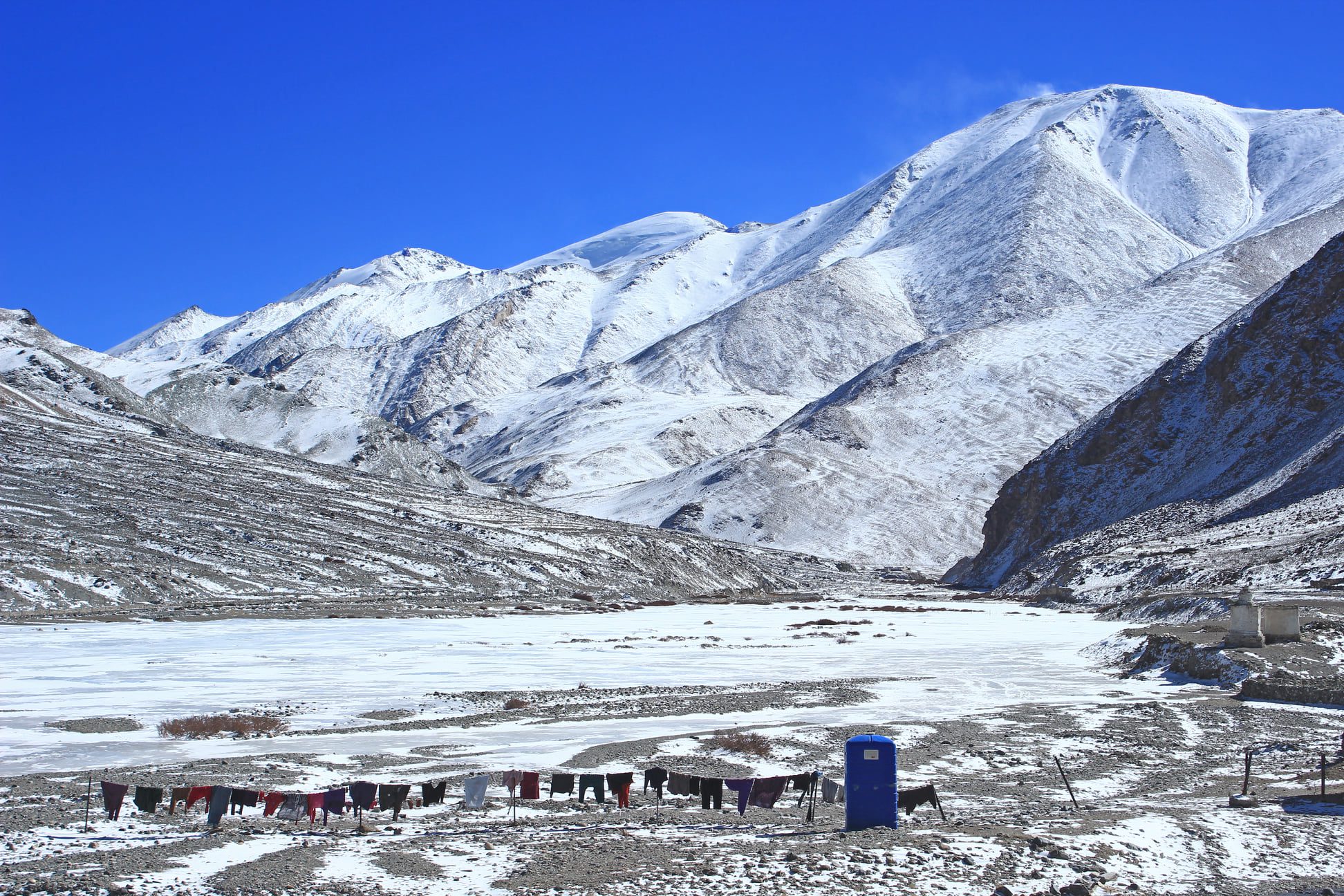
Sumdo is easy to overlook, and that is precisely why it matters. Many travelers pass through this modest settlement on their way to more famous lakes and passes, noticing little more than a few houses, a stream, and the inevitable tea stall. Yet Sumdo is a threshold, one of those Changthang Plateau villages that mark the transition from the busier Indus corridor into the more austere interior of the high plateau. The valley narrows, the hills rise, and the sense of being gently but firmly removed from the rest of the world grows with every kilometre.
Life in Sumdo runs on a quieter register than in more prominent villages. Fields of barley and peas cling to the flat land by the water, while sheep and goats graze on the slopes above. There is less public spectacle here, fewer dramatic landmarks to point a camera at, but that does not mean the place is empty. Instead, the village invites a slower form of observation. You might watch a family negotiate the logistics of moving animals to a higher pasture, listen to the way weather is discussed with a mix of fatalism and practical calculation, or simply notice how the afternoon wind shifts from pleasant to chilling in the space of ten minutes. Sumdo teaches the traveler that thresholds deserve their own attention, that in the Changthang Plateau, the edges between destinations are often where the most honest stories unfold.
Puga: The Earth Breathing Beneath Your Feet
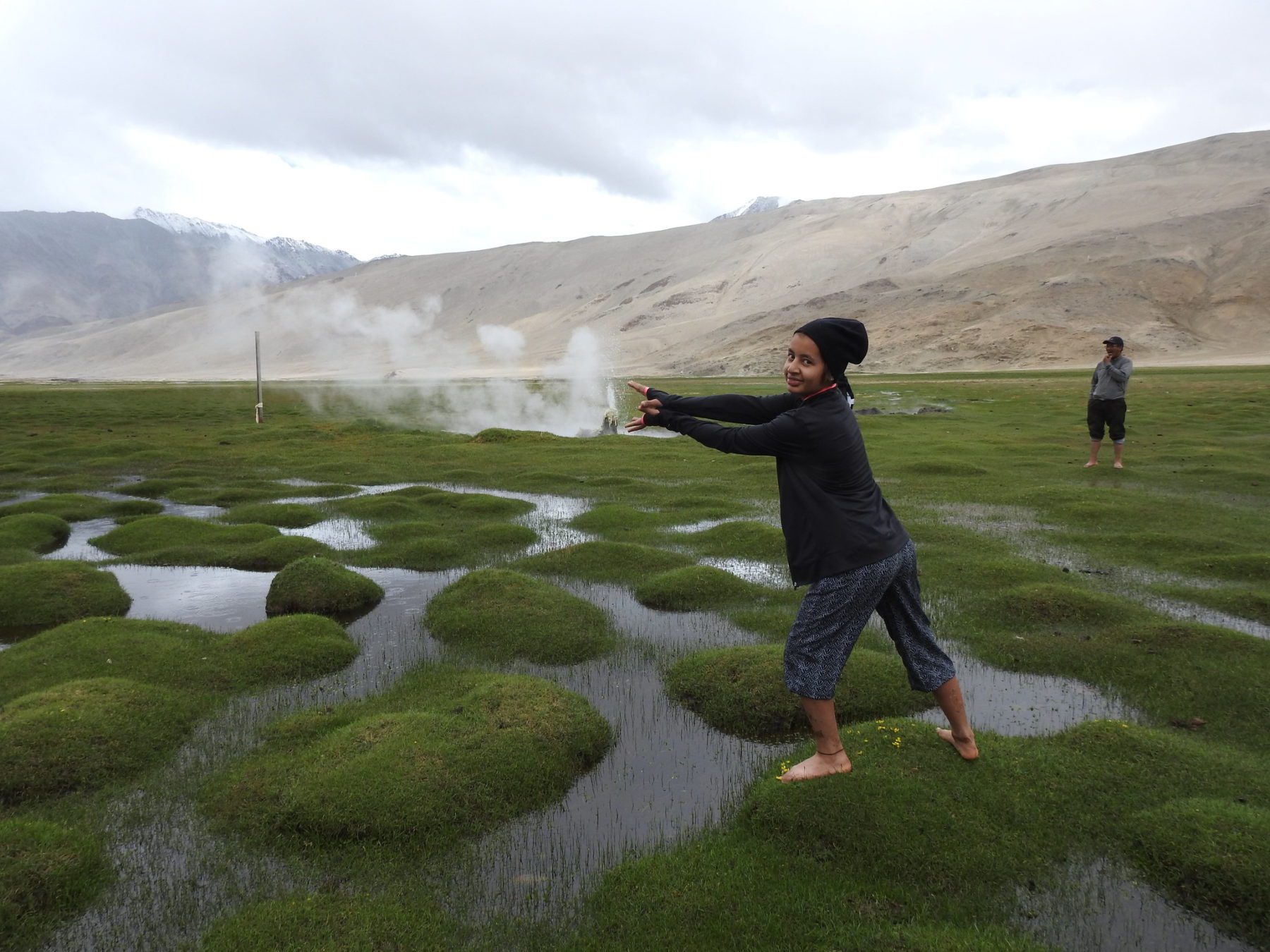
Puga feels, at first encounter, like a place where the earth has decided to reveal one of its private habits. Steam rises from the ground, mineral deposits stain the soil in improbable colours, and the air carries a faint, acrid tang that reminds you this planet is not as stable as it looks from an airplane window. One of the most distinct Changthang Plateau villages, Puga has become known for its geothermal activity and the scientific interest it attracts. Researchers arrive with equipment; travelers arrive with cameras; the land responds by puffing out another small cloud of steam, unimpressed by either.
Yet Puga is more than a field site or a curiosity. Families here live with the benefits and burdens of a landscape that is both generous and volatile. Warm springs ease winter hardship, but the same underground forces can alter water quality or shift soil in ways that complicate agriculture and construction. Children grow up treating bubbling pools as both familiar and slightly dangerous, a background presence like a moody relative. For visitors from Europe, used to geothermal energy being discussed in policy papers and urban pilot projects, Puga offers a more visceral introduction. Energy here is not a tidy abstraction; it seeps out of rock and mud, reminding everyone that the earth’s interior is not a distant concept but a neighbour.
In the evenings, when the steam softens in the fading light, the village looks almost ordinary again. Smoke from household fires mingles with the vapour from the ground, and for a moment the planet’s breath and human breath are indistinguishable. It is then that Puga’s deeper message becomes clear: the Changthang Plateau villages live with a kind of geological intimacy that many modern societies have forgotten. To stay here, even briefly, is to realize that stability is always provisional, borrowed from forces we do not fully understand.
Thukje: Where Wetlands Become a Sanctuary for Stillness
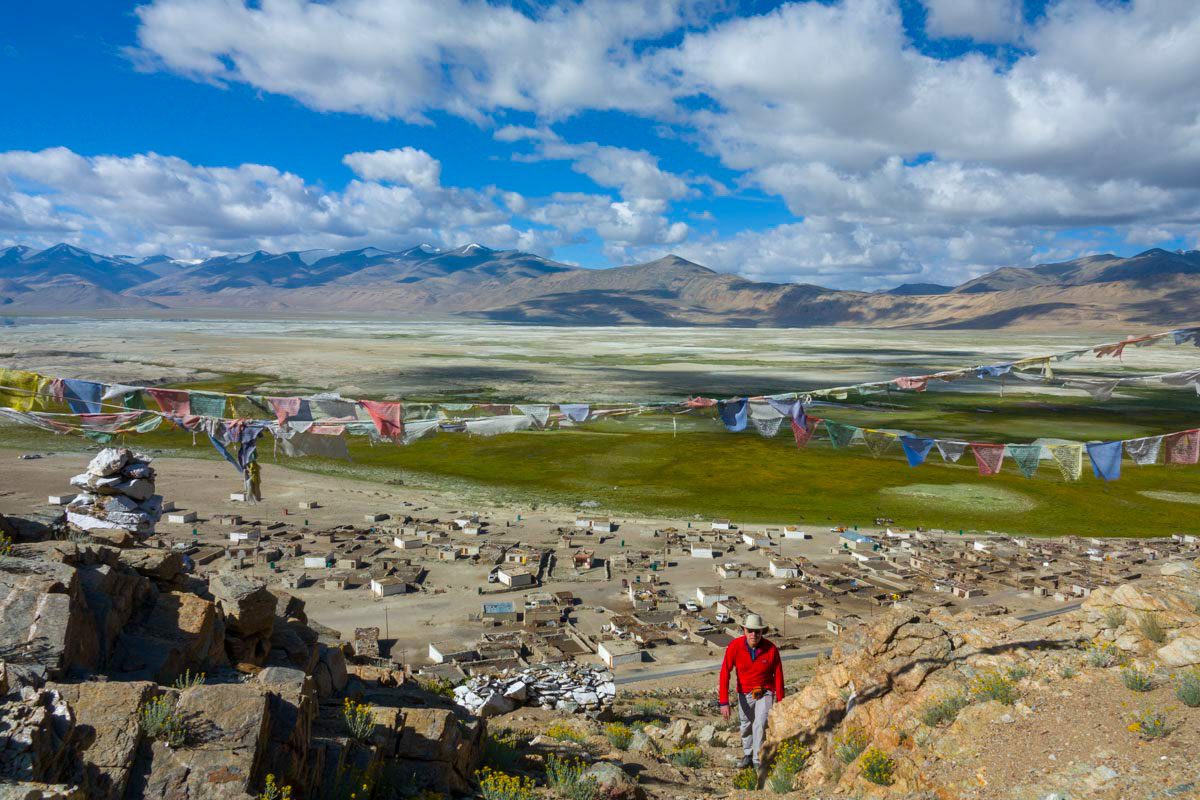
Thukje lies in the orbit of Tso Kar, a salt-and-freshwater lake system that looks, from a distance, like a simple patch of blue and white. Up close, it is a complicated mosaic of wetlands, marshes, and shoreline that shift with the seasons. Among the Changthang Plateau villages, Thukje is particularly attuned to this watery world. The villagers depend on the surrounding grasslands for their animals, yet they also live with the knowledge that this fragile ecosystem supports migratory birds that have crossed continents to rest here. The stillness you feel on the edge of the lake is not emptiness; it is a crowded silence, full of wings and reeds and patient watching.
When the wind drops, Tso Kar can look like glass, and Thukje seems to float between earth and sky. On such days, the ordinary tasks of village life — milking, repairing walls, gathering dung — unfold against a backdrop that might tempt a visitor to poetic exaggeration. But the residents of Thukje are mostly pragmatic about their surroundings. They watch the water level and worry about its changes; they note shifts in bird patterns with an attention born not of scientific training but of daily proximity. If climate change is gradually re-drawing the boundaries of the wetland, the people here are among the first to notice, even if they rarely appear in environmental reports.
For the traveler, Thukje offers a different kind of spectacle than high passes or dramatic monasteries. The drama here is slow: a flock of birds lifting together at dusk, a line of animals moving across a distant ridge, clouds reflecting in shallow water. These are not sights that can be rushed or scheduled. They reward the kind of unhurried looking that many of us have trained ourselves out of. Among the Changthang Plateau villages, Thukje is a quiet teacher of patience, reminding visitors that listening to an ecosystem requires more than a quick glance from the road.
Tsaga: The Human Story at the Edge of the Frontier
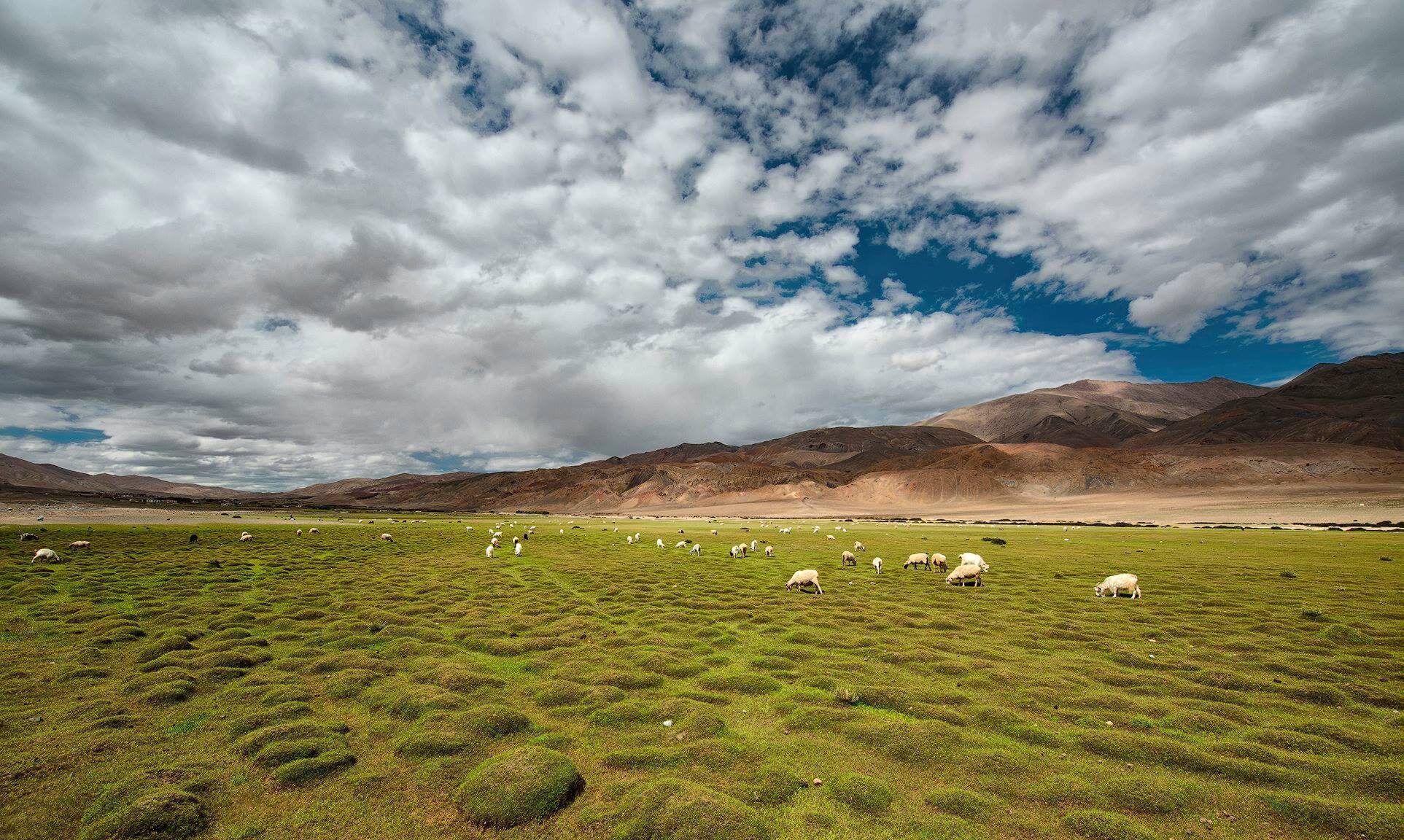
Tsaga sits close enough to the international border that maps and flags are never entirely absent from conversation. Yet when you walk through the village lanes, what you encounter first are not slogans but ordinary lives — children teasing each other, women trading news at a water point, men checking on animals and fences. Among the Changthang Plateau villages, Tsaga carries a particular weight: it is a frontier community in the most literal sense, living with the presence of military infrastructure and the anxieties of geopolitics, yet also trying to maintain a coherent everyday life that predates such concerns.
The landscape here is wide and exposed, and so are the pressures. Roads and checkpoints bring both connection and constraint. Young people debate whether to stay or leave, thinking not only about economic prospects but about the emotional cost of living under constant surveillance. At the same time, there is pride in holding this space, in keeping pastoral and communal rhythms alive in a context where borders can feel abstract to those who draw them but very concrete to those who live along them. The Changthang Plateau villages remind us that national security strategies are experienced at the level of families, fields, and animals.
A traveler from Europe might arrive in Tsaga with a vague sense of “remote borderlands” and leave with a more precise understanding of how complicated that phrase is. The village is neither a romantic outpost nor a tragic victim. It is a place where people maintain rituals, celebrate festivals, and fall in love, all under the quiet shadow of watchtowers and patrols. If you are fortunate enough to be welcomed into a home here, you may share tea and bread while the conversation drifts between grazing concerns and national headlines. Tsaga’s gift is to make the frontier human again.
Nyoma: An Administrative Outpost That Holds the Plateau Together
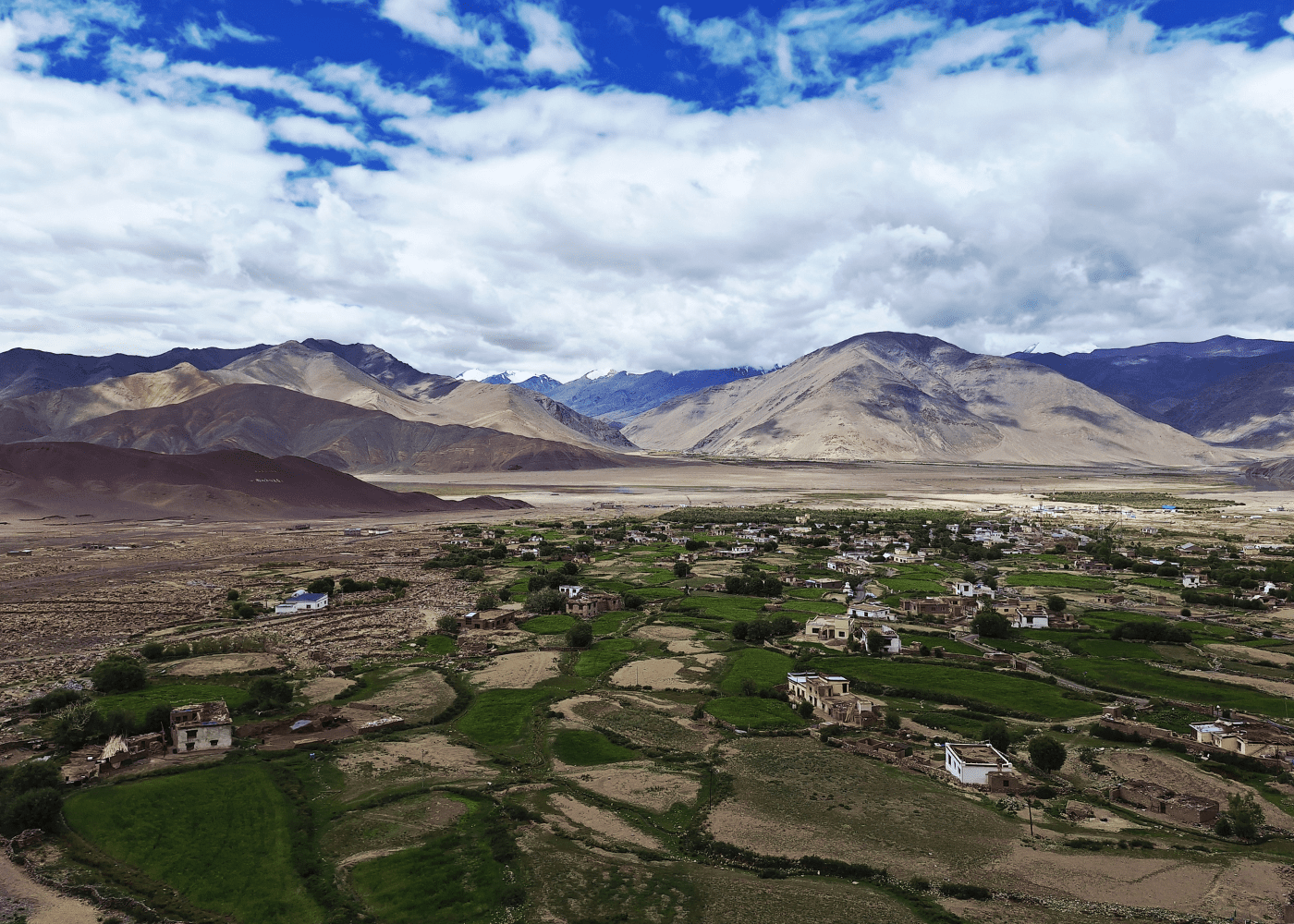
Nyoma feels, at first, more like a small town than a village. There are administrative offices, a more visible military presence, a sense that this is where decisions for a wider region get filed, stamped, and carried out. Among the Changthang Plateau villages, Nyoma plays the role of reluctant hub. People from smaller settlements travel here to deal with paperwork, medical issues, schooling, and supplies. The streets are still dusty, the air still thin, but there is a faint hum of bureaucracy that distinguishes it from quieter pastoral communities.
Yet even here, the plateau refuses to fade into the background. The ridges loom over the settlement, and the river runs close enough to remind everyone that water, not paperwork, ultimately sets the parameters of life. Nyoma sits at the intersection of two tempos: the slow, cyclical rhythm of pastoral life and the impatient, linear time of administrations and development plans. Teachers grapple with curricula that may or may not make sense for students whose families move with animals. Health workers navigate the gap between official protocols and the realities of reaching distant Changthang Plateau villages in winter.
For the visitor, Nyoma offers a glimpse into the institutional side of high-altitude life. It is here that the future of the plateau is often debated, if not always decisively shaped. Will more young people leave for Leh or further afield? Can infrastructure be improved without eroding the cultural and ecological fabric of the region? These questions hang in the air like the dust on a busy afternoon. Nyoma may not be the most photogenic stop on a journey through Changthang, but it is one of the most revealing.
Mahe: The Bend Where the Indus Learns to Wait
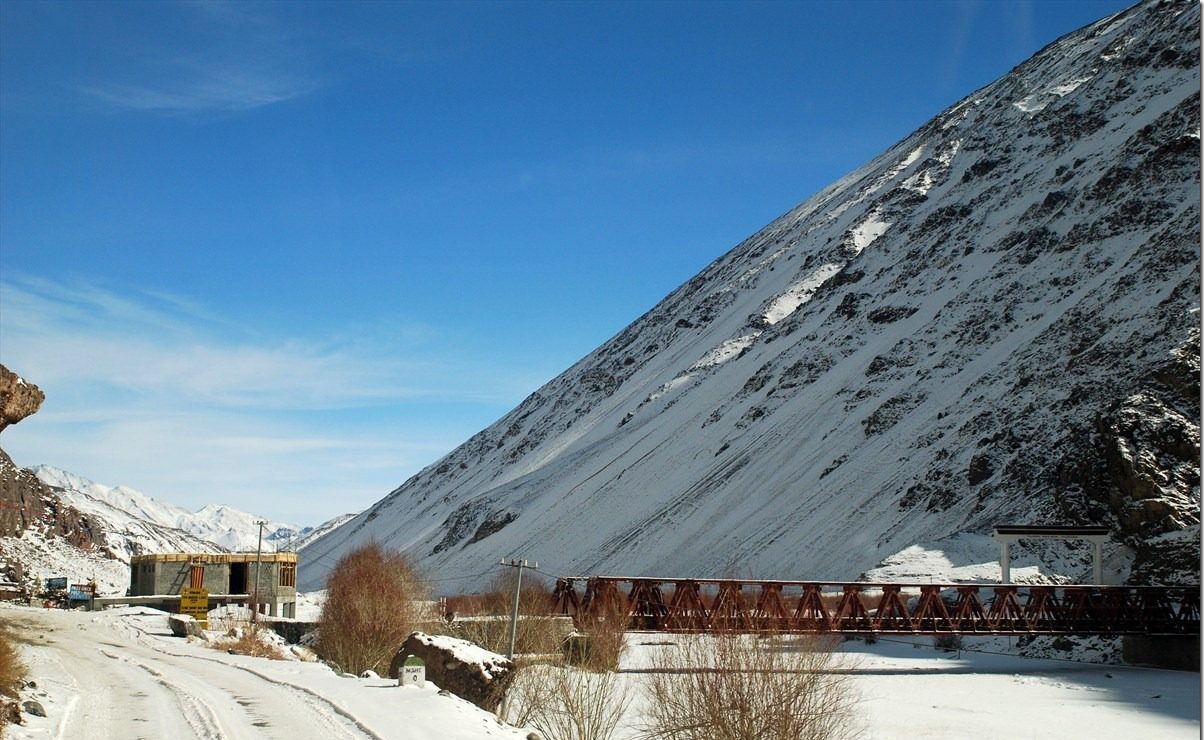
At Mahe, the Indus River pauses in a way that feels almost contemplative. The valley opens slightly, the water slows, and the village gathers along its banks as if drawn by a long-standing appointment. Among the Changthang Plateau villages, Mahe is defined by this bend in the river and by the road junction that has made it a modest but important waypoint. Vehicles heading towards Tso Moriri, Nyoma, or the deeper plateau funnel through here, turning Mahe into a place where routes cross and news travels.
The village itself carries the quiet energy of a crossroads. Shops stock a little of everything; homestays host drivers, traders, and wanderers; conversations blend local concerns with tidings from Leh, Delhi, or beyond. Yet Mahe is more than a convenience stop. The riverbank fields are carefully tended, and the surrounding slopes provide grazing for animals that have learned to navigate both steep terrain and the noise of passing traffic. In the evenings, the sound of the Indus softens the clang of trucks and the echo of horns, restoring a sense of proportion. The Changthang Plateau villages all live in relation to water, but Mahe’s intimacy with the river is particularly tangible.
For a European traveler following the Indus upstream, Mahe offers a chance to consider how rivers structure human movement as much as roads do. The river was here long before the border posts and asphalt, and it will outlast both. The people of Mahe understand this intuitively. They watch for changes in flow, sediment, and fish, knowing that what happens upstream — in weather, in glaciers, in policy decisions — will eventually arrive here in liquid form. To linger by the water at dusk is to feel, however briefly, part of that longer story.
Hanle: Nightfall in One of Earth’s Great Dark Sanctuaries
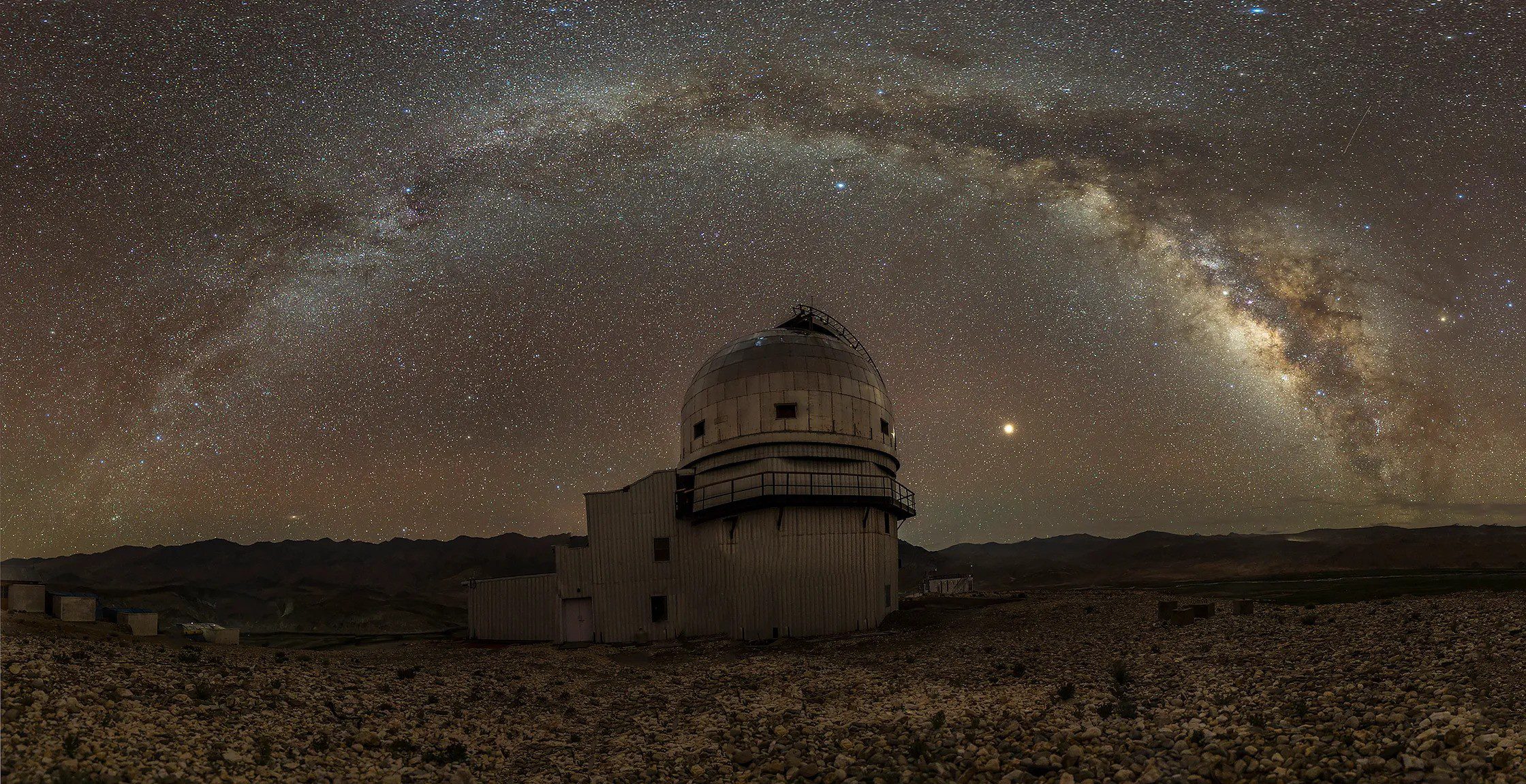
Hanle is where the sky takes over. During the day, it is an appealing but not extravagant settlement: a monastery on a hill, clusters of houses, fields bending gently towards the river. But when night falls, the village transforms into one of the most remarkable Changthang Plateau villages, not because of anything it has built, but because of what it does not have: artificial light. The absence of glow and glare reveals a sky so full that it can feel almost oppressive. Stars crowd the darkness; the Milky Way becomes less a band and more a river; satellites crawl across the horizon like minor afterthoughts.
The presence of a major observatory here is not accidental. Scientists come to Hanle precisely because the surrounding emptiness protects the sky from the kind of light pollution that has become normal across much of Europe. Yet for villagers, the observatory is simply another neighbour, important but not all-defining. They live under this spectacular canopy as a matter of course, timing tasks by sun and moon, telling children stories that map constellations onto local concerns. The Changthang Plateau villages each have their own intimacy with the elements; Hanle’s intimacy is vertical.
For visitors, a clear night in Hanle can rearrange one’s sense of scale. Concerns that felt large in Leh — Wi-Fi speed, itinerary tweaks, minor discomforts — shrink under the gaze of so many distant suns. The temptation is to frame the experience in grand language about insignificance and wonder. Yet the most lasting impression may be more modest: the realization that there are still places on Earth where darkness is not a problem to be solved but a treasure to be guarded. Hanle stands as a quiet argument that progress need not always mean more light.
Samad Rokchen: The Nomadic Rhythm That Refuses to Disappear
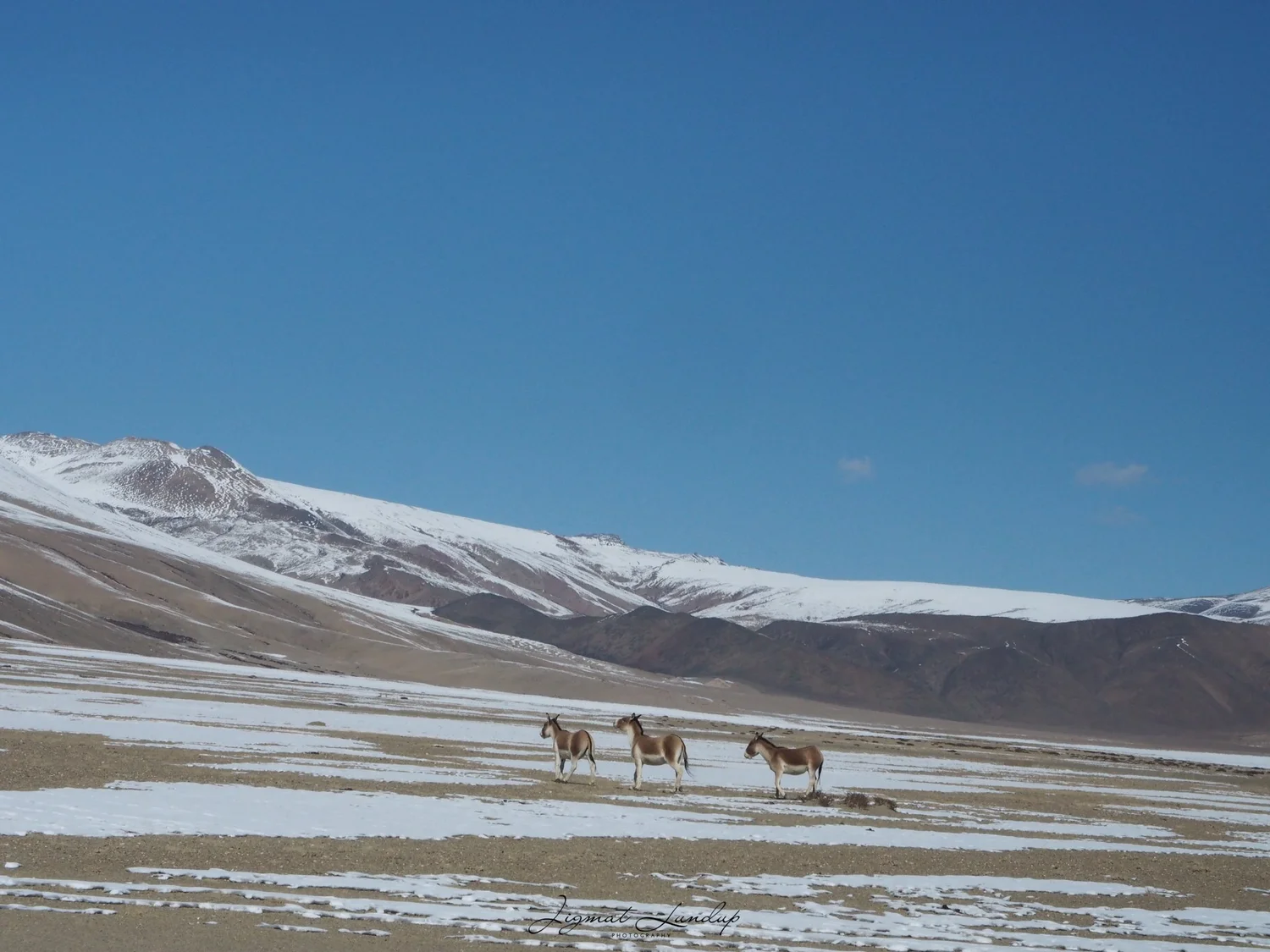
Samad Rokchen is less a single point on the map than a set of paths, grazing grounds, and seasonal camps. Among the Changthang Plateau villages, it represents the persistence of a nomadic rhythm that has been under pressure for decades. Policies, markets, and schooling systems all tend to favour sedentarization. Yet here, many families still move with their animals, navigating a calendar inscribed not in digital appointments but in pasture cycles and weather patterns.
Visiting Samad Rokchen, you quickly learn that “remote” does not mean “static.” Tents are moved, herds split and recombined, routes adjusted according to the state of grass, snow, and ice. Decisions are made collectively and pragmatically, drawing on inherited knowledge that is constantly being tested against new conditions. Children may spend part of the year in boarding schools and part in the high camps, learning to inhabit two worlds that do not always understand each other. The Changthang Plateau villages like Samad Rokchen embody this tension between continuity and change in a way that policy documents rarely capture.
For a European traveler accustomed to associating mobility with freedom of choice, the pastoral movement here can be clarifying. Mobility in Samad Rokchen is not a lifestyle brand; it is work, responsibility, and commitment to animals and land. To walk with a family as they shift camp is to see logistics stripped down to essentials: what can be carried, what must be left, how to ensure the weakest animals are protected. The rhythm is demanding, but within it there is a deep sense of belonging. The land is not a backdrop; it is a partner in a long-term negotiation.
Kharnak: A Community Balancing Between Movement and Settlement
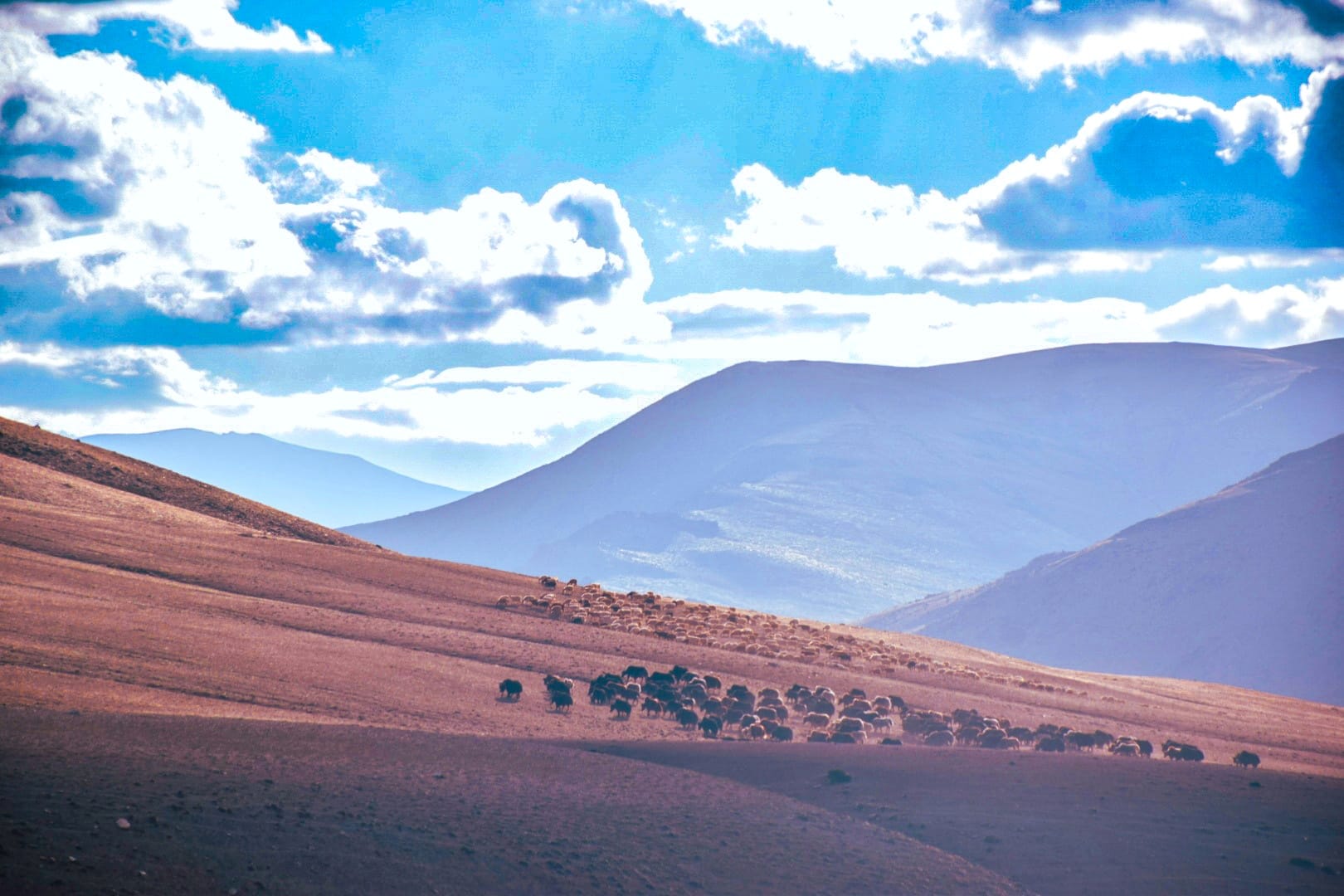
Kharnak has become, in recent years, a symbol of a difficult transition. Once fully nomadic, its people have increasingly moved towards permanent houses and more settled forms of livelihood, encouraged by state programs, education, and the lure of urban opportunity. Yet the old routes and camps are not entirely abandoned. Among the Changthang Plateau villages, Kharnak is perhaps the most explicit in negotiating between two ways of being: one anchored in movement, one in place.
Walk through the newer settlement areas and you will find concrete houses, solar panels, and satellite dishes — the infrastructure of modern aspiration. Talk to elders, and they will tell you about winters spent entirely in yak-hair tents, about long journeys to distant pastures, about blizzards faced with little more than layered wool and stubbornness. Younger people speak the language of exams, jobs, and perhaps migration to Leh or further, but many also express a complicated nostalgia for a way of life they only partially experienced. The Changthang Plateau villages often find themselves at such crossroads; Kharnak simply makes the choices more visible.
For visitors, the temptation is to romanticize the past and condemn the present, but reality is more nuanced. Settled homes offer stability, healthcare, and access to education that most European readers would consider basic rights. At the same time, something fragile is at risk of being lost: a body of knowledge about snow, wind, and grass that has no easy equivalent in textbooks. Kharnak’s story is not one of simple decline or progress. It is, like the plateau itself, a long, slow negotiation between desire and constraint, between memory and momentum.
4. What These Villages Reveal About Ladakh’s Future
The Tension Between Conservation and Development
Across the Changthang Plateau villages, a shared tension runs just beneath the surface of daily life: the pull between conserving an ecosystem and developing an economy. Conservationists look at the plateau and see a rare high-altitude environment, home to snow leopards, migratory birds, and specialized wetlands. Administrators look and see a border region that requires roads, communication, and visible state presence. Villagers see pastures that must remain viable, schools that must function, and futures for their children that cannot rely solely on livestock.
These perspectives collide in unexpected places. A new road may make it easier for a child from Samad Rokchen to reach school, but it may also bring more traffic through sensitive grazing areas. A tourism initiative in Korzok can boost local income while stressing water resources and waste management. A dark-sky policy in Hanle may protect astronomy and attract niche visitors, yet limit certain forms of lighting that residents might find convenient. None of these dilemmas fit neatly into the usual binaries of “traditional versus modern.” They are, instead, the complex dilemmas of a region that knows it cannot remain untouched but does not want to be carelessly transformed.
For European readers who have seen similar debates play out in their own mountain regions, from the Alps to the Pyrenees, the Changthang Plateau offers both parallels and warnings. Protecting a landscape while making it economically viable is not a puzzle that Ladakh must solve alone. But the stakes here — ecological, cultural, geopolitical — are unusually concentrated. The decisions taken in and around these villages over the next decades will help determine whether the plateau remains a mosaic of living communities or drifts towards becoming a high-altitude museum, preserved but hollow.
Tourism’s Ethical Burden at High Altitude
Tourism arrives in the Changthang Plateau villages wearing a friendly face: opportunity, income, connection. Homestays offer families a new revenue stream; guides and drivers find work; local produce gains new markets. Yet tourism also brings with it an ethical burden, particularly in places where the environment is delicate and the margin for error is small. Waste management, water use, and cultural sensitivity are not optional extras here; they are the terms under which the plateau can accept visitors at all.
The dangers of careless tourism are not hypothetical. A single season of overuse at a lake can introduce plastic waste that will linger for decades. A trend towards “hidden gem” destinations can push travelers into villages that are not ready — or willing — to cope with sudden visibility. Even good intentions can misfire when they ignore local priorities. A visitor might see an opportunity to “promote” a village on social media; the villagers might see increased traffic on a path that was already fragile. Among the Changthang Plateau villages, conversations about tourism are increasingly nuanced: people want the benefits but are acutely aware of the costs.
For the ethical traveler from Europe, this context calls for a different posture. The right question is less “What can I get out of this trip?” and more “How can my presence avoid making things worse?” That may mean choosing slower itineraries, accepting limited comfort, and respecting local decisions about where outsiders are and are not welcome. It may mean paying fair rates even when bargaining is expected, supporting long-term partners rather than chasing discounts, and recognizing that some of the most precious aspects of the Changthang Plateau — its silence, its darkness, its sense of unhurried time — cannot be consumed without being damaged.
Why the Changthang Might Become One of the Last Places of True Silence
Silence is becoming, in the twenty-first century, an endangered resource. Even in many rural parts of Europe, the hum of roads, planes, and machinery has become a constant background. One of the most striking aspects of the Changthang Plateau villages is that genuine, wide, unbroken silence is still possible here. Not the theatrical silence between songs in a wellness playlist, but the kind that extends across valleys, over frozen rivers, and through long winter nights.
This silence is not empty. It carries the creak of ice, the distant bark of dogs, the muffled bells of animals moving somewhere beyond the ridge. It amplifies the sound of your own thoughts in ways that can be both comforting and uncomfortable. In Hanle, when the wind drops and the stars burn without competition, you can feel that silence pressing gently against your ears. In Sumdo or Thukje, an afternoon without engines can feel like a rare gift. The Changthang Plateau villages are among the few places where silence is still part of the ordinary soundscape, not an experience that must be curated, scheduled, and purchased.
Yet this silence is fragile. More roads, more generators, more phone towers — all of these have their reasons, and none is inherently evil. But each increment of noise chips away at a quality that is difficult to restore once gone. If the plateau continues to develop without careful attention to acoustic ecology, the silence that now feels abundant may become rare even here. Perhaps, then, one of the most important arguments for thoughtful, low-impact travel on the Changthang Plateau is not just about protecting wildlife or culture, but about protecting the possibility that somewhere on Earth, you can still hear almost nothing at all.
5. Epilogue: The Plateau Leaves Its Mark on Those Who Stay Long Enough
Relearning Attention, Reverence, and Slowness
Spend enough time in the Changthang Plateau villages and you begin to notice small shifts in yourself. At first, your attention behaves the way it does at home — skimming, scanning, always looking for the next point of interest. But the plateau does not reward this kind of restless gaze. The big vistas are obvious; what takes time to see are the subtleties: the way light moves across a hillside during a single afternoon, the way a family’s conversation changes when a grandparent enters the room, the way an approaching storm can be sensed in the behaviour of animals before it appears on the horizon.
In such a place, reverence creeps up on you. Not the abstract reverence of coffee-table books, but a practical respect for constraints. You learn to treat water as something precious, to understand that warmth is earned through labour, to accept that plans are provisional and that the plateau always gets the last word. Slowness stops being an aesthetic choice and becomes a survival strategy. Walking too fast at altitude is foolish; demanding immediate answers in a society where news travels by conversation more than notification is equally unwise. The Changthang Plateau villages teach, quietly but insistently, that a good life may involve fewer options but deeper commitments.
In a world obsessed with acceleration, there is something quietly radical about a landscape that asks you, again and again, to slow down enough to notice where you actually are.
How the Journey Across Changthang Changes the Traveler More Than the Landscape
It is tempting to describe travel in transformative terms, as if a few days or weeks in a remote region could rewire a lifetime of habits. The Changthang Plateau is more modest and, in a way, more honest in its effects. The remote Changthang Plateau villages will not remake your personality. They will not erase your love of central heating or your appreciation for well-timed public transport. What they can do, however, is loosen certain assumptions: that comfort is always the highest goal, that speed is always an advantage, that connection is always measured in megabits per second.
When you return to Europe, you may find yourself thinking differently about distance — less as something to be conquered, more as a space within which relationships and responsibilities take shape. You may remember how people in Korzok discussed snowfall with the seriousness of an economic forecast, how a family in Samad Rokchen organized their year around animals rather than calendars, how a child in Nyoma balanced dreams of the city with loyalty to grandparents who could not imagine living anywhere else. The Changthang Plateau villages will continue, largely indifferent to your departure, but something in you may continue to orbit them.
Perhaps that is the plateau’s final, quiet gift. It does not insist on being the centre of your story. It simply offers an alternative measure of what matters — one in which resilience, attention, and shared vulnerability count for more than novelty. In that sense, the landscape changes you not by overwhelming you, but by outlasting your narratives and inviting you to write smaller, truer ones.
Frequently Asked Questions About Visiting the Changthang Plateau Villages
Is it possible to visit these villages responsibly without causing harm?
Yes, but it requires humility and planning. Travel with local partners who understand village priorities, accept simple accommodation and limited amenities, carry out all non-biodegradable waste, and be prepared to change plans when local conditions or community decisions require it.
How much time should a traveler from Europe spend on the Changthang Plateau?
More than a single rushed detour. Allow several days at altitude in Leh or nearby areas to acclimatise properly, then plan at least four to six days across multiple Changthang Plateau villages so the journey becomes a deep encounter rather than a hurried checklist.
Are these villages suitable for families or only for very experienced travelers?
Families can visit, provided everyone is healthy, properly acclimatised, and comfortable with basic conditions. The key is to travel slowly, listen to local advice, and prioritise safety and rest over ambition, especially for children and older relatives sensitive to altitude.
What should visitors bring to support both their comfort and the communities they visit?
Warm layered clothing, good sleeping gear, refillable water bottles, personal medication, and small, locally appropriate gifts such as school supplies are more useful than bulky presents. Most importantly, bring patience, flexibility, and a willingness to spend money locally in homestays and shops.
How can travelers minimise their environmental footprint in such a fragile region?
Choose overland travel rather than unnecessary flights within the region, use refill stations instead of buying plastic bottles, keep group sizes small, avoid loud music and drones, and support initiatives that prioritise conservation, dark skies, and low-impact infrastructure across the Changthang Plateau villages.
Conclusion: What the High Plateau Offers to Those Who Come Gently
The Changthang Plateau is not a destination that needs saving by outsiders, nor is it a pristine wilderness waiting to be discovered. It is a lived-in, argued-over, worked-through landscape where families raise children, monks debate doctrine, herders negotiate pasture, and administrators struggle with imperfect plans. The remote Changthang Plateau villages are not museum pieces but active participants in a complicated present, shaped by forces that range from global climate policy to a neighbour’s decision to sell a few animals.
For travelers from Europe who are willing to come gently, the plateau offers something rare: the chance to be a small, respectful part of a story that will continue without them. It asks for patience instead of urgency, attention instead of spectacle, and reciprocity instead of consumption. If you can accept those terms, the reward is not a dramatic narrative of personal reinvention but something subtler and more durable — a shift in how you weigh comfort against meaning, speed against depth, noise against silence.
Long after you have returned to your own cities and routines, you may find that a corner of your mind still looks east, towards a high plateau where distance has not yet been domesticated, where silence still has weight, and where villages at the edge of the sky continue their slow, exacting work of staying alive together.
About the Author
Declan P. O’Connor is the narrative voice behind Life on the Planet Ladakh, a storytelling collective exploring the silence, culture, and resilience of Himalayan life. He spends long seasons in Ladakh listening to village stories, walking high passes at a slow pace, and writing for readers who believe that travel is less about collecting places and more about learning how to see.