
- Introduction
- Overview of the Stone Marten
- Distribution and Habitat
- Physical Characteristics
- Diet and Behavior
- Stone Marten vs Pine Marten
- Evolution and Subspecies
- Relationship with Humans
- Conservation Status
- Customer Testimonial
- Frequently Asked Questions
Introduction
The Stone Marten, also known as the Beech Marten (*Martes foina*), is a fascinating small mammal found across Europe and Central Asia. This adaptable species has intrigued naturalists and wildlife enthusiasts for centuries, offering a glimpse into the complexities of nature’s design. This blog will delve deep into the life of the Stone Marten, exploring its habitat, diet, behavior, and its unique relationship with humans.

Overview of the Stone Marten
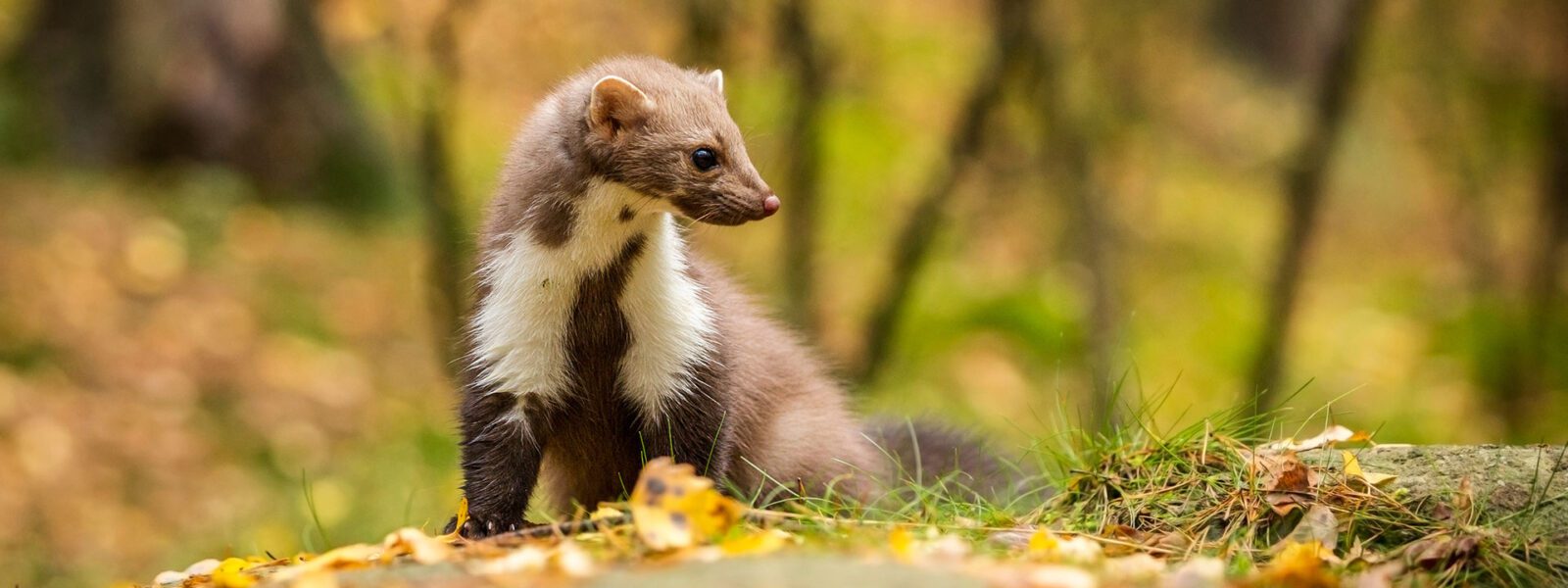
The Stone Marten is a member of the mustelid family, which includes weasels, otters, and ferrets. Known for its distinctive white throat patch, this species is often found near human settlements, making it a well-recognized figure in rural and urban areas alike.
Quick Facts:
- Scientific Name: Martes foina
- Local Name: Koghar
- IUCN Status: Least Concern
- WLPA 1972 Schedule: II
- Average Size: 40–45 cm (body length), 22–23 cm (tail length)
- Weight: 1.1–2.3 kg
Distribution and Habitat
Stone Martens inhabit a variety of landscapes across Europe, Central Asia, and the Himalayas. They prefer temperate and alpine steppes, rocky terrains, and even urban settings.
Geographical Range:
- Western and Central Himalayas: Ladakh, Jammu & Kashmir, Sikkim
- Europe: Spain, France, Germany, Eastern Europe
- Central Asia: Afghanistan, Nepal, Bhutan
Stone Martens are particularly widespread in France, where they inhabit areas with adequate cover, including buildings, trees, and dense scrub. They are also found in urban and semi-urban areas, highlighting their adaptability to environments shaped by human activity.
Preferred Habitat:
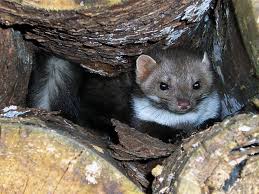
Stone Martens are incredibly adaptable, living in forests, rocky outcrops, hollow trees, and even human dwellings. They can thrive at elevations ranging from 1,500 to 4,000 meters, showcasing remarkable resilience. Their ability to exploit diverse habitats has contributed significantly to their wide distribution.
Physical Characteristics
Stone Martens have a lithe, weasel-like body with short legs and a bushy tail. Their fur varies in color, with regional differences evident. Their physical features play a vital role in their survival, enabling them to navigate narrow spaces and challenging terrains.
| Feature | Description |
|---|---|
| Fur | Liver-brown, chocolate, or tawny with a white throat patch |
| Tail | Darker than the body, providing balance during climbing |
| Size | Body length: 40–45 cm; Tail length: 22–23 cm |
Distinctive Traits:
- The white throat patch, often forked and extending down the forelegs, is a hallmark feature.
- Smaller, widely spaced ears compared to the Pine Marten.
- Short limbs and a polecat-like manner of locomotion.
Diet and Behavior
The Stone Marten is an omnivore, opportunistically adapting its diet to seasonal availability. Its diet is diverse and plays a crucial role in its ecological niche.
Dietary Preferences:
- Summer & Autumn: Berries, fruits, insects, nuts
- Winter & Spring: Small mammals, birds, eggs
- Occasionally stores food in “larders” for lean periods
Behavioral Traits:
Stone Martens are nocturnal, often venturing out multiple times at night. They exhibit agility and are skilled climbers, but they prefer terrestrial habitats compared to their cousin, the Pine Marten. Their social behavior is solitary, with individuals occupying territories that can span up to 80 hectares. They frequently mark their range using scat or other scent markings.
Stone Marten vs Pine Marten
Distinguishing between the Stone Marten and the Pine Marten can be challenging. Here are some key differences:
| Feature | Stone Marten | Pine Marten |
|---|---|---|
| Nose | Pale pink | Dark brown |
| Fur | Greyish brown with a whitish undercoat | Uniform dark brown |
| Throat Patch | White, often forked | Yellowish, tinged with red |
Habitat Differences:
- Stone Martens are more common in urban and open landscapes.
- Pine Martens prefer dense forests with minimal human interaction.
Evolution and Subspecies
The Stone Marten evolved from *Martes vetus*, a common ancestor shared with the Pine Marten. Fossil evidence suggests the species originated in the Near East or southwestern Asia during the Late Pleistocene or early Holocene. Unlike most other European mustelids, which appeared during the Middle Pleistocene, the Stone Marten underwent a unique evolutionary trajectory characterized by a decrease in size during the Würm period.
Recognized Subspecies:
- *Martes foina intermedia*: Found predominantly in the Western Himalayas.
- Various European and Central Asian subspecies, differing in size and fur coloration.

Relationship with Humans
Stone Martens are known for their interactions with humans, both beneficial and challenging. While they help control rodent populations, they are infamous for damaging car cables and nesting in roofs.
Prevention Tips:
- Scatter mothballs in affected areas.
- Seal entry points to prevent nesting.
Interesting Anecdote:
In 2016, a Stone Marten famously shut down the Large Hadron Collider by climbing onto a high-voltage transformer. Such incidents highlight the species’ curiosity and ability to adapt to human-dominated environments.
Conservation Status
The Stone Marten is classified as Least Concern by the IUCN due to its wide distribution and adaptability. However, habitat loss and urbanization pose localized threats. In the Himalayas, the species is listed under Schedule II of the Wildlife Protection Act, offering it legal protection.
Customer Testimonial
“Having Stone Martens near our property was a mixed blessing. They kept the rodent population in check but were a bit noisy at times. Simple prevention methods helped us coexist peacefully!”
– Emily Jones, Wildlife Enthusiast, United Kingdom

Frequently Asked Questions
Q1: Are Stone Martens dangerous to humans?
A: No, they are not dangerous to humans but can cause property damage.
Q2: How do I identify Stone Marten scat?
A: Their feces are long, thin, coiled, and contain remnants of fur, bones, and plant matter.
Q3: Do Stone Martens hibernate?
A: No, they remain active throughout the year.
Q4: Can Stone Martens be domesticated?
A: While some individuals have kept them as pets, they are wild animals and not ideal for domestication.
Q5: What should I do if I find a Stone Marten in my attic?
A: Use deterrents like mothballs and seal entry points to encourage them to relocate.