
- Introduction
- Species Overview
- Physical Description
- Distribution and Habitat
- Behavior and Reproduction
- Conservation Status
- Economic and Cultural Significance
- Threats and Challenges
- Conservation Efforts
- Customer Testimonials
- Frequently Asked Questions
Tibetan Antelope: A Majestic Species Under Threat
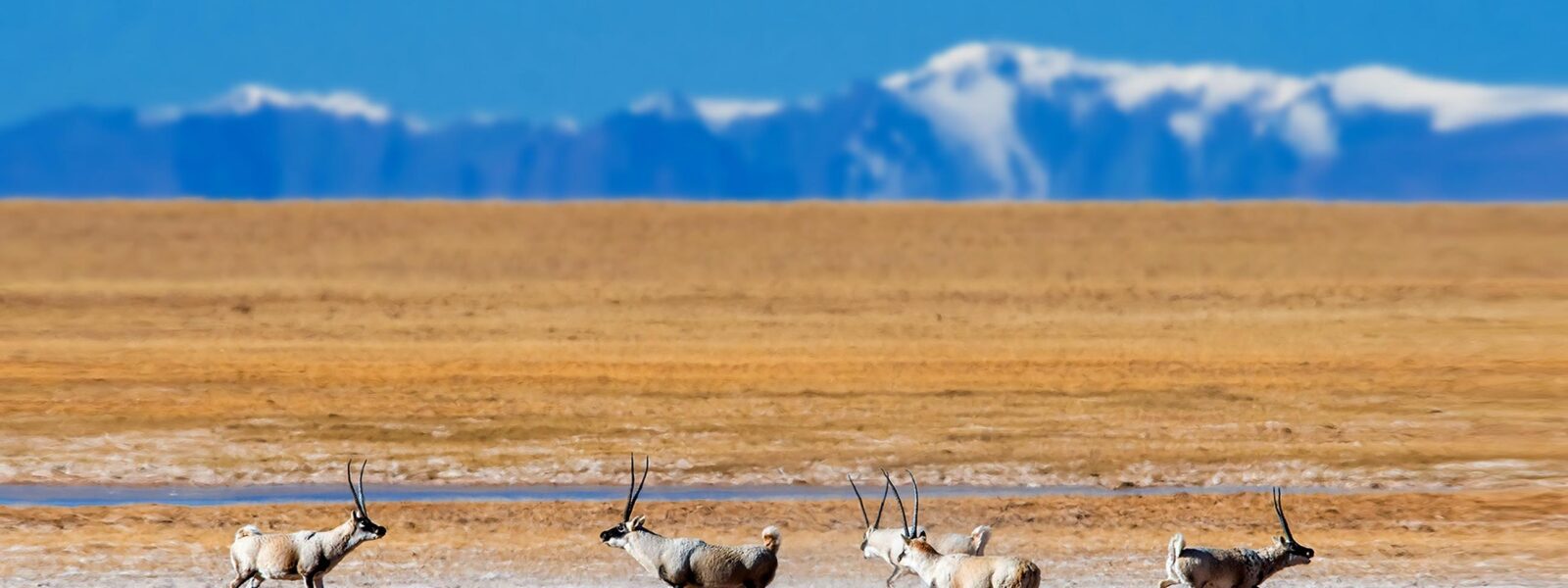
The Tibetan antelope (Pantholops hodgsonii), also known as chiru, is an iconic species native to the high-altitude Tibetan Plateau. Known for its striking appearance and unique adaptations, this antelope is a symbol of resilience in harsh environments. Despite conservation efforts, the species remains threatened due to historical poaching, habitat encroachment, and environmental changes.
Species Overview
Scientific Name: Pantholops hodgsonii
Local Names: Chiru, Chuku (male), Tsus (male), Chus (female)
IUCN Status: Near Threatened
Habitat: Alpine plateaus, cold steppes, and semi-arid deserts at altitudes between 3,200–5,500 meters.
| Characteristic | Details |
|---|---|
| Head and Body Length | 100–140 cm |
| Height at Shoulder | Males: 80–85 cm; Females: 72–76 cm |
| Horn Length (Males) | 19.2–41.2 cm |
| Weight | Males: 36–42 kg; Females: 22–28 kg |
Physical Description
Distinct Features
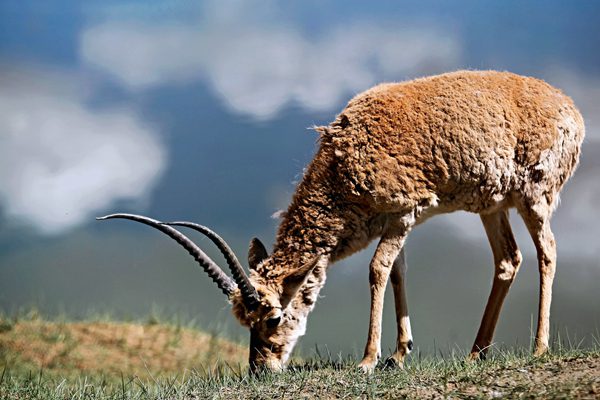
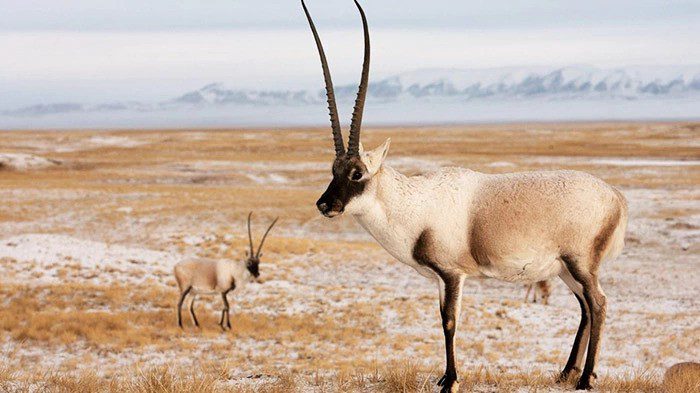
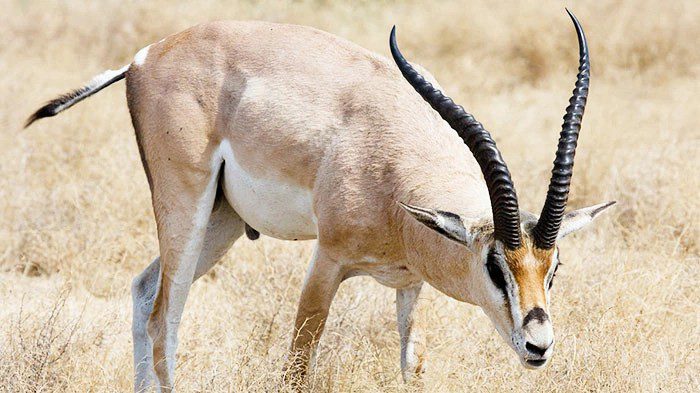
The Tibetan antelope is a medium-sized animal with sexual dimorphism, where males are larger and possess distinctive horns. Their pale fawn to reddish-brown coats change seasonally, becoming lighter and thicker during winter. Males develop black facial markings and leg stripes during the rutting season.
Horns
- Males have slender, curved horns that measure 54–60 cm in length.
- The horns have ring-like ridges and are smooth at the tips.
Coat and Fur
The fur consists of long guard hairs and an exceptionally soft undercoat, known as shahtoosh. This undercoat’s fine texture has made it highly sought after for luxury shawls, posing a significant threat to the species.
Distribution and Habitat
Endemic to the Tibetan Plateau, Tibetan antelopes inhabit harsh, high-altitude environments. They thrive in open alpine terrains and cold steppe regions with sparse vegetation. Their range primarily includes Tibet, southern Xinjiang, and western Qinghai, with small populations in Ladakh, India.
Key Locations
- Chang Tang Nature Reserve, northern Tibet
- Depsang Plains, Ladakh
- Hoh Xil National Nature Reserve, China
Adaptations to Altitude
A unique adaptation in Tibetan antelopes is the retention of fetal hemoglobin, enabling efficient oxygen transport in low-oxygen environments.
Behavior and Reproduction
Diet
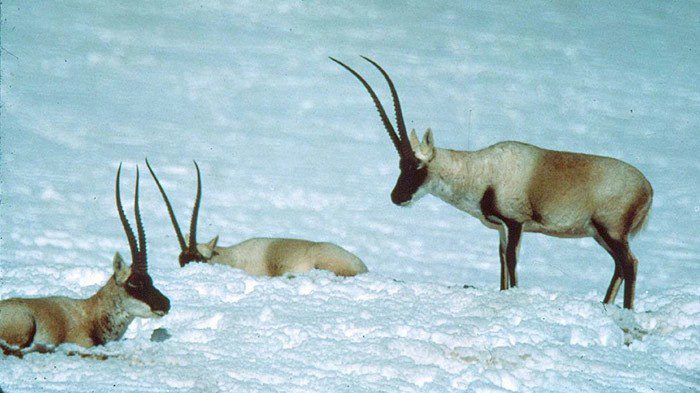
Tibetan antelopes graze on forbs, grasses, and sedges. They often dig through snow to find food during winter.
Social Structure
- Highly gregarious, forming herds of up to hundreds during migrations.
- Smaller groups of 20 or fewer individuals are more common in other seasons.
Reproductive Behavior
- Rutting season: November–December
- Gestation period: Six months
- Birth: Single calf born in June or July
Calves are precocial, standing within 15 minutes of birth, and grow rapidly, reaching maturity by their second or third year.
Conservation Status
Once classified as Endangered, the Tibetan antelope has benefited from conservation efforts, leading to its reclassification as Near Threatened. Populations have recovered from 75,000 in the 1990s to around 150,000 today. However, ongoing threats such as poaching, habitat encroachment, and infrastructure development require continued vigilance.
Economic and Cultural Significance
Shahtoosh, the antelope’s underfur, has been a coveted luxury item for centuries. Its use in crafting fine shawls has cultural roots in India, where these items were often part of dowries.
Threats and Challenges
- Illegal poaching for shahtoosh
- Competition with livestock
- Habitat fragmentation due to mining and railways
Conservation Efforts
Conservation measures include:
- Establishment of reserves like Hoh Xil
- International CITES protections
- Anti-poaching patrols and awareness campaigns
Customer Testimonials
“Learning about the Tibetan antelope’s conservation story inspired me to support wildlife charities. Their resilience is remarkable.” – Sarah Johnson, Wildlife Enthusiast, UK
“The Tibetan antelope is a symbol of hope in conservation. It was incredible to see their habitat restoration efforts during my visit to Ladakh.” – Dr. Anil Kapoor, Ecologist, India
Frequently Asked Questions
1. Why is the Tibetan antelope endangered?
Primarily due to poaching for their shahtoosh underfur and habitat loss.
2. What makes shahtoosh so valuable?
Shahtoosh is incredibly soft, warm, and fine, making it a luxury material for shawls.
3. Are there any laws protecting the Tibetan antelope?
Yes, international CITES protections and local laws prohibit hunting and trade.
4. How has conservation impacted the Tibetan antelope population?
Efforts have increased their numbers from 75,000 in the 1990s to about 150,000 today.
5. Can Tibetan antelopes survive in captivity?
They are challenging to keep in captivity due to their specialized habitat needs and behavior.